Blog

  • How to Clean Chandeliers in Dubai: Dust, Safe Sprays & No Ladder Tips

    How to Clean Chandeliers in Dubai: Dust, Safe Sprays & No Ladder Tips

    Chandeliers are symbols of elegance that elevate Dubai homes, but maintaining them is essential for safety and lasting shine. Dust, humidity, and pollutants can dull their sparkle and affect indoor air quality. This guide provides practical, safe methods to clean chandeliers, including tips for high ceilings and delicate crystals.

    1. Why Chandeliers Get So Dusty

    Dust buildup on chandeliers is a common challenge in Dubai homes. The desert climate constantly carries fine sand and dust indoors, while air conditioners and ceiling fans spread particles around. Over time, this settles on chandelier crystals and metalwork, dulling their sparkle. Regular cleaning helps maintain their shine and elegance.

    Chandelier Design

    Modern chandeliers with multiple crystals and intricate frames create nooks where dust easily collects. Even small particles can make the fixture appear dirty despite regular cleaning.

    Indoor Factors

    High ceilings, poor ventilation, and indoor airflow from AC systems contribute to faster dust accumulation. Understanding these factors helps homeowners take preventive measures to keep chandeliers cleaner and brighter.

    Infographic Idea: Top 3 Reasons Chandeliers Collect Dust

    • Desert dust & fine sand in Dubai’s air
    • Complex chandelier design with multiple crystals and crevices
    • Indoor airflow from AC, fans, and high ceilings

    2. Risks of Improper Cleaning

    Cleaning chandeliers without the right knowledge or tools can cause damage to crystals and metal frames, electrical hazards, and health issues. Even small mistakes may lead to falling pieces, scratches, or short circuits. Accumulated dust can harbor allergens and bacteria, affecting indoor air quality. Understanding these risks helps homeowners clean safely while preserving their chandelier’s beauty and functionality.

    Falling Crystals and Damage: Delicate crystals and intricate metalwork can break or loosen if handled improperly. Even gentle pressure in the wrong spot may cause permanent damage, reducing the fixture’s lifespan.

    Electrical Hazards: Cleaning a powered chandelier risks electric shocks or short circuits. Water or cleaning solutions contacting electrical parts can lead to serious accidents, so always turn off electricity first.

    Health Risks from Dust: Dust buildup on chandeliers can contain allergens, bacteria, and pollutants, worsening respiratory problems. In Dubai’s humid, dusty climate, this makes proper cleaning essential for a healthy home.

    Expert Safety Tips: Use insulated tools and gloves when handling fragile or high fixtures. Controlled cleaning methods reduce the risk of accidents and keep both the chandelier and your home safe.

    Preserving Indoor Air Quality: Regular, safe cleaning not only protects the chandelier but also improves indoor air quality, reducing dust and allergens for a healthier living environment.

    3. Can I Spray Cleaner on a Chandelier?

    Many homeowners wonder whether it’s safe to spray cleaning solutions directly onto a chandelier. The answer depends on the type of cleaner, the chandelier’s materials, and the method used. Choosing the right approach ensures both safety and a sparkling, damage-free chandelier.

    Safe Cleaning Solutions

    For Dubai homes, it’s best to use non-abrasive, alcohol-based, or ammonia-free cleaners. These solutions effectively remove dust and fingerprints without damaging delicate crystals, metal frames, or finishes. Harsh chemicals can corrode metals, dull crystal surfaces, or even discolor decorative elements over time.

    Spraying vs. Wiping

    Spraying directly has the benefit of reaching hard-to-access areas quickly, but it carries risks. If the cleaner touches electrical components, it may cause short circuits or damage the fixture. An alternative is to spray the solution onto a microfiber cloth and gently wipe each piece. This method offers more control and reduces the risk of over-saturating any part of the chandelier.

    MethodProsCons
    Direct SprayCovers large areas quicklyRisk of damaging electrical parts, over-wetting crystals
    Microfiber WipeSafer, controlled cleaningMore time-consuming

    Expert Safety Tips

    • Always turn off the electricity before cleaning.
    • Spray solutions in a controlled direction, ideally away from wiring and sockets.
    • Use ladder stabilizers or extendable poles if the chandelier is high up.

    Eco-Friendly Options

    Dubai homeowners increasingly prefer non-toxic, eco-friendly cleaners. Ingredients like vinegar diluted with water, plant-based cleaners, or gentle glass sprays can clean effectively without harmful fumes, making them safer for your family, pets, and the indoor environment.

    By choosing the right cleaner and method, you can maintain a sparkling chandelier while keeping your home safe, healthy, and environmentally friendly.

    4. How to Clean a Chandelier Without a Ladder

    Cleaning a chandelier without a ladder is not only convenient but also safer for homeowners in Dubai, especially for high ceilings or delicate fixtures. Using the right tools and techniques reduces the risk of accidents and damage to fragile crystals. With regular care, your chandelier can maintain its sparkle and elegance for years. Here are some expert-approved methods to keep your chandelier sparkling.

    clean chandeliers with dust safe sprays & no ladder

    Using Extendable Dusters

    Extendable dusters are ideal for reaching high chandeliers without climbing. Opt for dusters with soft, microfiber or feather heads to avoid scratching crystals or metal frames. Gently sweep each section to remove dust, working from the top down to prevent debris from falling onto already cleaned areas.

    Soft-Bristled Brushes for Intricate Parts

    For chandeliers with intricate designs or tightly packed crystals, a soft-bristled brush allows for precise cleaning. Use gentle, circular motions to dislodge dust and dirt from crevices. Brushes can be attached to telescopic poles for extra reach without the need for a ladder.

    Lightweight Scaffolding or Professional Pole Systems

    For larger chandeliers in grand living rooms or hotel-style ceilings, lightweight scaffolding or professional pole cleaning systems provide stability and safety. These solutions allow you to clean the fixture thoroughly without risking falls or damage.

    Safety Tips for High Ceilings and Fragile Crystals

    Cleaning chandeliers on high ceilings or with delicate crystals requires extra care. Using proper tools and techniques helps prevent accidents and damage. These tips ensure your chandelier stays sparkling and safe while you clean it.

    • Always turn off electricity before cleaning.
    • Avoid applying excessive pressure to crystals or delicate metalwork.
    • Wear gloves to prevent fingerprints and provide better grip.
    • Ensure floors beneath the chandelier are clear and protected in case small pieces fall.

    By following these methods, you can maintain your chandelier’s sparkle without a ladder, reduce cleaning risks, and ensure the fixture remains a stunning centerpiece in your home.

    5. Maintenance Tips for Longer-Lasting Shine

    Keeping your chandelier sparkling in Dubai’s dusty environment requires consistent care and smart maintenance practices. Here are expert tips to extend the life and beauty of your fixture:

    Weekly Dusting Routines: Even with thorough deep cleaning, dust can quickly accumulate on chandeliers in Dubai’s sandy, humid climate. Using a soft microfiber cloth or an extendable duster, gently wipe the crystals and metal parts weekly. Regular dusting prevents buildup and reduces the need for intensive cleaning sessions.

    Avoid Harsh Chemicals or Abrasive Materials: While it’s tempting to use strong cleaners, abrasive or chemical-heavy solutions can damage crystals and metal finishes over time. Stick to non-toxic, ammonia-free, or alcohol-based cleaners, and always apply them on a cloth rather than spraying directly onto the chandelier.

    Regular Inspection of Wires and Crystals: Frequent checks help identify loose crystals, worn wires, or corroded frames early. Tighten any loose parts carefully and replace damaged wiring immediately to maintain safety and functionality. This is especially important in Dubai, where humidity can accelerate wear and tear.

    Use Anti-Static Sprays to Reduce Dust Accumulation: Consider applying a light anti-static spray on crystal surfaces after cleaning. This creates a thin protective layer that repels dust, keeping your chandelier cleaner for longer and reducing the frequency of maintenance.

    By following these simple, consistent routines, homeowners can enjoy a sparkling chandelier, safer indoor air quality, and reduced risk of damage all while keeping their Dubai homes elegant and inviting.

    6. Professional Cleaning vs DIY

    While many chandeliers can be maintained with DIY cleaning methods, there are situations where hiring professional cleaners in Dubai is the safer and more effective choice. Large, high-ceiling chandeliers or intricate crystal designs require specialized tools and expertise to avoid damage. Professionals also ensure proper handling of electrical components, making the cleaning process safer and more efficient.

    When It’s Worth Hiring Experts

    Large, high-ceiling chandeliers, intricate crystal designs, or antique fixtures require specialized tools and expertise. Attempting to clean these yourself can risk damage to delicate components, falling crystals, or even personal injury. Professionals have the experience, equipment, and safety measures to handle these challenges efficiently.

    Costs and Services Offered in Dubai

    Professional chandelier cleaning services in Dubai vary based on size, height, and complexity of the fixture. Services typically include dust removal, polishing, inspection, and safe cleaning of electrical parts. Investing in experts ensures sparkling results, safety, and long-term protection for your chandelier.

    • Dust removal and polishing of crystals and metal frames
    • Inspection and tightening of loose components
    • Safe cleaning of electrical parts
    • Use of eco-friendly and non-toxic solutions

    Costs vary depending on chandelier size, height, and complexity, usually starting from AED 200–500 for residential fixtures. Investing in professional cleaning ensures long-term protection and brilliance, saving money on repairs or replacements in the future.

    Certification and Insurance: Why It Matters

    It’s important to hire a cleaning service that is fully certified and covered by insurance. Certification indicates expertise and training, while insurance protects your home and fixture in case of accidental damage. This EEAT-focused approach builds trust and authority, ensuring that your chandelier is cleaned safely, professionally, and reliably.

    By understanding the limits of DIY cleaning, Dubai homeowners can make informed decisions, protecting both their investment and the safety of their home.

    Conclusion

    Maintaining a chandelier ensures safety, lasting shine, and a healthier home. Using safe cleaning methods and following regular maintenance routines keeps your fixture sparkling without damage. Consistent care allows Dubai homeowners to enjoy elegance and brilliance in every room for years to come.

    FAQs

  • The Ultimate Guide to Grout Cleaning: Tips, Solutions, and Mistakes to Avoid

    The Ultimate Guide to Grout Cleaning: Tips, Solutions, and Mistakes to Avoid

    Grout is the unsung hero of tile surfaces, holding everything together and defining the look of your floors, walls, and bathrooms. But over time, grout lines can become stained, moldy, or discolored, making even the cleanest home appear dirty. In this guide, we’ll dive into the most effective grout cleaning methods, expert-recommended solutions, and common mistakes you should avoid, all backed by professional cleaning expertise.

    1. Grout Cleaning Tips for Stained Tile

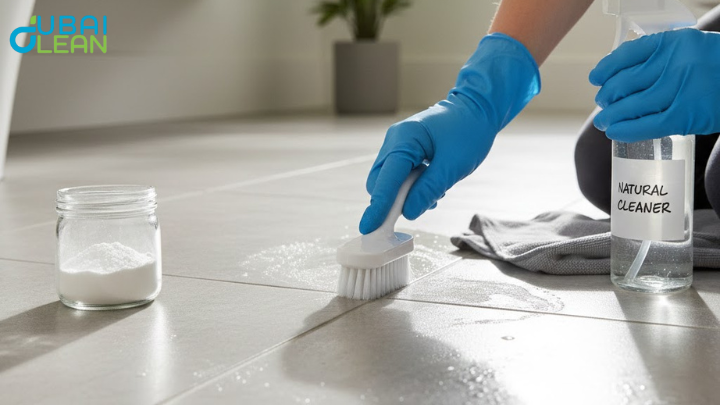
    Keeping your grout clean can dramatically improve the overall appearance of your home. One of the most effective and natural methods is using baking soda and vinegar paste. Mixing equal parts of baking soda and vinegar creates a non-toxic cleaner that gently lifts stains from grout lines without the use of harsh chemicals. This method is safe for both children and pets and is ideal for maintaining healthy living spaces.

    In addition to using the right cleaning solution, it’s important to scrub gently with a soft-bristle brush. Aggressive scrubbing or using metal brushes can erode grout lines and damage tiles over time. A gentle, consistent approach ensures that stains are removed effectively while preserving the integrity and appearance of your grout.

    Preventing stains before they set is just as important as cleaning them. Wiping up spills immediately and sealing your grout lines annually can significantly extend their life and maintain a fresh, clean look. Regular maintenance, such as a weekly cleaning routine, prevents dirt and mold from settling deep into grout lines, reducing the need for harsh chemical treatments and ensuring your tiled surfaces remain hygienic and visually appealing.

    2. Best Grout Cleaning Solutions

    Choosing the right grout cleaning solution is essential to keep your tiles looking fresh while ensuring safety for your family. Depending on the severity of stains, you can opt for natural remedies, commercial products, or professional-grade treatments. Using the correct solution prevents damage to grout lines and prolongs the life of your tiled surfaces.

    Solution TypeHow It WorksBest For
    Commercial Grout CleanerspH-neutral products that lift dirt and stainsRegular maintenance and stubborn stains
    Homemade SolutionsBaking soda, vinegar, or hydrogen peroxide pasteMild stains and eco-friendly cleaning
    Steam or Professional ChemicalsHigh-heat steam or specialized chemicals for deep cleaningTough stains, mold, or heavily soiled grout

    Pro Tip: Always test any cleaning solution on a small, hidden area of grout before full application to avoid discoloration or damage. For tough stains, let natural or commercial cleaners sit for a few minutes to work effectively. Regular sealing after cleaning helps protect grout from future stains and mold growth.

    grout cleaning solutions

    3. How to Remove Mold from Grout Lines

    Grout lines in bathrooms, kitchens, and other moisture-prone areas are highly susceptible to mold growth. Not only does it make your tiles look dirty, but it can also affect indoor air quality and health. Removing mold promptly is essential to maintain a safe and hygienic home. Using the right techniques and cleaning solutions ensures effective removal without damaging your grout or tiles.

    • Ventilate the area well to prevent mold spores from spreading.
    • Apply a mold-killing solution like hydrogen peroxide, vinegar, or a commercial grout cleaner.
    • Let the solution sit for 5–10 minutes to penetrate the mold.
    • Scrub the grout lines gently with a soft-bristle brush.
    • Rinse thoroughly with water to remove any residue.
    • Dry the area completely using a clean towel or fan to prevent new mold growth.
    • For severe or recurring mold, consider professional grout cleaning services.
    • Seal grout lines after cleaning to create a protective barrier against future mold.

    4. Grout Cleaning Mistakes to Avoid

    Even with the best intentions, grout cleaning can go wrong if mistakes are made. One of the most common errors is using harsh chemicals or abrasive tools, which can erode grout lines and damage tiles. Over-scrubbing or relying solely on DIY solutions for stubborn stains can also lead to uneven results and may worsen existing problems. Ignoring regular maintenance or delaying mold treatment allows dirt, stains, and bacteria to settle deeper, making cleaning more difficult over time.

    Another frequent mistake is: neglecting grout sealing. Without a protective seal, grout absorbs moisture and stains more easily, reducing its lifespan and making future cleaning more challenging. Additionally, using metal brushes or highly acidic cleaners can scratch tiles and compromise grout integrity. Following proper cleaning techniques, using safe solutions, and consulting professionals when needed ensures your grout remains clean, durable, and visually appealing for years.

    Conclusion

    Grout cleaning is more than just aesthetics it’s about maintaining healthy, safe, and visually appealing spaces. By following expert tips, using safe cleaning solutions, addressing mold promptly, and avoiding common mistakes, you can restore your grout and tiles to pristine condition. For best results, consider DubaiClean’s professional grout cleaning services, which offer deep cleaning, stain removal, and sealing solutions that prolong the life of your tiles while ensuring a hygienic and polished finish.

    FAQS

  • Bed Bug Bites – How to Identify Treat and Prevent Them Safely

    Bed Bug Bites – How to Identify Treat and Prevent Them Safely

    Bed bug bites are more than just itchy spots they can disturb your sleep, affect your health, and cause real stress, especially in a busy city like Dubai where shared living and travel make bed bugs spread fast. If you’re waking up with unexplained red marks, itching, or irritation, it’s important to act early. This easy-to-understand, Dubai-focused guide helps you recognize bed bug bites, treat them safely, prevent future infestations, and know when it’s best to call professional experts like DubaiClean for effective control.

    1. What Are Bed Bug Bites and Why Are They Common in Dubai?

    Bed bug bites are small skin reactions caused by nocturnal insects that feed on human blood while people sleep. These bites often appear overnight and can lead to itching, irritation, and discomfort. In a city like Dubai known for its high-rise living, constant travel, and shared residential spaces, bed bugs can spread quickly if early signs are ignored.

    What Exactly Are Bed Bug Bites?

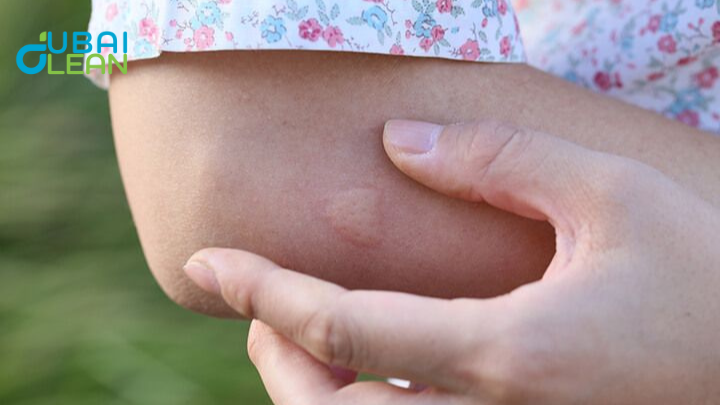
    Bed bug bites occur when bed bugs pierce the skin with their tiny mouthparts to feed on blood, usually during the night when the body is still. The bites typically appear as red, swollen marks that may form lines or clusters on exposed areas such as the arms, neck, face, and legs.

    Unlike some insect bites, bed bug bites are not always felt immediately; symptoms often show hours or even days later. For many people, the itching can be intense and persistent, and repeated bites may lead to inflammation, allergic reactions, or secondary skin infections if scratched excessively.

    Why Bed Bugs Spread Easily in Dubai Homes

    Dubai’s urban lifestyle creates ideal conditions for bed bugs to spread unnoticed. High-density apartment buildings, shared elevators, centralized air-conditioning systems, and frequent movement of furniture all increase the risk of infestation.

    Additionally, Dubai’s status as a global travel hub means residents and visitors constantly move in and out of hotels, serviced apartments, and rental homes making it easy for bed bugs to hitchhike on luggage, clothing, or second-hand furniture. Even clean, well-maintained homes are vulnerable, as bed bugs are attracted to people, not dirt.

    How Dubai’s Climate and Living Style Support Bed Bug Activity

    While bed bugs can survive in many environments, Dubai’s indoor climate plays a significant role in their year-round activity. Air-conditioned homes provide a stable, warm environment that allows bed bugs to reproduce continuously without seasonal interruption.

    Combined with modern furnishings such as upholstered beds, sofas, curtains, and carpets, this creates countless hiding spots close to human hosts. Busy lifestyles also mean early warning signs like small bites or tiny stains on bedding are often overlooked, allowing infestations to grow silently over time.

    2. Bed Bug Bites – How to Identify Them Correctly

    Correctly identifying bed bug bites is the first and most important step toward controlling an infestation. Because these bites often look similar to other insect bites or skin conditions, many Dubai residents misdiagnose the problem and delay proper treatment. Knowing the exact signs can help you act quickly and prevent bed bugs from spreading throughout your home.

    Appearance and Pattern of Bed Bug Bites

    Bed bug bites usually appear as small, red, slightly swollen bumps on the skin, often with a darker red center. One of the most distinguishing features is their pattern bed bug bites commonly show up in straight lines, zigzag rows, or tight clusters, sometimes referred to as “breakfast, lunch, and dinner” patterns.

    These marks typically develop on exposed areas of the body such as the arms, shoulders, neck, legs, and face, where bed bugs can easily access skin during sleep. In Dubai’s warm climate, where people often sleep with lighter clothing, these exposed areas become even more vulnerable, making the bite patterns easier to notice.

    Timing of Bites and Skin Reactions

    Unlike mosquito bites that are often felt immediately, bed bug bites usually appear several hours or even days after the actual bite occurs. Most people are bitten at night, as bed bugs are nocturnal and feed while the host is asleep. The skin reaction varies from person to person some experience intense itching and swelling, while others may show little to no visible reaction at all.

    This delayed response often causes confusion, leading residents to blame food allergies, dust, or heat rashes instead of bed bugs. In shared living spaces across Dubai, this delay can allow infestations to spread before the real cause is identified.

    How to Differentiate Bed Bug Bites from Other Insect Bites

    Distinguishing bed bug bites from other common insect bites is crucial for accurate diagnosis. Mosquito bites tend to be random and scattered, flea bites usually appear around the ankles and lower legs, and allergic rashes often spread unevenly across the body. Bed bug bites, on the other hand, are more organized in their appearance and frequently occur after sleeping in the same location.

    Another key indicator is repetition if you notice new bites appearing every morning in similar areas, it strongly suggests bed bug activity. Pairing bite patterns with other signs, such as blood stains on sheets or dark spots on mattress seams, can help confirm the presence of bed bugs and signal the need for professional intervention.

    Bed Bug Bites

    3. DIY Bed Bug Control – What Works and What Doesn’t

    Many people in Dubai try DIY bed bug control as a first step, hoping to solve the problem quickly and cheaply. While some home methods can help reduce bed bug activity, others are ineffective or may even make the infestation worse.

    DIY MethodDoes It Work?Reality Check
    Hot washing & drying bedding✅ Yes (partially)Kills bed bugs and eggs on fabrics, but doesn’t treat hidden areas
    Vacuuming mattresses & carpets✅ LimitedReduces numbers but won’t eliminate the infestation
    Mattress encasements✅ HelpfulTraps bed bugs inside but must be used with other treatments
    Over-the-counter sprays❌ Mostly noOften repel bed bugs deeper into hiding
    Essential oils & home remedies❌ NoNo scientific proof of complete effectiveness
    Throwing away furniture❌ RiskyCan spread bed bugs to other areas if not handled properly

    4. Professional Bed Bug Control and Bite Prevention

    Professional bed bug control is the most reliable way to eliminate infestations and stop bed bug bites from returning. In Dubai’s apartments, villas, and shared living spaces, expert treatment ensures hidden bed bugs and eggs are removed safely and effectively.

    • Thorough inspection of mattresses, furniture, walls, and hidden cracks
    • Use of Dubai Municipality–approved, family-safe treatments
    • Targeted removal of bed bugs at all life stages, including eggs
    • Reduced risk of re-infestation with proper follow-up treatments
    • Expert prevention advice tailored to your home and lifestyle

    Conclusion

    Bed bug bites should never be ignored, especially in a busy city like Dubai where infestations can spread quickly. Understanding how to identify bed bug bites, knowing the limits of DIY solutions, and choosing professional bed bug control when needed are key to protecting your home and health. With timely action and expert support, you can eliminate bed bugs safely, prevent future bites, and restore comfort and peace of mind. For lasting results and reliable protection, trusting a professional bed bug control service is always the smartest solution.

    faqs

  • Can a Dehumidifier for Wet Carpet Effectively Prevent Mold in Dubai

    Can a Dehumidifier for Wet Carpet Effectively Prevent Mold in Dubai

    Dubai’s humid climate, especially in coastal areas like Jumeirah and Marina, makes wet carpets prone to mold, which can damage property and trigger respiratory issues or allergies. While dehumidifiers help reduce moisture, their effectiveness depends on proper use, room conditions, and carpet type, and they cannot replace thorough cleaning. This article provides expert-backed insights and practical steps for Dubai homeowners to safely prevent mold and protect both their carpets and family health.

    1. Understanding Mold Growth on Carpets in Dubai

    Mold thrives in damp, warm, and poorly ventilated environments, which are common in Dubai homes. Coastal humidity, AC condensation, and occasional leaks or flooding can leave wet carpets, creating ideal conditions for mold to grow. Untreated moisture can damage carpets, cause musty odors, and affect indoor air quality. Prevent mold on wet carpets in Dubai homes is crucial for protecting both property and family health in Dubai’s humid climate.

    Why Dubai’s Climate Increases Mold Risk

    Areas like Jumeirah, Dubai Marina, and Deira experience high humidity, which prolongs carpet dampness. AC systems may cause condensation on floors, while plumbing or minor flooding adds moisture. Immediate drying and proper ventilation are key to minimizing mold growth.

    Health Risks of Carpet Mold

    Mold exposure can trigger allergies, asthma, and respiratory problems, particularly in children, the elderly, and those with weakened immunity. Quick action to remove moisture and control humidity is essential for maintaining a safe, healthy home.

    2. How Dehumidifiers Work to Protect Carpets

    Dehumidifiers reduce indoor humidity by extracting excess moisture from the air, keeping carpets and floors dry. Maintaining relative humidity around 30–50% slows mold growth, creating a healthier environment for Dubai homes where dampness is common. Using a dehumidifier promptly after spills or leaks ensures faster drying and reduces the risk of mold spreading.

    Types of Dehumidifiers for Dubai Homes

    There are two main types: desiccant and refrigerant (compressor-based). Desiccant units absorb moisture from the air and work well in cooler, less ventilated rooms. Refrigerant dehumidifiers condense water from warm air, making them ideal for large spaces, AC-heavy rooms, or coastal apartments.

    Expert Recommendations and Limitations

    HVAC studies, including research from ASHRAE, highlight that controlling humidity is one of the most effective ways to prevent mold. However, dehumidifiers cannot replace proper cleaning or immediate drying of already-wet carpets. Using a dehumidifier alongside routine cleaning and prompt moisture removal provides Dubai homeowners with a reliable, expert-backed solution for mold prevention.

    3. Factors Affecting Dehumidifier Effectiveness

    While dehumidifiers are powerful tools for controlling indoor moisture, their effectiveness depends on several key factors, particularly in Dubai’s humid climate. Carpet type, room size, and ventilation all influence how quickly and thoroughly a dehumidifier can dry a space. Additionally, prolonged exposure to moisture or high humidity levels can reduce efficiency if complementary measures are not used.

    Carpet Material and Thickness: Dense or thick carpets, such as wool or shag, retain moisture longer than thin synthetic carpets. Moisture trapped deep within fibers can slow down the dehumidification process, requiring longer operating times or supplemental drying methods.

    Room Size vs. Dehumidifier Capacity: Choosing a dehumidifier that matches the room’s size is crucial. An undersized unit may struggle to lower humidity effectively, while an oversized unit can waste energy. For Dubai homes, where living spaces can be large and open, selecting a device rated for the specific square footage ensures optimal performance.

    Duration of Exposure to Moisture: The longer carpets remain wet, the higher the risk of mold. Prompt action after spills, leaks, or AC condensation is essential. Dehumidifiers work best when used immediately after moisture exposure to prevent spores from establishing.

    Ventilation and AC System Synergy: Proper air circulation enhances dehumidifier efficiency. Using the device alongside AC systems or strategically opening vents ensures even airflow and faster drying.

    Expert Recommendation: According to HVAC specialists, maintaining indoor relative humidity between 30–50% RH is ideal for mold prevention. Combining dehumidification with cleaning and ventilation creates the most reliable defense against mold in Dubai homes.

    4. Step-by-Step Guide to Using a Dehumidifier for Wet Carpets

    Using a dehumidifier correctly can significantly reduce mold risk on wet carpets in Dubai homes. Immediate action, proper settings, and monitoring humidity levels ensure faster drying and safer indoor air. Combining dehumidifier use with routine cleaning and ventilation maximizes effectiveness, protecting both property and family health.

    Move Furniture and Carpets: Lift carpets and remove movable furniture to improve airflow underneath. Thick rugs or heavy furniture can trap moisture, slowing drying and increasing mold risk.

    Start the Dehumidifier Immediately: Set up the device right after spills, leaks, or minor flooding. Quick moisture removal is critical, especially in high-humidity areas like Jumeirah or Marina.

    Adjust Duration and Settings: Run the dehumidifier according to room size and moisture level  6–8 hours for moderate dampness or 24–48 hours for heavy water exposure. Aim for 30–50% RH as recommended by HVAC experts.

    Track Humidity: Use a hygrometer to monitor indoor moisture levels. Ensure the room reaches safe levels, especially in enclosed spaces, confirming effective moisture removal.

    Consider Professional Support: For severe water damage, consult certified Dubai-based cleaning or HVAC services. Expert intervention ensures deep drying, mold prevention, and long-term air quality.

    5. Complementary Measures for Mold Prevention

    Dehumidifiers are effective but combining them with additional steps ensures maximum protection against mold in Dubai homes. Regular dehumidifier for wet carpet cleaning, proper ventilation, and timely moisture removal reduce the risk of mold growth. Acting quickly is critical, as prolonged dampness can damage property and trigger health issues. Pairing these measures with a dehumidifier creates a comprehensive mold-prevention strategy.

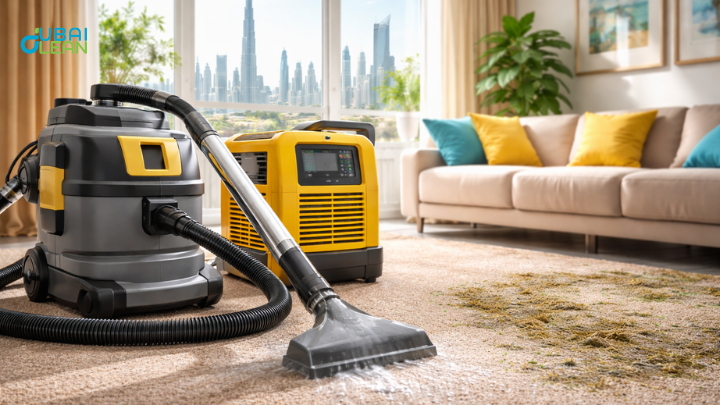
    dehumidifier for wet carpet

    Regular Cleaning and Drying

    Routine cleaning removes dirt, dust, and moisture that harbor mold spores. Carpets should be dried thoroughly using fans or lifted in well-ventilated areas to prevent prolonged dampness, especially in high-traffic spaces. Consistent cleaning habits reduce long-term mold risk and maintain healthier indoor air quality for your family.

    Efficient AC and Ventilation

    Proper use of air conditioning helps control indoor humidity. Clean vents, unblocked airflow, and occasional use of ceiling fans or open windows improve circulation and speed up carpet drying. Ensuring balanced ventilation throughout your home prevents pockets of moisture where mold could develop.

    Safe Anti-Mold Treatments

    Eco-friendly sprays or carpet-safe treatments can inhibit mold growth without health risks. These solutions are ideal for areas prone to dampness and for households with children, pets, or residents with respiratory sensitivities. Using these treatments alongside dehumidifiers provides a reliable, proactive approach to mold prevention.

    6. When a Dehumidifier is Not Enough

    Dehumidifiers are effective for preventing mold, but moisture control alone may not be sufficient in some cases. Established mold can develop quickly in Dubai’s humid climate, requiring additional intervention to protect carpets, property, and indoor air quality. Recognizing the signs early ensures timely and safe remediation.

    Signs of Mold Growth

    Look for a persistent musty odor, visible black or green patches, or discoloration along carpet edges or under furniture. These indicators show that mold has already taken hold and cannot be removed by a dehumidifier alone. If you notice these signs, it’s important to act quickly and consult certified professionals to prevent further damage and health risks.

    Health Risks of Mold Exposure

    Prolonged exposure to mold spores can trigger asthma, allergic reactions, and respiratory irritation, especially in children, the elderly, or those with weakened immunity. Ignoring these risks can compromise indoor air quality and overall health. Taking immediate action to remove moisture and address mold growth is essential for a safe and healthy home environment.

    Professional Remediation

    Certified mold inspectors or cleaning services can safely remove mold and treat affected areas. Consulting experts ensures proper prevention, protects your home and family, and provides peace of mind in Dubai’s humid environment. Professional guidance also helps identify hidden moisture sources and implement long-term strategies to prevent mold recurrence.

    Conclusion

    Dehumidifiers help prevent mold on wet carpets, but proper use, quick action, and additional measures like cleaning and ventilation are essential. Monitoring humidity and addressing spills immediately enhances protection, while professionals should handle already-affected carpets. Following these expert-backed steps helps Dubai homeowners maintain clean, dry, and mold-free carpets for a healthier home.

    FAQs

  • How AI & Robotic Marble Polishing is Revolutionizing Floors in Dubai

    How AI & Robotic Marble Polishing is Revolutionizing Floors in Dubai

    Marble floors are a hallmark of luxury and sophistication, widely featured in Dubai’s upscale homes, offices, and commercial spaces. While traditional polishing techniques remain effective, they are often time-consuming and rely heavily on manual labor, which can lead to inconsistent results. Today, AI and robotic technologies are transforming marble maintenance, providing precise, efficient, and reliable polishing for every surface. These advanced systems not only restore the marble’s natural shine but also enhance durability and reduce long-term maintenance costs.

    1. AI Marble Polishing Machines

    AI-powered marble polishing machines are revolutionizing the way floors are maintained in luxury homes and commercial spaces in Dubai. These machines use advanced algorithms and sensors to analyze the marble surface, automatically adjusting their polishing techniques to suit the stone’s texture and hardness.

    One of the key benefits of AI marble polishing machines is their ability to save significant time and labor. Unlike traditional methods, which rely heavily on manual effort and repeated passes, AI-driven machines optimize pressure, speed, and movement patterns to deliver uniform polishing in a fraction of the time.

    For example, modern AI polishers can automatically detect different types of marble and adjust their operation accordingly. Softer marble surfaces receive gentler polishing to prevent scratches, while harder stones are treated with more intensive passes to restore their natural shine. 

    2. Robotic Marble Floor Polisher

    Robotic marble polishers are transforming large-scale and professional flooring projects in Dubai by automating the polishing process. These machines provide a consistent, high-quality finish while significantly reducing manual labor. Ideal for hotels, offices, and luxury homes, they deliver uniform shine across extensive marble surfaces. Compared to traditional methods, robotic polishers save time and minimize the risk of human error, ensuring long-lasting results.

    FeatureManual PolishingRobotic Polishing
    Labor RequiredHigh – relies entirely on human effortMinimal – automated operation reduces manual work
    Consistency & FinishCan vary depending on skillUniform, precise, and flawless finish every time
    Time EfficiencySlow – time-consuming for large areasFast – covers large areas quickly and efficiently
    robotic marble floor polisher

    3. Smart Marble Polishing Techniques

    In Dubai, contemporary marble maintenance utilizes cutting-edge methods like laser cleaning, sensor-assisted polishing, and nano-sealant applications to deliver exceptional, long-lasting results. Laser cleaning removes dirt, stains, and micro-scratches without using harsh chemicals, preserving the natural beauty of the stone. Sensor-guided polishing machines adjust pressure and speed in real time, ensuring uniform results across every section of the floor.

    For property owners, choosing the right technique depends on the type and condition of the marble floor. Softer marbles benefit from gentle sensor-guided polishing and protective nano-coatings, while harder stones can handle laser cleaning for deep stain removal. Consulting with professional service providers can help determine the most suitable approach.

    4. Advanced Marble Surface Protection

    After polishing, applying protective coatings and nano-sealants is essential to maintain marble’s shine and durability. These treatments create a barrier against scratches, stains, and everyday wear, extending the life of your floors. Many modern solutions are eco-friendly and sustainable, ensuring safe use in homes, offices, and commercial spaces.

    • Provides scratch resistance for high-traffic areas.
    • Protects against stains and spills, including oil and acidic substances.
    • Enhances long-lasting shine and maintains the polished look.
    • Reduces the need for frequent maintenance or repolishing.
    • Eco-friendly options are non-toxic and safe for indoor use.
    • Increases marble floor longevity, preserving its luxury appearance.
    • Supports sustainable maintenance practices for environmentally conscious homeowners.

    5. Benefits of AI & Robotic Marble Polishing

    AI-powered and robotic marble polishing provide numerous benefits for homes, offices, and commercial spaces across Dubai, ensuring efficiency, precision, and superior floor care. These advanced systems deliver time-efficient and consistent results, ensuring every inch of the floor receives a uniform, flawless finish.

    By reducing manual labor and minimizing the risk of errors, they make large-scale polishing projects more manageable and reliable.Perfect for upscale residences, corporate offices, and commercial properties, these advanced technologies preserve the luxurious look of marble floors while enhancing durability and maintaining their natural beauty.

    6. Choosing the Right Professional Service in Dubai

    Selecting a trusted marble polishing service is crucial to ensure the longevity and elegance of your floors. At DubaiClean, our certified technicians use the latest AI and robotic polishing technologies, combined with eco-friendly sealants and protective coatings, to deliver flawless results.

    We provide customized solutions for homes, offices, and commercial spaces, ensuring that every marble surface receives the care it deserves. With years of experience, advanced equipment, and a commitment to high-quality service, DubaiClean guarantees polished floors that not only look stunning but also stand the test of time.

    CONCLUSION

    AI and robotic marble polishing are redefining floor care by Dubaiclean, combining precision, efficiency, and advanced technology to deliver flawless results. By embracing smart polishing techniques, protective coatings, and eco-friendly solutions, property owners can maintain the elegance and durability of their marble floors with minimal effort. Whether for luxury homes, offices, or commercial spaces, investing in these modern methods ensures long-lasting shine, reduced maintenance, and a high-end appearance that enhances both value and aesthetic appeal.

    FAQS

  • Why Your Sofa Smells Bad Even After Professional Cleaning in Dubai

    Why Your Sofa Smells Bad Even After Professional Cleaning in Dubai

    Many Dubai homeowners face the frustration of a sofa that smells bad even after professional cleaning. This isn’t merely a cleanliness issue, persistent odors often indicate hidden bacteria, mold, or allergens that can affect your health and indoor air quality. In Dubai’s hot, humid, and dusty environment, tackling these smells requires more than surface cleaning. This article explores the hidden causes, explains why standard cleaning sometimes fails, and shares expert-backed solutions to keep your sofa fresh, safe, and hygienic.

    1. Why Sofa Odors Persist in Dubai’s Climate

    Sofas in Dubai often smell bad after cleaning, and this is a common frustration for many homeowners despite hiring professional services. The city’s hot, humid, and dusty climate plays a major role in why odors persist. High humidity allows moisture to penetrate deep into upholstery foam, creating the perfect breeding ground for bacteria, mold, and dust mites. Even after a professional cleaning, sofa smells bad after cleaning can continue because air-conditioned homes, while cooling interiors, slow the natural drying process, leaving hidden dampness inside cushions. 

    On top of that, dust, sand, and tiny air pollution particles in Dubai settle into fabric layers, mixing with sweat, food spills, or pet hair, which intensifies odors over time. Many cleaning methods focus on surface stains, but deep-seated microbial growth and trapped moisture often remain untouched, causing your sofa to smell bad even after cleaning.

    2. Surface Cleaning vs Deep Contamination Inside the Sofa

    Many professional sofa cleanings focus only on the fabric surface, leaving the inner padding and base layers untreated. While your sofa may look clean, visual cleanliness doesn’t always mean odors are gone, because moisture, sweat, skin oils, and food residues can remain trapped deep in the cushions.

    Quick or low-moisture cleaning methods often fail to reach these hidden areas, allowing pet dander, human odors, and microbial residues like bacteria and mold to persist.

    AspectSurface CleaningDeep Contamination
    Target AreaFabric surface, visible stainsInner padding, foam, base layers
    Effect on OdorRemoves visible dirt but odors may remainHidden moisture, sweat, oils, and microbial residues cause persistent smells
    LimitationsQuick-service or low-moisture methods may miss deep layersRequires deep cleaning or specialized treatments to fully eliminate odors
    Common Missed SourcesDust, crumbs on surfaceSweat salts, skin oils, food vapors, pet dander, bacteria, mold

    What Most Professional Cleanings Actually Clean

    Many professional sofa cleaning services focus primarily on the fabric surface, removing visible dirt, dust, and minor stains. However, the inner padding and base layers often remain untouched. This is why visual cleanliness doesn’t always mean odor elimination even after cleaning, trapped moisture, oils, and residues can continue to harbor bacteria and odors.

    Hidden Odor Sources Professionals Often Miss

    Sofas accumulate a surprising amount of hidden debris over time. Sweat salts, skin oils, and food vapors seep deep into cushions, creating a persistent source of odor. Pet dander and human body odors build up gradually, especially in Dubai homes where indoor heat and humidity accelerate microbial growth. Moreover, microbial residues trapped in foam, including bacteria and mold, can remain even after surface cleaning, continuously releasing unpleasant smells.

    3. Moisture Retention – The Silent Cause of Bad Smells

    A major reason sofas continue to smell after cleaning is moisture trapped deep in cushions. Over-wetting during cleaning allows water to penetrate padding, and if extraction is poor, dampness remains hidden. In Dubai homes, limited cross-ventilation in apartments or slow airflow in air-conditioned villas further prevents proper drying.

    This trapped moisture creates the perfect environment for bacteria and mold to grow, producing persistent odors that surface cleaning alone cannot eliminate. Proper drying and ventilation are essential to fully remove these hidden smells.

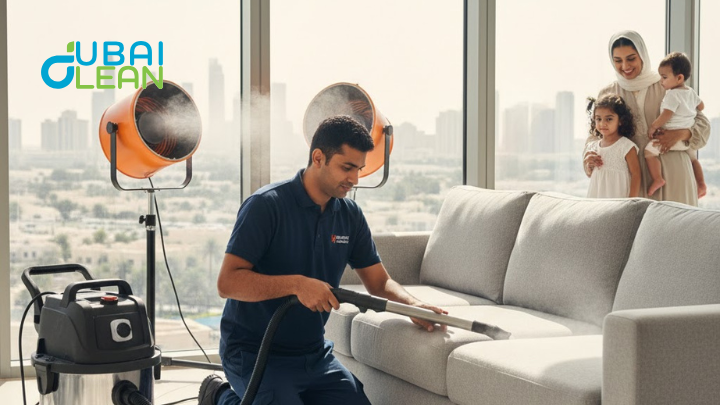
    Sofa in Dubai home smelling

    Over-Wetting During Cleaning

    One of the main reasons sofas continue to smell is over-wetting during cleaning. Excessive water can penetrate deep into cushions and padding, and if not properly extracted, it leaves hidden dampness that promotes bacteria and mold growth. Even professional cleaners sometimes struggle with this, especially when using traditional steam or wet-cleaning methods, which can worsen odor issues if moisture isn’t fully removed.

    Incomplete Drying in Apartments & Villas

    Dubai homes, whether apartments or villas, often face incomplete drying due to limited cross-ventilation. Air-conditioning, while keeping interiors cool, slows natural airflow and traps moisture in sofas. Without proper drying, slow-drying bacteria and mold multiply inside the cushions, creating persistent odors that can linger long after cleaning.

    4. Health Risks of Ignoring Persistent Sofa Odors

    Persistent sofa odors are more than just unpleasant, they can pose serious health risks. Dust, bacteria, and mold trapped deep inside cushions can trigger allergies, asthma, and respiratory discomfort, making everyday living uncomfortable, especially in Dubai’s hot and humid climate. Chemical residues from cleaning products may also cause skin irritation, adding another layer of concern for sensitive family members.

    Children, elderly residents, and pets are particularly vulnerable to these hidden hazards. Often, a bad-smelling sofa is a warning sign rather than just a minor inconvenience, signaling microbial growth and poor hygiene. Addressing these odors promptly is essential for maintaining a healthy, safe, and comfortable home environment.

    5. What Truly Effective Sofa Odor Treatment Requires

    Truly effective sofa odor treatment goes beyond surface cleaning, focusing on deep extraction of dirt, oils, and trapped moisture from cushions and foam. In Dubai’s humid climate, controlling moisture is essential to prevent mold and bacterial growth. Treatments should include anti-microbial solutions that neutralize odor-causing bacteria while remaining safe for families and pets.

    Proper drying with air movers and good ventilation ensures no dampness remains, and following post-cleaning care tips helps maintain long-lasting freshness. This combination of methods tackles the root causes of odor rather than just masking the smell.

    Deep Extraction and Controlled Moisture Levels

    Effective odor removal begins with professional deep extraction, eliminating dirt, oils, and trapped moisture from cushions and foam. Controlling moisture is crucial, especially in Dubai’s humid climate, to prevent mold and bacteria from returning. Simply cleaning the surface is never deep enough, targeted extraction is the key to lasting freshness.

    Anti-Microbial and Fabric-Safe Treatments

    The next step involves anti-microbial treatments that go beyond simply masking odors, targeting the bacteria, mold, and fungi that thrive deep inside sofa cushions. These treatments help eliminate the root cause of persistent smells, ensuring long-lasting freshness. Choosing fabric-safe solutions that are non-toxic and gentle is essential for homes with children.

    Proper Drying Protocols

    Finally, controlled drying using air movers and proper ventilation ensures that no moisture remains trapped inside cushions. Following post-cleaning care recommendations, such as occasional airing and protective covers, helps maintain freshness and prevents odors from returning.

    Conclusion

    Persistent sofa odors are more than a cosmetic problem, they are a hygiene and health concern that can affect indoor air quality and family well-being. Dubai’s hot, humid, and dusty climate makes sofas especially prone to moisture retention, bacteria, and mold growth.

    Instead of relying on repeated ineffective cleanings, homeowners should make informed, safety-focused decisions using proper extraction, anti-microbial treatments, and thorough drying. Investing in the right cleaning knowledge and techniques is a long-term strategy for maintaining a fresh, healthy, and safe home environment.

    FAQS

  • How to Clean a Balcony Without Water – Smart Dust-Free Cleaning Methods

    How to Clean a Balcony Without Water – Smart Dust-Free Cleaning Methods

    Living in Dubai means enjoying sunshine, skyline views, and outdoor balcony spaces but it also means constant dust, sand, and humidity. Traditional water washing isn’t always practical in apartments, especially when drainage is limited or water splashes onto neighbors’ balconies below. That’s where waterless balcony cleaning becomes a game-changer. In this expert guide, you’ll learn how to clean a balcony without water using smart, dust-free methods that are safe, effective, and perfectly suited for Dubai homes.

    1. Why Waterless Balcony Cleaning Is Ideal for Dubai Homes

    In Dubai’s fast-paced, high-rise lifestyle, balcony cleaning comes with unique challenges. Limited drainage, strict building regulations, and constant dust from the desert make traditional water washing impractical and risky. Waterless balcony cleaning offers a smarter, safer, and more sustainable solution helping residents maintain clean, hygienic outdoor spaces without water mess, complaints, or long-term damage.

    Dubai’s High-Rise Living Makes Water Cleaning Risky

    Most Dubai apartments are located in tall residential towers where using water on balconies can easily lead to runoff dripping onto lower floors. This not only creates inconvenience for neighbors but can also result in warnings or fines from building management.

    Waterless cleaning eliminates these risks completely by using dry tools such as vacuums, microfiber cloths, and dust-control methods that clean effectively without causing leaks, stains, or safety hazards in shared living environments.

    Desert Dust Requires Smarter, Not Wetter, Cleaning

    Dubai’s environment is dominated by fine sand and airborne dust that settles quickly on balcony floors, railings, and furniture. When water is used, this dust often turns into muddy residue that spreads instead of disappearing, making surfaces look worse over time.

    Waterless balcony cleaning is specifically suited to this climate because it removes dust at the source using suction and electrostatic tools, preventing re-circulation and keeping balconies cleaner for longer periods.

    Waterless Cleaning Supports Sustainable Living in Dubai

    Water conservation is an important focus in Dubai, and reducing unnecessary water use at home directly supports sustainability goals. Cleaning balconies without water saves significant amounts of water every year while also reducing chemical runoff and moisture-related damage such as mold or algae growth.

    By choosing waterless balcony cleaning, Dubai residents can maintain a spotless outdoor space while aligning with eco-friendly living standards and modern building practices.

    2. How to Clean Balcony Floor Without Using Water

    Balcony floors in Dubai collect dust faster than almost any other part of the home due to open exposure, wind, and sand in the air. Using water may seem like the easiest solution, but in apartments and high-rise buildings it often creates more problems than it solves. Cleaning your balcony floor without water is not only safer and cleaner but also more effective when done the right way using dry, dust-controlled methods.

    Start With Dry Sweeping to Remove Loose Dust

    The first and most important step in waterless balcony floor cleaning is dry sweeping. Dubai dust is extremely fine, so using a soft-bristle broom or a microfiber floor mop helps trap particles instead of spreading them into the air. Begin by sweeping from the far corners of the balcony toward the center, paying close attention to edges and wall joints where dust settles the most. This step prevents buildup and prepares the floor for deeper cleaning without turning dust into muddy residue.

    Use Vacuum Cleaning for Deep Dust Removal

    Vacuuming is the most effective way to clean a balcony floor without water, especially in Dubai’s dusty climate. A vacuum cleaner with a strong suction and a brush attachment can pull dust, sand, and debris from textured tiles, artificial grass, or wooden decking.

    Unlike sweeping alone, vacuuming removes fine particles that are invisible but harmful to indoor air quality. Regular vacuum cleaning keeps the balcony floor hygienic and prevents dust from blowing back into your home through doors and windows.

    Treat Stains and Marks With Dry Cleaning Solutions

    Some balcony floors develop stains from plants, furniture, or foot traffic, even without water use. These marks can be treated using dry or low-moisture cleaning solutions such as baking soda or specialized dry surface cleaners. Sprinkle the cleaner on the stained area, gently scrub with a soft brush, and allow it to sit before vacuuming the residue. This method is safe for ceramic tiles, marble, and stone floors and avoids the risk of water damage, slippery surfaces, or mold growth.

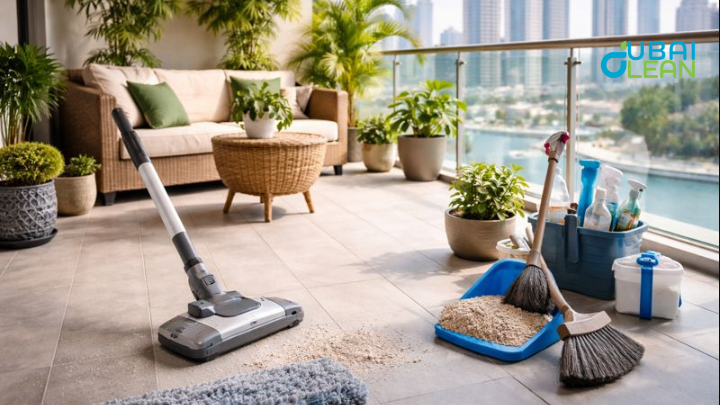
    How to Clean a Balcony Without Water

    3. DIY vs Professional Waterless Balcony Cleaning

    Deciding whether to clean your balcony yourself or hire professionals can be tricky, especially in Dubai where dust and sand accumulate quickly. Both options have advantages, but understanding their differences helps you choose the most effective, safe, and convenient solution for your home.

    FeatureDIY CleaningProfessional Cleaning
    CostLow, budget-friendlyModerate, but cost-effective long-term
    Tools NeededBroom, microfiber cloth, household vacuumIndustrial vacuum, HEPA filters, specialized dry-cleaning tools
    EffectivenessGood for light dust and surface cleaningDeep cleaning, removes fine dust, safe for all surfaces
    Time RequiredTime-consuming, especially for large balconiesFast and efficient, done by experts
    SafetyRisk of slipping or mishandling toolsFully safe, trained professionals handle heights and equipment
    Maintenance FrequencyFrequent cleaning neededLess frequent, results last longer

    4. Common Mistakes to Avoid When Cleaning a Balcony Without Water

    Cleaning a balcony without water is an effective and safe method, but many residents make small errors that reduce results or even damage surfaces. Being aware of these mistakes ensures your balcony stays spotless, dust-free, and well-maintained in Dubai’s harsh environment.

    • Using Hard Brushes: Scrubbing with stiff brushes can scratch tiles, marble, or wooden decking. Always use soft-bristle tools or microfiber cloth.
    • Skipping Vacuuming: Sweeping alone often leaves fine dust behind, which can circulate back into your home. A HEPA-filter vacuum is essential for deep cleaning.
    • Overusing Chemicals: Excessive powders or sprays can leave residue, stain surfaces, or damage outdoor furniture. Use minimal or natural cleaning agents.
    • Ignoring Corners and Edges: Dust accumulates in corners, railings, and grout lines. Missing these areas results in uneven cleaning.
    • Applying Water Accidentally: Even small amounts of water can create slippery surfaces, encourage mold, and stain walls or flooring below. Stick strictly to dry methods.
    • Neglecting Furniture and Plants: Balcony furniture, pots, and plants trap dust. Cleaning only the floor leaves the space looking unfinished and unhygienic.

    Final Thoughts

    Keeping your balcony clean in Dubai doesn’t have to involve water, mess, or long hours of scrubbing. Waterless balcony cleaning is a smart, safe, and eco-friendly solution that works perfectly in high-rise apartments and villas alike. By using the right tools, techniques, and professional expertise when needed, you can remove dust, sand, and debris effectively while protecting surfaces, furniture, and the environment. Regular dry cleaning, combined with occasional professional services, ensures your balcony remains hygienic, inviting, and ready to enjoy year-round without the hassle of water or the risk of damage.

    faqs

  • AC vs Heat Pump: Which Is More Efficient for Dubai Climate?

    AC vs Heat Pump: Which Is More Efficient for Dubai Climate?

    Dubai’s extreme summers, with temperatures exceeding 45°C and high humidity, make choosing the right cooling system essential for comfort, energy savings, and indoor air quality. Inefficient cooling can raise DEWA bills, reduce appliance lifespan, and increase health risks like allergies and respiratory issues. This article compares ACs and heat pumps in Dubai’s climate, highlighting efficiency, costs, and practical tips to help residents make a smart, health-conscious choice.

    1. Understanding ACs and Heat Pumps

    Choosing the right cooling system in Dubai is essential for comfort, energy efficiency, and cost savings. Air conditioners (ACs) and heat pumps are the most common solutions, each with unique advantages for extreme heat, humidity, and dust.

    Understanding their operation, types, and efficiency can help residents make informed decisions for both homes and offices. For reliable performance and long-lasting comfort, consider professional AC cleaning services in Dubai to optimize your system and maintain healthy indoor air quality.

    Air Conditioners (ACs)

    ACs work by removing heat from indoor air and expelling it outside, creating a cooler environment. In Dubai, common types include split ACs, window ACs, and central ACs, each suited for different spaces. High SEER-rated ACs, as recommended by DEWA, can reduce energy use and electricity bills while maintaining reliable cooling during peak summer.

    Heat Pumps

    Heat pumps provide both cooling and optional heating, using advanced inverter technology to adjust energy use based on demand. They remain energy-efficient under moderate conditions but may slightly lose efficiency in Dubai’s extreme summer heat. Following international HVAC standards (ASHRAE 90.1), proper sizing and regular maintenance optimize performance and lifespan.

    Visual Comparison

    A diagram comparing AC and heat pump airflow and heat transfer can help homeowners quickly understand operational differences. Knowing the types, functionality, and efficiency of each system empowers Dubai residents to select the right solution for comfort, energy savings, and long-term performance.

    2. Efficiency in Dubai Climate

    Dubai’s extreme summer climate, with temperatures often exceeding 45°C and high humidity, makes energy efficiency a key factor in choosing a cooling system. Understanding how air conditioners (ACs) and heat pumps perform under these conditions can save residents money, reduce electricity consumption, and improve indoor comfort.

    ACs and heat pumps both provide cooling, but their efficiency, reliability, and operating costs differ in Dubai’s harsh environment. This section explains their performance, maintenance needs, and electricity cost implications.

    AC Performance in Extreme Heat

    ACs are designed for high heat loads and can maintain stable indoor temperatures even during Dubai’s hottest summer days. Their cooling capacity ensures consistent comfort, making them highly efficient for prolonged peak summer use.

    Heat Pump Performance

    Heat pumps remain energy-efficient under moderate temperatures but may consume 10–15% more electricity than an AC during peak summer heat. The extra energy is needed to extract heat from extremely hot outdoor air, slightly reducing efficiency in Dubai’s climate.

    Maintenance and Efficiency

    Regular maintenance directly affects system performance. ACs require filter cleaning and coil inspections at least every 6 months, while heat pumps may need more frequent checks on inverter systems and refrigerant levels to sustain optimal efficiency.

    3. Pros and Cons of Each System

    Choosing the right cooling system in Dubai requires balancing performance, cost, and energy efficiency. Both air conditioners (ACs) and heat pumps have unique advantages, but knowing their limitations helps residents save on electricity bills and maintain indoor comfort. This section outlines the key pros and cons of each system and provides a quick comparison for easy decision-making.

    Air Conditioner (AC) Advantages: ACs offer high cooling capacity, making them ideal for Dubai’s extreme summer temperatures. They are widely available, easy to install, and generally have a lower upfront cost compared to heat pumps.

    Air Conditioner (AC) Disadvantages: ACs provide cooling only, with no heating option for winter or moderate months. Continuous operation in extreme heat can lead to higher electricity bills, especially during peak DEWA summer tariffs.

    Heat Pump Advantages: Heat pumps deliver both cooling in summer and optional heating in winter. Advanced

    inverter technology ensures energy-efficient operation under moderate conditions, and long-term use can result in energy savings when properly maintained.

    Heat Pump Disadvantages: Heat pumps may be slightly less efficient than high SEER ACs during Dubai’s peak summer heat. They also have higher installation costs and a more complex system setup.

    User-Friendly Comparison Table:

    FeatureAir Conditioner (AC)Heat Pump
    Cooling Performance in Extreme HeatExcellentGood
    Heating Capability
    Initial CostLowerHigher
    Energy EfficiencyModerateHigh in moderate conditions
    Maintenance6-monthly filter & coil checks6-monthly + inverter checks
    Best UsePeak summer coolingYear-round moderate cooling & heating

    For Dubai homes primarily seeking high summer cooling, a high SEER-rated AC is often the most cost-effective option. Heat pumps are best for buildings requiring both cooling and heating, or for energy-conscious residents who use moderate temperature settings year-round.

    4. Health, Comfort, and Indoor Air Quality

    In Dubai, where dust, sandstorms, and high humidity are common, maintaining healthy indoor air quality is essential for comfort and well-being. Both air conditioners (ACs) and heat pumps play a critical role in regulating indoor conditions, but their efficiency depends heavily on proper maintenance and filtration.

    ac vs heat pump efficiency (1)

    Humidity Control: High humidity makes indoor spaces hotter and can cause mold, but ACs and heat pumps regulate moisture for comfort, with heat pumps providing precise control through inverter technology.

    Air Filtration: Dust, pollen, and sand are common in Dubai and can accumulate indoors, causing allergies and respiratory issues. High-quality AC and heat pump filters trap these particles, improving air quality and protecting your family’s health.

    Dust Mitigation: Regular cleaning of ducts, coils, and vents prevents dust buildup, which can reduce system efficiency and increase electricity consumption.

    Expert Recommendation: Regular maintenance and filter cleaning can improve AC and heat pump efficiency and protect your family’s health. Scheduling professional inspections every 6–12 months ensures optimal performance and helps prevent indoor air quality issues.

    By focusing on proper maintenance, Dubai residents can enjoy healthy, comfortable, and energy-efficient cooling, while reducing risks associated with poor indoor air quality.

    5. Cost Analysis: Initial vs Long-term Savings

    Choosing between an air conditioner (AC) and a heat pump in Dubai requires careful evaluation of both upfront and long-term costs. Energy efficiency, installation expenses, and operational electricity consumption directly impact comfort and monthly bills.

    Understanding these factors helps residents make smart, cost-effective decisions while maximizing system performance. This section breaks down initial costs, operational expenses, ROI, and government incentives for Dubai homeowners.

    Initial Costs

    ACs generally have a lower purchase price than heat pumps, making them more affordable upfront. Installation for heat pumps is higher due to their dual cooling and heating setup. The table below shows approximate costs based on unit size:

    Unit SizeAC Cost (AED)
    1 Unit750
    2 Units1,000
    3 Units1,500
    4 Units2,000
    5 Units2,500
    6 Units3,000

    Operational Costs

    ACs consume slightly less electricity during Dubai’s extreme summers, whereas heat pumps may draw more power under peak heat. For example, a 3-ton AC running 10 hours daily costs around AED 450–500 per month, compared to AED 520–580 for a heat pump, based on DEWA tariffs of AED 0.23–0.30 per kWh.

    ROI & Government Incentives

    Heat pumps offer energy savings in moderate months and provide heating in winter, making them a long-term investment. Dubai’s Shams Dubai and Green Building initiatives provide rebates and programs for high SEER-rated ACs and energy-efficient heat pumps, supporting sustainable choices.

    6. Maintenance and Lifespan

    In Dubai’s harsh climate, regular maintenance is essential to ensure both air conditioners (ACs) and heat pumps perform efficiently and last longer. High temperatures, humidity, and dust can accelerate wear and reduce energy efficiency if systems are neglected.

    Frequency of Service: ACs typically require filter cleaning and coil inspection every 6 months, while heat pumps may need additional checks on inverter systems and refrigerant levels due to their dual cooling and heating functionality. Professional inspections at least once a year are recommended to detect potential issues early and maintain peak performance.

    Tips to Extend Lifespan:

    • Keep indoor units and vents clean to prevent dust accumulation.
    • Ensure outdoor condenser units are free from sand and debris.
    • Monitor refrigerant levels and system pressure regularly.
    • Avoid overworking the system during peak heat; use energy-saving modes when possible.

    Professional Recommendation: Licensed HVAC specialists in Dubai, following DEWA and Dubai Municipality standards, can provide thorough inspections and preventive maintenance to protect both your investment and indoor air quality.

    Conclusion

    Choosing the right cooling system in Dubai is essential for comfort, energy efficiency, and indoor air quality. High SEER-rated ACs provide cost-effective summer cooling, while heat pumps offer year-round versatility for homes needing both heating and cooling. Consult licensed Dubai HVAC professionals for personalized recommendations, proper installation, and maintenance to protect your investment and family’s health.

    FAQs

  • Carpentry Basics for Beginners Expert Woodworking Tips and tricks

    Carpentry Basics for Beginners Expert Woodworking Tips and tricks

    Carpentry basics are essential for anyone looking to create functional and beautiful wooden projects in their homes or businesses in Dubai. Learning carpentry for beginners not only empowers DIY enthusiasts and hobbyists but also supports small contractors in delivering quality work. With the right skills, you can ensure safety, precision, and durability in every project. Investing time in proper woodworking techniques brings long-term benefits, from cost savings to enhanced craftsmanship.

    1. What is Carpentry? Understand the Basics

    Carpentry is the skilled trade of shaping, cutting, and assembling wood to create structures, furniture, and functional home elements. From building door frames and cabinets to constructing decks and interior décor, carpentry plays a vital role in both residential and commercial projects across Dubai. Carpentry is the skilled craft of shaping and assembling wood to create furniture, structures, and functional home elements in Dubai.

    Understanding the fundamentals of carpentry provides a strong foundation for anyone looking to enhance their home, start a DIY project, or pursue a career in woodworking. While carpentry, joinery, and woodworking are often used interchangeably, they have distinct differences. Grasping the fundamentals of carpentry helps homeowners, DIY enthusiasts, and aspiring woodworkers build skills, while distinguishing it from joinery and woodworking.

    Having a solid knowledge of carpentry is crucial for safety and accuracy. Proper understanding ensures that tools are used correctly, measurements are precise, and wood is handled efficiently. Whether building furniture or repairing a home fixture, applying carpentry basics reduces errors, prevents accidents, and enhances the overall quality of the finished work. For beginners, mastering these principles lays the groundwork for confident, professional-level woodworking.

    2. Essential Tools and tips for Beginners

    Starting carpentry requires understanding both the tools and materials you’ll work with. For beginners, having the right equipment makes projects safer, faster, and more precise. Choosing the correct type of wood for Dubai’s climate is equally important for durability and finish. With proper guidance, you can select tools efficiently while avoiding common mistakes that beginners often make.

    Tool/MaterialUseTips for Beginners
    HammerDriving nails, assembling wood piecesChoose a lightweight hammer for ease and control
    Hand Saw / Circular SawCutting wood to sizeAlways measure twice before cutting and use safety gloves
    ChiselsShaping or carving woodKeep them sharp and store safely to avoid accidents
    essential tools and materials

    3. Safety guide Every Beginner Should Know

    Safety is the cornerstone of any carpentry project, especially for beginners. Using proper safety gear such as gloves, goggles, masks, and ear protection helps prevent injuries and ensures a comfortable working experience. Even simple tasks like cutting or sanding wood can lead to accidents if precautions are ignored, so investing in quality safety equipment from the start is essential.

    Equally important is maintaining your tools and workspace. Regularly inspecting tools for damage, keeping blades sharp, and storing equipment properly reduces the risk of accidents and improves project quality. For high-risk tasks such as heavy cutting or complex joinery, seeking professional guidance or supervision can make a significant difference in safety and outcomes.

    4. Step-by-Step Guide for Carpentry

    Starting your first carpentry project can feel overwhelming, but breaking it down into clear steps makes it manageable. From planning and measuring to cutting and finishing, following a structured approach ensures better results. These practical steps and tips are designed specifically for beginners to build confidence and create quality woodwork.

    • Plan Your Project: Sketch your design and list all required tools and materials.
    • Choose Quality Wood: Select wood suitable for your project and Dubai’s climate, like teak or plywood.
    • Measure Accurately: Always double-check measurements before cutting to avoid mistakes.
    • Mark Clearly: Use a pencil or chalk for visible, precise markings.
    • Cut Safely: Follow tool safety guidelines and cut slowly for accuracy.
    • Practice Simple Joints: Start with basic techniques like butt joints and lap joints.
    • Sand Smoothly: Remove rough edges for a clean, professional finish.
    • Apply Finish Carefully: Use stain, varnish, or paint evenly to protect and enhance the wood.
    • Review and Adjust: Check your work, make minor adjustments, and learn from each project.

    5. Top Woodworking Tips for Beginners

    Working with wood in Dubai comes with unique challenges due to the hot climate and humidity, so choosing quality, durable wood like teak or high-grade plywood is essential for long-lasting projects. Beginners should also focus on proper storage and maintenance of both tools and materials to prevent damage and ensure safety.

    Simple practices, such as measuring carefully, minimizing waste, and using cost-effective techniques, can save time and money. Incorporating these practical woodworking tips helps beginners create professional-looking results while working efficiently and safely.

    6. Types of Carpentry Explained

    Carpentry includes: several specialized types, each with its own purpose. Rough carpentry focuses on structural work like frameworks and supports, while finish carpentry handles doors, windows, moldings, and cabinetry to enhance both function and aesthetics.

    A modern focus: is green or sustainable carpentry, using eco-friendly materials and responsible woodworking practices. Knowing these types helps beginners choose the right path and understand the variety of opportunities in carpentry. Simple diagrams or visuals of joints, furniture designs, or frameworks can make these concepts easier to grasp.

    Conclusion

    Mastering carpentry basics is essential for creating quality, safe, and durable woodworking projects. With the guidance and expertise of DubaiClean, beginners can learn informed techniques, prioritize safety, and gain practical tips suited for Dubai’s climate and materials. Starting with small, manageable projects allows you to build confidence while honing your skills under expert advice. Start your woodworking journey today with DubaiClean and explore local carpentry workshops in Dubai to transform your ideas into beautifully crafted, professional-quality creations.

    FAQS

  • Mattress Cleaning to Prevent Skin Problems: Essential Care in Dubai

    Mattress Cleaning to Prevent Skin Problems: Essential Care in Dubai

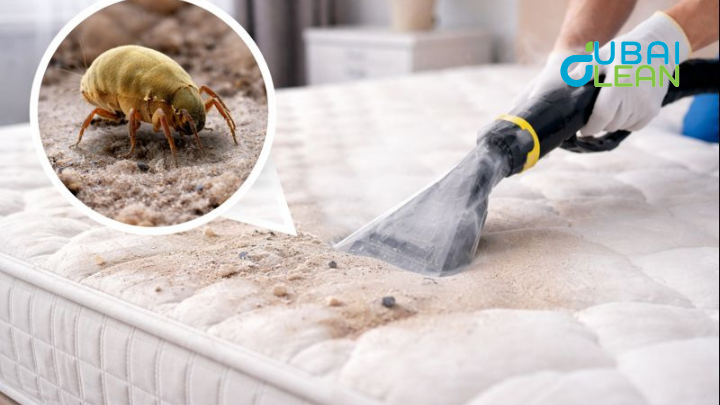
    A clean mattress is essential for healthy skin, yet many Dubai residents overlook its impact. Dust, sweat, bacteria, and dead skin cells can accumulate inside mattresses over time, creating an environment that triggers irritation, acne, or allergies. Dubai’s unique climate, high humidity, frequent dust, and constant air conditioning worsens this problem, while nighttime sweating adds moisture that encourages microbial growth. As a result, skin reactions are often misattributed to skincare products or detergents, when the real culprit may be the mattress.

    1. Why Skin Health Is Directly Affected by Mattress Hygiene

    Skin health is closely linked to mattress hygiene, making the connection between mattress cleaning and skin health essential for every Dubai home. During sleep, the skin constantly interacts with the surface of the mattress, absorbing sweat, oils, dead skin cells, and microbes.

    Over time, mattresses can become long-term reservoirs for dust mites, bacteria, and other irritants, creating conditions that may trigger itching, rashes, acne, or allergic reactions. These hidden contaminants can even interfere with the skin’s natural nighttime repair processes, slowing recovery and making the skin more sensitive to environmental factors.

    In Dubai’s climate, where high humidity, dust, and continuous air conditioning use are common, mattresses are particularly prone to moisture retention and microbial growth. Neglecting regular cleaning not only compromises comfort but also directly impacts skin wellness, highlighting why consistent mattress cleaning and skin health practices are crucial for maintaining both hygiene and overall well-being.

    2. Common Skin Problems Linked to Unclean Mattresses in Dubai Homes

    Unclean mattresses can have a direct impact on skin health, making mattress cleaning and skin health a critical concern for Dubai homes. Dust, sweat, bacteria, and dead skin cells accumulate over time, leading to irritation, itching, and contact sensitivity.

    Breakouts like acne mechanica often appear on the back, shoulders, and chest due to pressure points combined with microbial buildup. In hot and humid Dubai conditions, sweat and moisture create an ideal environment for dust mites and bacteria, which can also trigger eczema flare-ups. While skincare products offer temporary relief, regular mattress cleaning is far more effective in preventing skin problems and maintaining overall skin wellness.

    Irritation, Itching, and Contact Sensitivity

    Unclean mattresses can lead to irritation, itching, and skin sensitivity, making mattress cleaning and skin health an essential priority for Dubai homes. Dust residue, sweat salts, and friction from prolonged contact with the mattress surface can trigger redness, discomfort, and sensitivity on areas such as the arms, back, and shoulders.

    Acne Mechanica and Back/Shoulder Breakouts 

    Acne mechanics and breakouts often appear on the back, shoulders, and chest due to pressure points combined with bacterial buildup. In Dubai’s hot and humid climate, these problems are amplified as sweat and trapped moisture create the perfect environment for bacteria and dust mites to thrive.

    Eczema Flare-Ups Triggered by Environmental Irritants 

    Eczema and other sensitive skin conditions can worsen when exposed to dust mites, bacteria, and high humidity. While topical creams provide temporary relief, controlled mattress hygiene is far more effective in preventing flare-ups. Maintaining a clean mattress reduces exposure to environmental irritants, protecting skin health and supporting overall comfort, especially in Dubai homes.

    3. Dubai Climate Factors That Make Mattress Hygiene a Skin Risk

    Dubai’s climate can make mattress hygiene a real challenge for residents. Constant air conditioning traps moisture inside mattresses, while fine desert dust easily settles into fabrics, adding to potential irritants. Nighttime sweating, even during cooler months, increases dampness and encourages bacterial growth.

    Coastal areas like Marina, JBR, and Palm experience higher humidity, which can worsen moisture retention. These factors combined mean that regular mattress cleaning is essential to maintain a healthy sleep environment and reduce the risk of skin irritation.

    Mattress drying after cleaning to prevent mold

    AC and Moisture Retention: In Dubai homes, constant air conditioning can trap moisture inside mattresses, creating a damp environment that promotes bacterial and dust mite growth.

    Dust Exposure: Fine desert dust easily penetrates mattress fabrics, adding to the accumulation of irritants that can affect sensitive skin.

    Nighttime Sweat: Even during cooler months, nighttime sweating in Dubai contributes to moisture buildup, making mattresses a potential hotspot for microbes.

    Coastal Humidity: Homes in areas like Marina, JBR, and Palm experience higher humidity, which can increase mattress dampness and further impact skin health.

    4. What Lives Inside a Mattress and Why Skin Reacts

    Mattresses can harbor a variety of hidden irritants that directly affect skin health. Dust mites feed on dead skin cells, while sweat, salt residues, and bacteria from the body and bedding accumulate over time. Even tiny amounts of skin flakes provide a food source for dust mites and promote microbial growth.

    These hidden contaminants can trigger itching, rashes, breakouts, and aggravate conditions like eczema. Without regular cleaning, mattresses become a long-term reservoir for irritants, making proper hygiene essential for maintaining healthy skin.

    Dust Mites

    Dust mites are tiny microscopic organisms that feed on dead skin cells and are invisible to the naked eye, yet they are one of the most common irritants found in mattresses. In Dubai, high humidity combined with fine desert dust creates an ideal environment for these mites to thrive. Prolonged exposure can trigger itching, rashes, sneezing, and other allergic reactions, especially in children and allergy-prone adults.

    Sweat Residue and Salt Crystals

    Nighttime sweating leaves behind moisture and salt crystals that penetrate mattress fabrics. Over time, these residues can irritate sensitive skin, cause redness, and even aggravate conditions like eczema or acne. Dubai’s hot climate and frequent use of air conditioning often exacerbate sweat retention, creating damp areas that encourage bacterial and dust mite growth.

    Bacteria Transfer

    During sleep, bacteria naturally present on the skin, clothing, and bedding can transfer onto the mattress surface. Over time, these microbes accumulate, contributing to skin irritation, clogged pores, and breakouts, particularly on areas like the back, shoulders, and chest. Homes with children, pets, or shared sleeping spaces are even more susceptible, making proper mattress cleaning a crucial step for maintaining a healthy and hygienic sleep environment.

    Skin Flakes Accumulation

    As we sleep, our bodies shed thousands of skin cells each night, which accumulate inside the mattress. This buildup not only serves as a food source for dust mites but also fosters bacterial growth. Over months, this can worsen skin sensitivity, trigger allergic reactions, and aggravate pre-existing skin conditions such as eczema or dermatitis. Regular cleaning and sanitization help break this cycle, ensuring that the mattress remains a safe and hygienic surface for restful sleep.

    5. Mattress Cleaning Methods That Support Skin Health

    Maintaining mattress hygiene is essential for protecting skin health, especially in Dubai’s hot and humid climate. Steam cleaning effectively eliminates dust mites, bacteria, sweat residues, and other hidden irritants, while careful moisture control prevents mold growth.

    Low-moisture and chemical-free approaches are ideal for children, allergy-prone individuals, and those with sensitive skin, as they reduce residue buildup and minimize irritation. Regular use of these cleaning methods not only keeps mattresses hygienic but also helps prevent allergic reactions, breakouts, and skin sensitivity.

    Steam Cleaning and Heat-Based Sanitization

    Steam cleaning uses high temperatures to effectively eliminate dust mites, bacteria, sweat residues, and other hidden irritants in mattresses. Controlling moisture during the process is crucial to prevent mold growth and maintain proper drying, especially in Dubai’s humid or air-conditioned environments. Regular steam cleaning not only improves mattress hygiene but also helps reduce skin irritation, allergic reactions, and discomfort caused by microbial buildup.

    Low-Moisture and Chemical-Free Approaches

    Low-moisture or dry cleaning methods, including chemical-free treatments, are ideal for sensitive skin, children, and allergy-prone individuals. These approaches minimize residue buildup while effectively removing dust, sweat, and allergens. In Dubai homes, where high humidity can worsen moisture retention, low-moisture methods ensure mattresses remain hygienic without creating damp conditions that could encourage bacteria or dust mites.

    Conclusion

    Healthy skin starts with a clean and well-maintained sleep environment, as mattresses can harbor dust, bacteria, sweat residues, and dust mites that directly impact skin health. In Dubai, where high temperatures, humidity, desert dust, and constant air conditioning are common, proactive mattress hygiene becomes even more crucial to prevent irritation, allergic reactions, acne, and eczema flare-ups.

    FAQS