Blog

  • Types of Floor Cleaning Chemicals: Alkaline & Acidic Floor Cleaner Uses Explained

    Types of Floor Cleaning Chemicals: Alkaline & Acidic Floor Cleaner Uses Explained

    Maintaining clean floors in Dubai goes beyond simple sweeping and mopping, as dust, humidity, and heavy foot traffic quickly lead to dirt buildup and surface wear. Using the wrong floor cleaning chemicals can damage flooring, leave harmful residues, and affect indoor air quality, creating health and safety risks. This guide explains the main types of floor cleaning chemicals, such as alkaline and acidic cleaners, their proper uses, and best practices to help Dubai homeowners and professionals keep floors clean, safe, and durable.

    1. Types of Floor Cleaning Chemicals

    Types of floor cleaning chemicals are specially formulated solutions designed to remove dirt, stains, and contaminants from various flooring surfaces. These types of floor cleaning chemicals are classified based on their pH levels into alkaline, acidic, and neutral cleaners, each suited for specific surfaces and cleaning tasks.

    Choosing the right type of floor cleaning chemical is essential to maintain floor hygiene, protect surfaces from damage, and ensure safety, especially in Dubai’s dusty, high-traffic, and humid environment.

    What Are Floor Cleaning Chemicals?

    Floor cleaning chemicals are specialized solutions designed to remove dirt, stains, and contaminants from various types of flooring. They play a crucial role not only in maintaining hygiene but also in preserving the appearance and longevity of floors. In Dubai, where dust, sand, and humidity constantly affect indoor surfaces, using the right chemical ensures floors remain clean, safe, and visually appealing while reducing the risk of damage or discoloration.

    How Floor Cleaning Chemicals Are Classified

    Floor cleaning chemicals are generally classified based on their pH level, which determines their strength and suitability for different surfaces. They fall into three main categories, alkaline cleaners, which are effective against grease, oils, and organic dirt; acidic cleaners, designed to remove mineral deposits, hard water stains, and scale; and neutral cleaners, which are gentle and safe for delicate surfaces like marble, polished wood, or natural stone.

    • Alkaline cleaners – Effective at removing grease, oils, and organic residues. They are commonly used on ceramic tiles, concrete, and industrial floors.
    • Acidic cleaners – Designed to dissolve mineral deposits, hard water stains, and scale. These are often used in bathrooms, kitchens, and post-construction cleaning.
    • Neutral cleaners – Mild formulas suitable for delicate surfaces such as marble, natural stone, and polished wood, providing general cleaning without damaging finishes.

    Why Choosing the Right Floor Cleaning Chemical Matters

    Selecting the correct floor cleaning chemical is essential for both floor durability and safety. Using the wrong type can lead to surface dullness, scratches, residue buildup, or even structural damage over time. Additionally, inappropriate chemicals may affect indoor air quality, causing irritation to occupants.

    In Dubai’s climate, where floors are exposed to heavy dust and humidity, making an informed choice ensures efficient cleaning, long-lasting floors, and a healthier indoor environment.

    2. Alkaline Floor Cleaner Explained

    Alkaline floor cleaners are high-pH solutions designed to remove tough dirt, grease, oils, and organic residues from floors. They work effectively on durable surfaces such as ceramic tiles, concrete, and industrial vinyl, which are common in Dubai homes and commercial spaces.

    Using them correctly helps maintain floor hygiene and appearance, but misuse can cause surface dullness, residue buildup, or safety hazards. Proper dilution, application, and surface selection are essential to ensure effective cleaning without damaging floors.

    What Is an Alkaline Floor Cleaner?

    An alkaline floor cleaner is a basic chemical solution with a high pH level, typically ranging from 9 to 12, designed to break down tough soils and organic residues. Its chemical composition allows it to react with grease and oils, loosening them from floor surfaces without extensive scrubbing. Understanding the pH and strength of these cleaners is essential to ensure they are applied safely and effectively on the right types of floors.

    What Types of Dirt Do Alkaline Cleaners Remove?

    Alkaline cleaners are particularly effective against grease, cooking oils, food spills, and other organic contaminants. They are widely used in kitchens, restaurants, and industrial areas where these types of dirt accumulate. By neutralizing and lifting stubborn grime, alkaline cleaners restore floor hygiene and reduce the risk of sticky or slippery surfaces, which is especially important in busy Dubai homes and commercial spaces.

    Suitable Floor Surfaces for Alkaline Cleaners

    These cleaners are generally safe for durable surfaces such as ceramic tiles, concrete, and industrial-grade vinyl floors, which are common in Dubai’s residential, commercial, and industrial spaces. However, they should be used cautiously on delicate materials like marble, polished stone, or wood, as their high pH can cause surface dullness or etching if applied excessively or left on too long.

    Risks of Misusing Alkaline Floor Cleaners

    Improper use of alkaline cleaners can lead to residue buildup, streaks, and dulling of floor finishes. Over-concentration or prolonged contact with sensitive surfaces may damage the flooring material, while neglecting safety precautions, such as gloves or ventilation, can cause skin irritation or respiratory issues. Correct dilution, application, and surface selection are crucial to avoid these risks and maintain both safety and floor longevity.

    3. Acidic Floor Cleaner Uses

    Acidic floor cleaners are low-pH solutions designed to dissolve mineral deposits, hard water stains, and construction residue that build up on floors. They are ideal for areas like bathrooms, kitchens, and commercial spaces where water and scale accumulation is common.

    While highly effective, acidic cleaners require caution on delicate surfaces such as marble, natural stone, or polished tiles. Proper dilution, safe application, and surface selection are essential to ensure floors are cleaned efficiently without damage or safety risks.
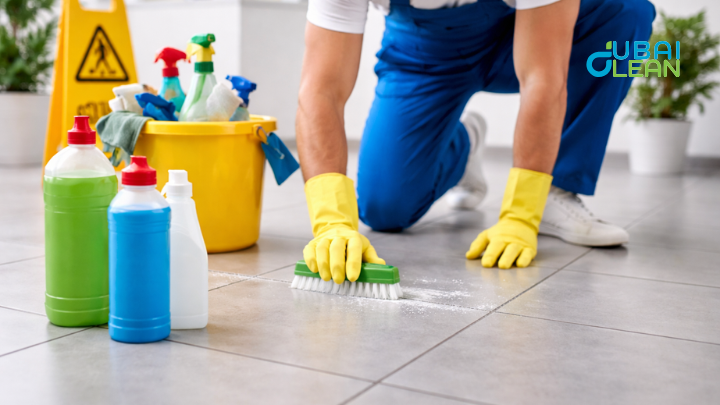
     Alkaline and acidic floor cleaners explained.

    What Makes Acidic Floor Cleaners Different?

    Acidic floor cleaners are low-pH solutions that react with minerals and deposits, making them highly effective at dissolving hard water stains, lime scale, and mineral buildup. Their chemical action is different from alkaline cleaners, targeting inorganic contaminants rather than grease or organic dirt, which makes them essential for certain cleaning tasks in bathrooms, kitchens, and commercial spaces in Dubai.

    Common Acidic Floor Cleaner Uses

    These cleaners are commonly used to remove mineral deposits, hard water stains, and post-construction residue from floors. They are ideal for surfaces exposed to water deposits or scale, such as bathroom tiles, kitchen floors, and industrial areas. By breaking down tough stains, acidic cleaners help maintain both the appearance and hygiene of the flooring.

    Floors That Require Caution With Acidic Cleaners

    Acidic cleaners can damage delicate surfaces such as marble, natural stone, polished concrete, or certain types of tile. Excessive use or high concentration can etch or dull these floors. Understanding which surfaces are sensitive ensures that acidic cleaners are applied safely, preserving the beauty and durability of expensive or fragile flooring.

    Safe Application Practices for Acidic Cleaners

    To use acidic cleaners safely, always follow proper dilution guidelines and avoid prolonged contact with floors. Wear protective gloves and ensure good ventilation to prevent skin irritation or respiratory discomfort. Applying the cleaner correctly minimizes risks and ensures that floors are effectively cleaned without damage, maintaining both safety and hygiene in Dubai’s indoor environments.

    4. Alkaline vs Acidic Floor Cleaning Chemicals

    Alkaline and acidic floor cleaners serve different cleaning purposes and are suitable for specific surfaces. Alkaline cleaners are strong against organic dirt, grease, and oils, making them ideal for kitchens, industrial, and high-traffic areas. Acidic cleaners are effective against mineral deposits, hard water stains, and scale, commonly used in bathrooms and post-construction cleaning.

    Choosing the correct cleaner based on floor type, dirt type, and Dubai’s environmental conditions ensures safe, efficient, and long-lasting cleaning.

    FeatureAlkaline CleanerAcidic Cleaner
    pH LevelHigh (9–12)Low (1–4)
    Best ForGrease, oils, organic dirtMineral deposits, hard water stains
    Suitable SurfacesTiles, concrete, industrial vinylBathroom tiles, kitchen floors, scale-prone areas
    Risk if MisusedSurface dullness, residue buildupEtching, damage to marble/natural stone
    Dubai-Specific UseHigh-traffic kitchens and industrial areasAreas affected by hard water and dust accumulation

    Key Differences Between Alkaline and Acidic Cleaners

    Alkaline and acidic floor cleaners differ mainly in cleaning function, strength, and surface compatibility. Alkaline cleaners are strong against organic dirt, grease, and oils, making them suitable for kitchens and industrial floors. Acidic cleaners target inorganic residues, such as mineral deposits and hard water stains. Understanding these differences helps prevent floor damage and ensures that the right cleaner is used for the right type of dirt.

    How Dubai’s Environment Affects Cleaner Selection

    Dubai’s dusty climate, high humidity, and hard water influence floor cleanliness and chemical effectiveness. Hard water can leave mineral deposits that require acidic cleaners, while high traffic areas accumulate grease and dirt best treated with alkaline solutions. Considering indoor conditions, surface type, and local environmental factors is crucial for efficient and safe cleaning.

    Which Floor Cleaning Chemical Should Be Used When?

    Choosing the correct floor cleaner depends on floor material and type of dirt. Alkaline cleaners are ideal for tiles, concrete, and commercial vinyl floors with organic grime, while acidic cleaners should be used on bathroom tiles, kitchen areas, and hard water-affected surfaces. Neutral cleaners are ideal for sensitive surfaces such as marble, natural stone, or polished wood. Making informed choices ensures floor longevity, cleanliness, and safety.

    5. Safety Guidelines for Using Floor Cleaning Chemicals

    Using floor cleaning chemicals safely is essential to protect both floors and indoor health. Ensure proper ventilation when cleaning, especially in enclosed Dubai apartments or offices, and always wear gloves or protective gear to avoid skin or eye irritation. Store chemicals in secure, labeled containers away from children and pets, and never mix different cleaners, as this can cause hazardous chemical reactions.

    Health and Indoor Air Safety Considerations

    Proper ventilation is essential when using floor cleaning chemicals to prevent fumes from building up indoors. In Dubai’s enclosed apartments or offices, stagnant air can increase the risk of respiratory irritation or headaches. Always open windows or use exhaust fans during and after cleaning to maintain safe indoor air quality while ensuring effective cleaning results.

    Safe Handling and Storage Practices

    Floor cleaning chemicals should be handled with care using gloves, protective clothing, or eye protection when necessary. Store all chemicals in secure, labeled containers, away from children and pets. Following proper storage and handling reduces the risk of accidental spills, injuries, or contamination, which is especially important in homes and commercial spaces in Dubai.

    Conclusion

    Understanding the types of floor cleaning chemicals is essential for maintaining floors that are both clean and durable. Selecting the right chemical for each surface not only ensures effective dirt and stain removal but also prevents damage to flooring materials and reduces health risks from chemical exposure. Following proper safety guidelines, correct dilution, and careful application allows homeowners and cleaning professionals in Dubai to achieve hygienic, polished floors without compromising safety.

    FAQS

  • Mold in AC Duct How Mold Grows, Signs & Health Risks in Dubai

    Mold in AC Duct How Mold Grows, Signs & Health Risks in Dubai

    In Dubai, AC systems run almost year-round, creating conditions where hidden mold can grow inside ducts due to humidity, dust, and condensation. This mold can circulate spores through indoor air, affecting air quality and potentially causing minor irritation. This guide raises awareness of early signs, health considerations, and practical prevention tips to help residents maintain cleaner, healthier indoor environments.

    1. How Mold Grows in AC Ducts 

    Mold grows in AC ducts when moisture, dust, and organic debris accumulate in areas with poor airflow. In Dubai, long cooling cycles and high indoor humidity create ideal conditions for spores to settle and develop inside ductwork. Understanding these factors helps residents prevent hidden mold problems. Regular inspections and timely maintenance can keep ducts clean and indoor air healthier.

    Moisture and Condensation

    Temperature differences between cold ducts and warm indoor air cause condensation, providing the moisture mold needs to thrive. Without proper ventilation or regular maintenance, this moisture can remain inside ducts for months. Using dehumidifiers, improving airflow, and scheduling regular AC inspections can significantly reduce mold growth risk.

    Dust and Organic Debris as Food Sources

    Fine sand, household dust, and dead skin cells accumulate in AC ducts, serving as a food source for mold. Closed indoor environments allow these particles to remain undisturbed, encouraging spore growth. Regular filter changes, duct cleaning, and keeping vents unobstructed help prevent dust buildup and reduce mold development over time.

    Poor Airflow and High Humidity

    Blocked vents, clogged filters, and low airflow areas create stagnant zones where mold can develop more easily. Dubai’s coastal humidity intensifies condensation, making routine duct inspection essential for maintaining healthy indoor air. Ensuring proper ventilation and scheduling professional AC maintenance helps prevent mold growth and protects family health.

    2. Signs of Mold in Air Ducts You Shouldn’t Ignore

    Identifying signs of mold in air ducts early can help protect indoor air quality and overall health. Here are the most common indicators to watch for: Paying attention to unusual odors, dust buildup, or changes in airflow can help catch problems before they worsen. Early detection allows timely action, ensuring a healthier living and working environment for everyone.

    • Persistent musty or damp smell: A noticeable odor when the AC starts or runs may indicate mold growing inside the ducts.
    • Increased dust despite regular cleaning: If dust seems to accumulate faster than usual, mold particles could be circulating in the air.
    • Visible black or green particles near vents: Small specks around vents or on grilles may be mold colonies forming in the duct system.
    • Uneven airflow or blocked vents: Mold growth can partially obstruct ducts, reducing airflow or causing temperature differences between rooms.
    • Frequent allergy-like symptoms indoors: Sneezing, itchy eyes, or respiratory irritation that occurs primarily when the AC is running may signal airborne mold spores.

    Regularly inspecting vents, filters, and airflow can help detect problems early, before they affect indoor comfort and air quality.

    3. AC Duct Mold Health Risks for Families in Dubai

    Mold in AC ducts may not always be visible, but it can release spores that circulate through indoor air, potentially affecting residents over time. Understanding these risks helps families maintain a safer home environment, especially in Dubai where AC systems run almost year-round. Regular inspections, proper filter replacement, and timely duct cleaning can reduce exposure and keep indoor air healthier for everyone.

    Respiratory Irritation and Allergies

    Airborne mold spores can irritate the respiratory tract, causing coughing, throat discomfort, sneezing, itchy eyes, or runny noses. Sensitive individuals, including children and the elderly, may be more affected. Maintaining clean AC ducts, proper ventilation, and regular filter changes can help minimize these health risks indoors.

    Worsening Asthma Symptoms

    People with asthma may experience more frequent or severe attacks when exposed to mold spores. Early detection and proper duct maintenance can reduce these risks and improve indoor comfort. Scheduling regular AC inspections, cleaning ducts thoroughly, and controlling indoor humidity are essential steps to protect sensitive individuals from mold exposure.

    Headaches, Fatigue, and Air Quality

    Poor indoor air quality from mold-contaminated ducts may contribute to headaches, fatigue, or difficulty concentrating. Regular inspections and cleaning help maintain healthier air for all occupants. Using high-quality filters, monitoring airflow, and addressing moisture promptly can further reduce mold risks and improve indoor comfort.

    This information is for awareness only and is not a medical diagnosis. Consult healthcare professionals if symptoms persist, and ensure ducts are checked by licensed HVAC technicians.

    4. Who Is Most at Risk from Mold in AC Ducts?

    While mold in AC ducts can affect anyone, certain groups are more sensitive to airborne spores. Being aware of who is most at risk helps residents take precautionary measures without panic. Children, the elderly, and people with respiratory conditions are more likely to experience irritation, so monitoring indoor air quality is essential. Regular maintenance and professional inspections can help minimize exposure and keep living spaces safe for everyone.

    • Children and infants: Developing respiratory systems make them more susceptible to irritation from airborne particles.
    • Elderly residents: Age-related changes in lung function can make older adults more vulnerable to indoor air contaminants.
    • People with asthma or allergies: Individuals with pre-existing respiratory conditions may experience stronger reactions, such as sneezing, itchy eyes, or wheezing.
    • Office workers exposed for long hours: Spending extended time in air-conditioned offices with poor duct maintenance increases the chance of repeated exposure to mold spores.

    This section is intended to raise awareness about potential risk groups, not to provide medical advice. For persistent symptoms, consulting healthcare professionals and ensuring proper AC duct maintenance are recommended.

    5. Why Mold in AC Ducts Is More Common in Dubai Homes

    Mold inside AC ducts is a frequent issue in Dubai due to the city’s hot, humid climate and building designs. Long AC usage, limited ventilation, and dust accumulation create ideal conditions for hidden mold growth, making regular maintenance essential. Being proactive with inspections and cleaning helps prevent mold from spreading and keeps indoor air safe for families and office occupants.

    mold in ac ducts

    Constant AC Usage: Most Dubai apartments, villas, and offices run air conditioning 8–10 months a year. Continuous cooling keeps ducts cold, causing condensation that supports mold growth over time.

    High Humidity and Moisture: Coastal humidity and sudden weather changes increase moisture entering AC systems. This provides the perfect environment for spores to settle and grow inside ducts.

    Sealed Buildings and Limited Ventilation: Many Dubai buildings are designed to stay closed for energy efficiency. Reduced airflow allows mold spores to recirculate indoors, increasing the risk of exposure.

    Dust and Sand Accumulation: Fine sand and dust, combined with skin cells and debris, accumulate in ducts. These particles act as food for mold, making even small amounts of moisture a potential problem.

    Regular inspections and cleaning by licensed HVAC professionals are the most effective way to prevent mold from spreading in Dubai home.

    6. How Mold Spreads from AC Ducts Into Indoor Air

    Mold in AC ducts can silently affect indoor air long before it becomes visible. Understanding how spores spread helps Dubai residents take proactive steps to protect air quality and maintain healthier indoor environments. Check your AC system regularly to catch early signs of mold. Regular duct inspections and proper AC maintenance prevent spores from circulating. Monitoring airflow and dust buildup also ensures safer, cleaner indoor air for families and offices.

    Air Circulation Spreads Spores

    When the AC runs, air moves through ducts and vents, carrying microscopic mold spores to every connected room. Even small mold colonies can release thousands of spores, which circulate continuously if left unchecked. Maintaining clean ducts, changing filters regularly, and ensuring proper airflow can greatly reduce spore circulation indoors.

    Impact on Indoor Air Quality

    Airborne spores can create musty odors and reduce overall air quality. Sensitive individuals may notice allergy-like symptoms or mild respiratory irritation when exposed to contaminated indoor air. Poor indoor air quality from mold can worsen fatigue, trigger headaches, and reduce overall comfort for all occupants.

    Why Mold Often Goes Unnoticed

    Mold typically grows in hidden corners of ducts, away from visible vents or grilles. Without regular inspections or professional maintenance, spores can spread silently throughout indoor spaces. Hidden growth allows spores to circulate daily, making early detection through inspection and maintenance crucial for safe indoor air.

    Monitoring airflow, odors, and dust buildup, along with periodic professional duct checks, is the most effective way to limit mold spread and maintain healthier indoor air in Dubai homes and offices.

    7. How to Reduce Mold in AC Ducts

    Preventing mold in AC ducts is easier when small, consistent steps are followed. Dubai’s hot and humid climate makes proactive care essential for maintaining clean indoor air. Regular monitoring, timely maintenance, and professional inspections help keep ducts mold-free and improve overall indoor comfort. Following simple, practical steps can prevent hidden mold from affecting your family or office environment.

    • Maintain proper indoor humidity levels: Keep humidity around 40–50% using dehumidifiers or AC settings to reduce moisture that supports mold growth.
    • Replace air filters regularly: Clean or replace filters every 1–3 months to trap dust, sand, and organic debris before they enter the ducts.
    • Keep vents clean and unobstructed: Ensure supply and return vents are free from dust buildup or blockages to maintain proper airflow.
    • Schedule periodic system inspections: Professional HVAC technicians can identify hidden mold, condensation issues, or duct damage before problems worsen.
    • Avoid DIY chemical spraying inside ducts: Spraying chemicals without proper expertise can damage ducts or spread spores further. Professional cleaning is safer and more effective.

    Combining these steps with regular monitoring of airflow, odors, and dust accumulation ensures that AC ducts remain mold-free and indoor air stays healthy for all family members.

    Conclusion

    Maintaining clean indoor air in Dubai starts with understanding the risks of mold in AC ducts and recognizing early warning signs. Awareness helps residents take proactive steps to protect their families and workspaces. Controlling humidity, replacing filters, keeping vents clean, and scheduling regular inspections can significantly reduce mold risks. This guidance is based on recognized HVAC best practices, offering trustworthy advice without medical diagnosis.

    FAQs 

  • Painting Walls for Small Rooms in Dubai – Colors & Space Tricks

    Painting Walls for Small Rooms in Dubai – Colors & Space Tricks

    Living in Dubai often means making the most of compact spaces: studio apartments, small bedrooms, cozy guest rooms, or maid rooms that need to feel open, calm, and premium despite limited square footage. That’s where painting walls for small rooms in Dubai becomes more than a design choice; it’s a smart space-enhancing strategy. With the right colors, professional techniques, and Dubai-specific considerations (light, heat, dust, and lifestyle), even the smallest room can feel brighter, wider, and more luxurious.

    1. Why Painting Matters More in Small Rooms

    In small rooms, paint is not just a finishing touch it’s a space-defining element. The right paint choice can visually expand walls, improve lighting, and completely change how a compact room feels. In Dubai homes, where studio apartments and smaller bedrooms are common, smart wall painting becomes one of the most cost-effective ways to enhance comfort and aesthetics without renovation.

    Paint Directly Influences How Spacious a Room Feels

    In compact spaces, the human eye reacts quickly to color and brightness. Dark or poorly chosen shades absorb light, making walls feel closer and ceilings lower. On the other hand, lighter, well-balanced colors reflect natural and artificial light, creating an illusion of depth and openness.

    This effect is especially noticeable in small rooms where even a few inches of perceived space can dramatically improve comfort. Professional painters understand how to use tone, shade, and finish to visually “push back” walls, making the room feel larger than its actual dimensions.

    Small Rooms Amplify Every Painting Mistake

    Unlike large rooms, small spaces don’t forgive errors. Uneven roller marks, poor edging, color inconsistencies, or mismatched finishes become immediately noticeable. Even minor flaws can make the room feel cluttered or poorly maintained.

    This is why proper surface preparation, smooth application, and precision cutting are critical when painting small rooms. In Dubai apartments, where lighting is often strong and direct, these imperfections stand out even more, making professional-quality painting essential rather than optional.

    Paint Sets the Mood and Function of Compact Spaces

    In small rooms, paint doesn’t just affect appearance it defines how the space is used and how it feels emotionally. Soft, neutral shades can make a bedroom feel calm and breathable, while brighter tones can energize a small home office or study area.

    In Dubai’s fast-paced lifestyle, where homes often serve multiple purposes, paint helps create visual balance and functionality without overcrowding the space. The right color choice supports relaxation, productivity, and overall well-being in areas where every detail matters.

    2. Color Psychology for Small Rooms in Dubai’s Climate

    In Dubai’s bright, sun-filled environment, color psychology plays a powerful role in how small rooms look and feel. The intense natural light, high indoor temperatures, and constant use of air conditioning all influence how paint colors behave on walls. Choosing the right shades isn’t just about style it’s about creating visual balance, comfort, and a sense of space that works with Dubai’s climate, not against it.

    Light Colors Reflect Heat and Enhance Natural Brightness

    Light-colored walls are especially effective in Dubai homes because they reflect both heat and sunlight rather than absorbing it. Shades like soft white, cream, light beige, and pale sand help small rooms stay visually cool and airy, even during peak summer months

    These colors bounce daylight across the room, reducing shadows and making tight spaces feel more open. In small bedrooms or studio apartments, light tones prevent the space from feeling boxed in while also complementing modern Dubai interiors that favor clean, minimal aesthetics.

    Cool Tones Create a Calming, Open Atmosphere

    Cool colors such as soft blues, muted greens, and light greys psychologically promote calmness and freshness an important factor in Dubai’s warm climate. In small rooms, these tones visually push walls outward, making the space feel larger and less confined.

    When paired with proper lighting and subtle décor, cool-toned walls can lower visual stress and create a relaxing environment, especially in bedrooms and home offices. This makes them an excellent choice for residents seeking comfort and mental ease after long, busy days.

    Warm Neutrals Add Comfort Without Shrinking the Space

    While dark warm colors can overwhelm small rooms, light warm neutrals work beautifully in Dubai homes. Soft cream, off-white, and gentle beige shades bring warmth and coziness without absorbing too much light. These colors are ideal for living areas and guest rooms, where a welcoming feel is essential.

    Warm neutrals also adapt well to both natural daylight and artificial lighting, maintaining consistency throughout the day. In compact spaces, they strike the perfect balance between comfort and openness something bold or heavy colors often fail to achieve.

    Painting Small Rooms in Dubai

    3. Advanced Painting Techniques That Make Rooms Look Bigger

    When space is limited, technique matters just as much as color. Advanced painting methods can visually stretch walls, lift ceilings, and create seamless flow making small rooms feel far more open than they actually are. Professional painters use these proven strategies to manipulate light and perception, especially in compact Dubai apartments and rooms with limited natural space.

    Painting TechniqueHow It WorksBest For Small RoomsPro Tip for Dubai Homes
    Same Color for Walls & CeilingRemoves visual breaks, making ceilings appear higherBedrooms, studios, low ceilingsUse light neutral shades to reflect strong sunlight
    Vertical Color FlowDraws the eye upward, creating height illusionNarrow rooms, small bedroomsKeep tones subtle to avoid visual clutter
    Light-Colored TrimsBlends edges instead of framing themCompact living spacesMatch trim color to wall color
    Soft Satin or Eggshell FinishReflects light gently without glareAll small roomsIdeal for AC-lit interiors
    Accent on Shortest WallAdds depth without closing spaceSquare or boxy roomsChoose lighter accent shades
    Minimal Contrast PaletteCreates visual continuityStudio apartmentsStick to 2–3 tones maximum

    4. Choosing the Right Paint Type for Small Rooms in Dubai

    In small rooms, the type of paint you choose can make or break the final result. Dubai’s hot climate, constant air conditioning, and dust exposure demand paints that are not only visually light but also durable and easy to maintain. The right paint type helps small spaces stay fresh, bright, and comfortable for years without frequent touch-ups.

    Low-VOC, Eco-Friendly Paints: Ideal for bedrooms and small enclosed spaces, low-VOC paints improve indoor air quality and reduce lingering odors perfect for Dubai apartments where ventilation may be limited.

    Washable Emulsion Paints: These paints are highly practical for small rooms as walls are closer and more prone to marks. Washable emulsions allow easy cleaning without damaging the finish.

    Satin or Eggshell Finish Paints: Offering a soft sheen, these finishes gently reflect light, making rooms appear larger while hiding minor wall imperfections better than high-gloss options.

    Heat-Resistant Interior Paints: Designed to withstand temperature fluctuations caused by AC use and external heat, these paints maintain color consistency and prevent early fading.

    Anti-Dust & Stain-Resistant Paints: Particularly useful in Dubai’s dusty environment, these paints reduce dirt buildup and help small rooms stay visually clean longer.

    Mold-Resistant Paints: Essential for rooms with limited airflow, such as small bedrooms or storage areas, to prevent moisture-related wall damage.

    Conclusion

    Painting small rooms in Dubai is not just about changing wall color, it’s about making smart, informed choices that enhance space, comfort, and long-term value. With the right combination of light-reflective colors, climate-appropriate paint types, and advanced application techniques, even the most compact room can feel open, modern, and inviting. Understanding how Dubai’s sunlight, heat, and indoor environments affect paint performance allows homeowners and tenants to avoid common mistakes and achieve lasting results.

    faqs

  • Remove Etch Marks and Fix Dull Marble Surfaces with Polishing

    Remove Etch Marks and Fix Dull Marble Surfaces with Polishing

    Scratched or dull marble floors not only ruin the elegance of your home or office but can also lower property value and trap dirt, causing long-term damage. Ignoring these issues may lead to costly repairs and permanent stains. Professional marble polishing for scratches restores shine, smoothness, and durability, protecting your investment. In Dubai, where luxury interiors demand flawless finishes, expert polishing ensures your marble surfaces look pristine and last for years.

    1. Understanding Marble Damage

    Marble floors are vulnerable to scratches and dullness from everyday activities like foot traffic, moving furniture, or accidental acidic spills. Even minor scratches can accumulate over time, making surfaces look worn and lifeless. Professional marble polishing for scratches can restore their smoothness and brilliance while preventing further damage.

    Not all scratches are equal; minor surface marks may fade naturally or with light polishing, but deep scratches penetrate the marble and require expert attention. Ignoring them can make floors look uneven and affect their reflective finish. Skilled services can fix dull marble surfaces effectively, maintaining both beauty and durability.

    Leaving scratches and etch marks untreated can lead to permanent damage and reduce your property’s overall value. Dirt and grime easily settle into damaged areas, creating hygiene concerns and making cleaning difficult. Regular professional polishing preserves your marble’s beauty, revives its natural shine, and keeps your floors looking flawless for years.

    2. Types of Marble Surface Issues

    Marble surfaces can develop various problems over time, each affecting the appearance and durability of your floors. Scratches, etch marks, dullness, and stains are the most common issues that compromise both aesthetics and value. Understanding the type of damage helps determine the right professional solution. Professional marble polishing effectively eliminates etch marks, revives dull surfaces, and restores scratched or stained floors to their original elegance.

    IssueCauseProfessional Solution / Keyword
    Scratches (shallow vs. deep)Foot traffic, furniture, accidental impactsMarble polishing for scratches
    Etch MarksAcidic spills like lemon juice, vinegar, or cleanersRemove etch marks from marble
    Dull SurfacesWear and tear, lack of polishingFix dull marble surfaces
    StainsSpills, improper cleaning, porous absorptionHow to polish stained marble
    removing etch marks

    3. Removing etch marks from marble

    Removing etch marks from marble: requires precision and expertise that DIY methods often cannot achieve. Professional polishing goes beyond surface cleaning, using techniques like grinding, honing, buffing, and sealing to restore the floor’s smoothness and protective layer. Unlike amateur attempts, expert services ensure your marble maintains its natural beauty while preventing further damage.

    The benefits of professional marble polishing: are immediate and long-lasting. It restores shine to fix dull marble surfaces, eliminates scratches with marble polishing for scratches, removes stubborn etch marks with remove etch marks from marble techniques, and lifts stains with how to polish stained marble solutions. This approach not only revives your floors but also protects your investment for years to come.

    4. fix dull marble surfaces by polishing

    Dull marble surfaces lose their natural shine and elegance over time, making even high-end floors look worn out. Professional polishing restores the reflective finish, revives color depth, and enhances durability. Experts use advanced chemical and mechanical methods to remove etch marks, stains, and scratches without damaging the surface. With proper polishing, your marble floors regain their original beauty and maintain long-term value.

    • Remove etch marks from marble using chemical or mechanical polishing techniques.
    • Fix dull marble surfaces to restore natural shine and reflective finish.
    • Lift deep stains effectively with professional marble polishing methods.
    • Make shallow scratches invisible using precise honing and buffing.
    • Repair deep scratches through controlled grinding and finishing.

    Over time, marble surfaces can lose their natural shine and appear worn or lifeless. Professional polishing restores the reflective finish, bringing back the floor’s original elegance and depth of color. This process not only enhances the aesthetic appeal but also strengthens the surface against future wear. With expert care, dull marble surfaces in Dubai homes and offices can look flawless and luxurious again.

    5. Maintenance Tips After Polishing

    • Use non-acidic, marble-safe cleaning agents for daily cleaning.
    • Avoid dragging furniture or heavy items across marble floors.
    • Wipe up spills immediately to prevent stains or etch marks.
    • Use soft microfiber cloths or mops to clean surfaces gently.
    • Place protective pads under furniture legs to reduce scratches.
    • Avoid abrasive scrubbers or harsh chemicals that damage polish.
    • Maintain moderate humidity and temperature to protect marble integrity.
    • Schedule periodic professional polishing for long-term care.
    • Inspect floors regularly for scratches, stains, or dull areas.

    Conclusion

    Ignoring scratches and dull surfaces on your marble floors can lead to permanent damage, reduced property value, and costly repairs over time. Professional marble polishing not only restores the original shine, removes etch marks and stains, and fixes scratches, but also protects your investment for years to come. Trust DubaiClean’s expert team in Dubai, renowned for delivering flawless, long-lasting results and earning top reviews from satisfied clients. Contact us today to bring your marble floors back to their pristine, luxurious condition.

    FAQS

  • Repainting Walls Without Furniture Removal for Modern Homes

    Repainting Walls Without Furniture Removal for Modern Homes

    Repainting walls without furniture removal is quickly becoming the go-to solution for modern Dubai homes. Whether you live in an apartment, villa, or rented space, the idea of moving heavy sofas, beds, and cabinets can feel overwhelming and expensive. The good news? You don’t have to. With professional techniques, advanced protective methods, and skilled painters, it’s now possible to refresh your walls without shifting furniture, without mess, and without stress.

    1. Why Repainting Walls Without Furniture Removal Is Popular in Dubai

    In a city like Dubai, where time, space, and convenience matter more than ever, homeowners and tenants are increasingly choosing repainting walls without furniture removal. This modern painting approach fits perfectly with Dubai’s fast-paced lifestyle, high-rise living, and contemporary interior designs. Below are the key reasons why this method has become so popular across apartments, villas, and rental properties in Dubai.

    Dubai’s Fast-Paced Lifestyle Demands Time-Saving Solutions

    Dubai residents often juggle demanding work schedules, family commitments, and social lives, leaving little time for disruptive home renovation projects. Repainting walls without furniture removal eliminates the need to pack, move, and rearrange heavy items, significantly reducing project time

    Professional painters can complete the job efficiently while homeowners continue their daily routines with minimal interruption. This convenience makes it an ideal solution for busy professionals, families, and property owners who want quick results without sacrificing quality.

    Modern Apartments and Space Constraints Make Furniture Movement Difficult

    Many Dubai apartments feature compact layouts, built-in wardrobes, modular furniture, and limited storage space. Moving large sofas, beds, or cabinets is not only inconvenient but sometimes practically impossible in high-rise buildings with narrow hallways and elevators.

    Repainting without furniture removal allows painters to work smartly within these constraints, carefully protecting furniture and maximizing available space. This approach is especially beneficial in studios, one-bedroom apartments, and fully furnished rental units common across Dubai.

    Ideal for Tenants, Rentals, and Quick Property Turnarounds

    Dubai’s rental market moves fast, and tenants are often required to repaint walls before moving out or preparing a property for new occupants. Repainting walls without furniture removal enables faster property handovers, helping tenants meet landlord requirements on time.

    Landlords and property managers also benefit from quicker turnaround between tenants, reduced labor costs, and less risk of furniture damage. This efficiency makes it a preferred choice for rental apartments, serviced residences, and short-term leasing properties throughout Dubai.

    2. Is It Safe to Repaint Walls With Furniture Inside?

    Many homeowners in Dubai wonder whether repainting walls with furniture still inside the room is truly safe. With modern painting techniques, proper protective materials, and experienced painters, this approach can be just as safe as traditional painting. Below are the key factors that ensure safety, cleanliness, and high-quality results.

    Professional Furniture Protection Prevents Damage

    Safety starts with how well the furniture is protected before painting begins. Furniture is carefully grouped and positioned to create enough working space without lifting or dragging items unnecessarily. This method prevents paint splashes, dust accumulation, and accidental scratches, ensuring your furniture remains in the same condition as before the painting work started.

    Controlled Painting Techniques Reduce Risks

    Skilled painters use careful brushwork, precision rollers, and angled brushes made for narrow or hard-to-reach areas. Instead of rushing, they work methodically around furniture, focusing on corners, edges, and wall sections with accuracy.

    This controlled approach minimizes the chances of spills, uneven coats, or accidental contact with covered furniture. In Dubai homes, where interiors often include expensive décor and finishes, this level of precision is essential for maintaining safety and quality.

    Use of Low-Odor and Fast-Drying Paints Enhances Safety

    Modern repainting projects rely on low-VOC, eco-friendly, and fast-drying paints that are safe for indoor use. These paints reduce strong odors, improve air quality, and allow rooms to be used sooner after painting is completed. This is especially important for families with children, pets, or elderly residents.

    In Dubai’s climate, fast-drying paints also help prevent dust from settling on freshly painted walls, ensuring a clean, healthy, and safe repainting process without moving furniture out of the room.

    wall repainting without moving furniture

    3. Step-by-Step Process – How Experts Repaint Walls Without Moving Furniture

    Repainting walls without moving furniture may sound complicated, but for experienced professionals, it’s a well-planned and efficient process. Expert painters follow a structured approach to ensure your furniture stays protected while your walls receive a smooth, high-quality finish. Below is a clear step-by-step breakdown of how professionals safely and efficiently repaint walls with furniture still inside the room.

    StepWhat Experts DoWhy It Matters
    Initial Inspection & PlanningPainters assess wall condition, room layout, furniture placement, and ventilation before starting.Helps identify potential challenges and ensures the safest painting strategy for the space.
    Furniture Repositioning (Within the Room)Furniture is gently shifted toward the center of the room without lifting or removing items.Creates enough space to access walls while avoiding damage from unnecessary movement.
    Full Furniture & Floor ProtectionHeavy-duty plastic sheets, fabric drop cloths, and protective tape are used to cover furniture, floors, switches, and fixtures.Prevents paint splashes, dust, and stains, keeping the room clean and safe.
    Wall Surface PreparationSmall cracks are filled, rough areas are sanded, and dust is removed from the walls.Ensures smooth paint application and long-lasting results.
    Precision Painting ApplicationProfessionals use controlled rollers and brushes to apply paint carefully around edges and corners.Delivers a neat, professional finish without risking furniture or flooring.

    4. Best Paint Types for Repainting Walls in Furnished Rooms

    Choosing the right paint is crucial when repainting walls in a furnished room. The correct paint type not only ensures a smooth, professional finish but also protects your furniture, improves indoor air quality, and allows faster room usage. In Dubai homes where ventilation, climate, and daily living matter these paint options are considered the safest and most effective for painting without furniture removal.

    Low-VOC (Volatile Organic Compounds) Paints: These paints release fewer harmful fumes, making them ideal for occupied homes. They improve indoor air quality and are safer for children, pets, and allergy-sensitive residents.

    Quick-Drying Emulsion Paints: Designed to dry faster than traditional paints, these reduce the risk of dust settling on wet walls and allow furniture covers to be removed sooner, minimizing inconvenience.

    Washable and Stain-Resistant Paints: Perfect for living rooms and bedrooms, these paints make future cleaning easier and help maintain a fresh look even in high-traffic areas.

    Low-Odor Paint Formulations: Specially formulated to minimize strong smells, these paints allow residents to stay comfortably in their homes during and after the repainting process.

    Anti-Mold and Moisture-Resistant Paints: Especially useful in Dubai’s climate, these paints prevent humidity-related issues while ensuring long-lasting wall protection in furnished spaces.

    Final Thoughts

    Repainting walls without furniture removal is a smart, modern solution that perfectly suits today’s Dubai homes. It saves time, reduces disruption, and eliminates the stress of moving heavy or delicate furniture, all while delivering professional-quality results. When handled by experienced painters using proper protection techniques and the right paint types, this method is just as safe and effective as traditional painting.

    faqs

  • Common Toilet Problems in Dubai: Causes, Leaks & Slow Flushing

    Common Toilet Problems in Dubai: Causes, Leaks & Slow Flushing

    Toilet problems are common in Dubai homes due to hard water, high-rise plumbing, and fluctuating water pressure, which can cause slow flushing, leaks, and clogs. If left untreated, these issues may lead to property damage, hygiene risks, mold growth, and higher DEWA bills. Based on professional experience in Dubai, understanding these local factors helps residents detect problems early and protect both their home and health.

    1. Common Toilet Problems Found in Dubai Apartments

    Toilets in Dubai homes and commercial spaces often face recurring issues due to a combination of local water conditions, building design, and usage habits. Whether you live in an apartment, villa, or manage a commercial washroom, being aware of common problems can help prevent damage, high water bills, and hygiene risks.

    Apartments: In Dubai’s high-rise apartments, shared plumbing systems mean that a blockage or leak in one unit can affect several others. Common issues include slow flushing, minor clogs, and water leakage from the tank or bowl, often caused by hard water deposits or worn-out seals.

    Villas: Standalone villas typically experience problems related to older pipe installations, low-quality seals, or infrequent maintenance. Residents often report toilet overflows, persistent slow flushing, and cracked tanks or bowls, especially in properties that rely on well water or desalinated municipal water.

    Commercial Washrooms: High-traffic toilets in offices, hotels, and retail outlets face rapid wear and tear, including frequent clogs, overflowing, and continuous leaks. Improper disposal of materials and lack of regular professional maintenance increase these issues.

    Impact of Building Age and Plumbing Design: Older buildings in Dubai may have narrower pipes, outdated venting systems, or corrosion from hard water, which can worsen clogging and slow flushing problems. Modern apartments sometimes face unique challenges due to complex high-rise plumbing and shared drainage stacks, making early detection and professional maintenance essential.

    By understanding these location-specific factors, Dubai residents can proactively prevent toilet issues, protect property, and maintain proper hygiene standards.

    2. Toilet Clogging Reasons in Dubai Bathrooms

    Toilet clogs are one of the most common complaints in Dubai homes and apartments, and they are part of the common toilet problems in Dubai that residents face. Understanding the root causes helps prevent costly repairs, water wastage, and hygiene risks. Here are the main reasons toilets get clogged in Dubai bathrooms:

    Hard Water Mineral Buildup

    Dubai’s desalinated water is high in minerals, especially calcium and magnesium, which over time form limescale deposits inside pipes and toilet tanks. These deposits can narrow the diameter of drain pipes, reduce water flow, and make flushing less effective. Left unchecked, even small mineral accumulations can lead to frequent clogs, forcing residents to call professional cleaners.

    Pro tip: Regular professional descaling and flushing of toilet pipes can prevent mineral-related blockages and extend the life of your bathroom fixtures.

    Excessive Tissue & Improper Waste Disposal

    In many Dubai households, the combination of cultural habits and plumbing limitations can cause blockages. While toilets are designed for human waste and toilet paper, items like wet wipes, sanitary products, cotton swabs, and excessive paper often end up in the bowl.

    These items may not cause an immediate clog but can accumulate silently, forming partial blockages that eventually lead to a full obstruction. Residents should adopt proper disposal habits and avoid flushing non-biodegradable items.

    Drain Line Design in High-Rise Buildings

    High-rise apartments in Dubai often use shared drainage stacks, meaning multiple units are connected to the same vertical pipe. While efficient for construction, this design creates backflow risks if one unit’s drain becomes clogged. A minor clog in one apartment can cause slow flushing, gurgling sounds, or overflow issues in neighboring units.

    Poor venting, combined with high water pressure fluctuations common in tall buildings, can make these clogs more frequent. Early detection and professional maintenance are critical to avoid cross-unit plumbing problems.

    3. Why Your Toilet Is Flushing Slowly

    A toilet that flushes slowly is more than just an inconvenience it can indicate underlying issues that, if ignored, may lead to clogs, leaks, and higher water bills. In Dubai homes and apartments, several factors contribute to slow flushing.

    toilet flushing slowly

    Partial Blockages You Can’t See: Even when a toilet appears to flush normally, partial blockages may be forming inside the drain pipes. Common early warning signs include:

    • Delayed bowl emptying
    • Gurgling or bubbling sounds during flushing
    • Water level rising higher than usual

    These hidden blockages often result from gradual mineral buildup, small debris, or paper accumulation. Addressing them early can prevent a complete blockage and the need for costly repairs.

    Low Water Pressure & Tank Issues: In older Dubai apartments, low water pressure is a frequent cause of slow-flushing toilets. Issues with the float valve inside the cistern can also prevent the tank from filling properly, reducing the force of the flush.

    Additionally, sediment from Dubai’s desalinated water can accumulate at the bottom of the tank or inside pipes, further slowing water flow. Regular maintenance, such as cleaning the tank and checking float mechanisms, helps ensure strong, effective flushing.

    Venting Issues in Tall Buildings: Proper airflow is essential for efficient drainage. In Dubai’s high-rise apartments, poor venting or blocked air vents can create suction problems in toilet pipes, causing the flush to slow down. Without adequate venting, water struggles to flow freely, and air pressure imbalances may lead to gurgling sounds or water backup.

    4. Water Leakage From Toilet: Hidden Risks for Dubai Homes

    Water leakage from toilets is a common but often overlooked problem in Dubai homes and apartments. Left untreated, leaks can cause property damage, health hazards, and higher DEWA water bills. Understanding the causes helps homeowners take proactive steps to protect both their home and family.

    Seal & Wax Ring Failures

    The wax ring or rubber seal beneath a toilet prevents water from leaking onto the bathroom floor. In Dubai, constant air conditioning and high indoor humidity accelerate the deterioration of these seals, causing water to slowly seep around the toilet base. Even minor leaks can damage tiles, weaken flooring, and create damp conditions that promote mold growth.

    Cracked Tanks and Hairline Bowl Leaks

    Temperature fluctuations in Dubai from scorching outdoor heat to cool, air-conditioned interiors can lead to cracks in toilet tanks and bowls. Hairline cracks often go unnoticed but allow water to escape gradually, leading to structural damage, water wastage, and costly repairs if ignored. Regular inspection of toilets by professionals can catch these issues early.

    Silent Leaks That Increase DEWA Bills

    Many leaks are “silent,” running slowly inside pipes or tanks without visible signs. In Dubai, these leaks can waste hundreds of liters of water every day, resulting in significantly higher DEWA water bills. More importantly, the constant moisture creates an ideal environment for mold and bacteria, posing health risks for residents.

    5. Toilet Overflow Causes You Should Never Ignore

    A toilet overflow is more than an inconvenience it can cause property damage, hygiene risks, and costly water bills. In Dubai, certain factors make overflows particularly common in apartments, villas, and high-traffic commercial spaces. Understanding these causes helps residents prevent emergencies and maintain safe, functional bathrooms.

    Severe Drain Blockages

    Drain blockages are the most common cause of toilet overflows. In Dubai homes, grease, wet wipes, paper towels, and mineral scale from hard water often accumulate over time. When these materials combine, they can create stubborn obstructions that prevent water from flowing freely, leading to slow draining or sudden overflows.

    Sewer Line Pressure Issues

    Older buildings and densely populated communities in Dubai can experience sewer line pressure problems. Shared stacks and limited venting may cause water to back up into toilets, especially during peak usage hours. Such issues can trigger frequent overflows, even if the toilet itself is functioning properly.

    Faulty Float Mechanisms

    Toilets rely on a float mechanism to regulate tank water levels. If the float is misaligned or worn out, the tank may overfill and spill water into the bowl without flushing. In Dubai, this issue is common in older apartments or properties that experience water pressure fluctuations. Regular inspection and maintenance can prevent costly overflows.

    6. Health, Hygiene & Safety Concerns

    Toilet issues like overflows and leaks pose serious health and safety risks in Dubai homes. Overflowing toilets can spread bacteria, while unnoticed leaks create damp conditions that promote mold growth, affecting indoor air quality. Water on bathroom floors also increases slipping hazards, especially for children and the elderly. Prompt professional intervention is essential to prevent these risks, maintain hygiene, and protect both residents and property.

    7. When to Call a Professional Toilet Cleaning Service in Dubai

    Knowing when to call a professional toilet cleaning service in Dubai is essential to prevent property damage, health risks, and rising DEWA bills. DIY fixes are often insufficient for persistent clogs, slow flushing, visible leaks, gurgling sounds, or mold growth. Professional services provide specialized tools, pipe descaling, leak detection, and tank inspections that homeowners cannot replicate, ensuring problems are fully resolved.

    Local expertise is particularly important in Dubai due to high-rise plumbing systems, hard desalinated water, and fluctuating pressure, allowing technicians to diagnose issues accurately, recommend preventive measures, and restore optimal toilet performance safely and efficiently.

    Conclusion

    In summary, toilets in Dubai homes and apartments face common issues such as clogs, slow flushing, water leaks, and overflows, which can lead to property damage, hygiene risks, and higher DEWA bills if left unaddressed. Early detection, proper maintenance, and timely professional intervention are essential to prevent these problems and ensure a safe, clean, and functional bathroom. By understanding the risks and taking proactive steps, Dubai residents can maintain high hygiene standards and protect their homes, enjoying the comfort and quality of living expected in the city.

    FAQs

  • Why Is My Oven Smoking While Preheating? Causes, Risks & Safe Fixes

    Why Is My Oven Smoking While Preheating? Causes, Risks & Safe Fixes

    If your oven starts smoking during preheating, it can be alarming and should not be ignored. In Dubai homes, this often happens due to dust buildup, leftover grease from infrequent use, or long gaps between cooking. While some smoke is harmless, persistent smoke may signal a safety or air-quality concern. The good news is that most causes are easy to fix safely once identified.

    1. Is It Normal for an Oven to Smoke During Preheating?

    Not all oven smoke is dangerous, but it’s important to know the difference to protect your home and health. Light smoke during the first few minutes can be normal, especially in new ovens or when tiny dust and food residues burn off. However, thick or persistent smoke, unusual smells, or sparks can signal a serious problem. In Dubai apartments with limited ventilation, even moderate smoke can affect indoor air quality and trigger discomfort, so caution is always advised.

    Light Smoke (Normal and Short-Term)

    A brief puff of smoke when preheating is usually harmless, caused by dust or minor food residue burning off, or factory coatings in new ovens. This smoke typically disappears quickly and does not indicate a serious issue.

    Heavy Smoke (Warning Sign)

    Thick, persistent smoke, especially with burning odors, black soot, or unusual smells, may indicate built-up grease, electrical issues, or chemical residue. This type of smoke should never be ignored as it can pose fire hazards or reduce indoor air quality.

    When It Becomes Unsafe

    Your oven is unsafe if smoke continues for several minutes, smells chemical or like burning plastic, or is accompanied by sparks or unusual noises. Immediate attention is required, particularly in Dubai apartments where poor ventilation can worsen the effects on health.

    2. Most Common Reasons Your Oven Smokes Before Cooking

    Oven smoke can have several causes, from minor residue to serious mechanical issues, and understanding them is key to keeping your kitchen safe. In Dubai homes, factors like leftover grease, infrequent use, and high dust levels often contribute to smoke during preheating. While some causes are harmless and easy to fix, others, like electrical or gas problems, require immediate attention. Regular cleaning, proper use, and professional checks can help prevent most smoke issues.

    Grease & Food Residue From Previous Use: Old spills or grease can burn during preheating, even if the oven appears clean. This is common with oily meals or takeaway reheating, especially in Dubai kitchens.

    New Oven Burn-In Smoke: New ovens may emit smoke from factory coatings or protective oils during the first few uses. This usually stops after a few sessions and is temporary.

    Cleaning Chemical Residue: Residual cleaning products can react to heat, creating smoke and fumes. Always rinse and wipe thoroughly after cleaning to avoid this.

    Incorrect Oven Rack or Foil Placement: Foil or misaligned racks can block airflow and reflect heat, causing smoke. Many residents in Dubai apartments unknowingly line ovens with foil, which leads to uneven heating.

    Electrical or Gas Component Issues (High-Risk): Smoke smelling like burning plastic or rubber may indicate wiring faults or gas issues. Stop using the oven immediately and call a certified technician.

    3. What Kind of Smoke Is Coming From Your Oven?

    Identifying the type of smoke can help you determine whether the issue is minor or serious and guide the right action. In Dubai homes, smoke may come from grease, food residue, chemical residues, or mechanical problems, and the risks vary depending on its color and smell. Knowing the difference helps protect indoor air quality, prevent fire hazards, and keep your family safe, especially in apartments with limited ventilation.

    White Smoke

    Usually caused by light grease, food residue, or leftover cleaning products, white smoke during the first few minutes of preheating is generally harmless. Persistent white smoke, however, may indicate buildup that needs cleaning.

    Grey or Black Smoke

    Grey or black smoke is often carbon buildup or burnt food residue, posing a high fire risk. Turn off the oven immediately and check for charred deposits on trays, racks, and interior surfaces.

    Smoke With a Burning Plastic Smell

    A burning plastic or rubber smell signals serious issues like faulty wiring, insulation problems, or dislodged components. Stop using the oven, ventilate the kitchen, and contact a certified technician before using it again.

    4. Is Oven Smoke Dangerous for Your Health?

    Oven smoke can do more than smell unpleasant it can affect indoor air quality and pose health risks if ignored. In Dubai apartments with limited ventilation and sealed windows, even small amounts of smoke can linger and irritate the lungs. Children, elderly residents, and asthma sufferers are particularly vulnerable, making it important to identify and address smoke promptly. Following safe practices helps protect your family and maintain a healthy home environment.

    Indoor Air Pollution Explained: Oven smoke contains fine particles and fumes that can irritate the eyes, throat, and lungs. In enclosed or air-conditioned spaces, these particles accumulate quickly, increasing exposure and potential health risks.

    Who Is Most Affected: Children, asthma sufferers, and elderly residents are most at risk from smoke exposure. Even brief exposure can trigger coughing, breathing difficulties, or respiratory discomfort.

    Dubai-Specific Risk Factors: Closed windows, limited kitchen ventilation, and high humidity in Dubai homes can make smoke linger longer, increasing its impact on indoor air quality.

    Safety Disclaimer (Non-Medical): This guidance raises awareness and promotes safe practices but does not replace professional medical advice. Seek medical attention if anyone experiences persistent respiratory issues after exposure.

    5. What To Do Immediately If Your Oven Starts Smoking

    If your oven starts smoking while preheating, taking quick, safe action can prevent damage and protect your health. In Dubai homes, where ventilation may be limited, following the right steps is especially important to reduce smoke exposure and fire risk. Understanding the common causes of oven smoke can help you act promptly and safely.

    why is my oven smoking while preheating

    Turn Off the Oven: Immediately switch off the oven to stop further smoke and reduce fire hazards. For electric ovens, unplugging can provide extra safety.

    Open Windows and Doors: Ventilate your kitchen and nearby rooms to clear smoke and fumes. Using a fan can help push smoke out in apartments with limited airflow.

    Do NOT Pour Water Inside: Never pour water onto a hot oven or electrical parts, as this can cause damage or electrical hazards.

    Do NOT Continue Preheating: Avoid restarting the oven until the smoke’s cause is identified. Continuing to heat may worsen burning residues or fire risk.

    Allow Cooling Before Inspection: Let the oven cool completely before checking trays, racks, or interior surfaces. Only inspect when safe, looking for grease, leftover food, or unusual odors.

    6. How to Prevent Your Oven From Smoking in the Future

    Preventing oven smoke is easier than dealing with it after it occurs. By following simple habits like regular cleaning, proper preheating, and scheduled professional maintenance, you can keep your Dubai kitchen safe, maintain indoor air quality, and extend your oven’s lifespan. These precautions are especially important in apartments with limited ventilation or high humidity.

    Smart Cleaning Habits

    Wipe spills and crumbs after each use to prevent grease buildup and smoke.Steer clear of strong chemical cleaners, as they may leave behind harmful residues. Focus on cleaning drip trays, corners, and oven bottoms. Regular light cleaning keeps your oven safe and smoke-free.

    Proper Preheating Practices

    Always preheat an empty oven to avoid burning leftover food. Remove foil or liners that block airflow and create hotspots. Use the correct temperature settings to prevent residue ignition. These steps reduce smoke and maintain oven efficiency.

    Regular Professional Maintenance

    Certified technicians can safely inspect wiring, gas lines, and oven components. Gas ovens in Dubai need special attention to prevent leaks or ignition issues. Annual servicing prevents buildup, identifies wear early, and ensures safe, long-lasting operation.

    7. Why Is My Oven Smoking and Smells Like Burning Plastic?

    If your oven is smoking and smells like burning plastic, it’s a serious safety concern that requires immediate attention. This usually indicates faulty wiring, insulation issues, or overheating components. In Dubai apartments, poor ventilation can make the fumes more dangerous. To stay safe, follow these steps:

    • Turn off the oven immediately
    • Open windows and ventilate the kitchen
    • Contact a certified technician before using the oven again

    8. When Should You Call a Professional Oven Cleaning or Repair Service?

    Oven smoke can sometimes indicate serious issues that require expert attention to protect your home, health, and appliance. If smoke keeps returning, there’s a persistent burning smell, the oven trips power, or you detect a gas odor, it’s time to call a professional. Always hire licensed and certified technicians in Dubai to ensure safety and proper repair. Regular inspections can prevent problems and keep your kitchen smoke-free.

    Conclusion

    Oven smoke should never be ignored, as it can affect both indoor air quality and safety, but regular cleaning, proper preheating, and professional inspections can keep your oven smoke-free, protecting your family, preventing potential fire hazards, and ensuring a safe cooking environment in Dubai homes. Prevent oven smoke with cleaning, preheating, and professional checks.

    FAQs

  • Electrical Services and Electricians in Dubai Ensuring Safety and Reliability

    Electrical Services and Electricians in Dubai Ensuring Safety and Reliability

    Ensuring safe and reliable electrical systems is crucial for every home and office in Dubai, where modern lifestyles depend heavily on uninterrupted power. Frequent issues like short circuits, faulty wiring, and sudden power outages can disrupt daily life and cause serious hazards. Hiring unqualified electricians not only risks property damage but also endangers your safety and that of your family or employees. Trusting licensed, experienced professionals ensures peace of mind, compliance with Dubai regulations, and long-term reliability of your electrical systems.

    1. Grasping Electrical Maintenance in Dubai

    Electrical maintenance refers to the routine inspection, testing, and repair of electrical systems to ensure they operate safely and efficiently. In Dubai, where homes and offices rely heavily on electricity, proper maintenance helps prevent hazards such as short circuits, power surges, and fire risks. Regular maintenance not only safeguards property and lives but also extends the lifespan of electrical equipment, saving both time and money in the long run.

    Electrical maintenance includes preventive checks to spot issues early, minimizing breakdowns and repair costs, while corrective maintenance fixes detected faults. Emergency maintenance handles sudden problems like power outages, ensuring safety, compliance, and uninterrupted operations in Dubai homes and offices.

    2.  Choose the Right Electrician in Dubai

    Finding a qualified and certified electrician in Dubai is essential for safety, efficiency, and peace of mind. Look for licensed professionals with verified experience and positive reviews from past clients. Avoid unlicensed electricians who may cut corners, use substandard materials, or violate Dubai’s electrical regulations. Hiring the right expert ensures reliable service and protects your property from potential hazards.

    Red FlagWhy It’s RiskyWhat to Do Instead
    No license or certificationMay not follow safety standards; risk of fire or damageAlways check the official Dubai Electrical Licensing Authority database
    Extremely low quotesCould indicate poor-quality materials or shortcutsCompare multiple quotes and prioritize quality over price
    No references or reviewsUnverified track record; unknown reliabilityAsk for previous client feedback or online reviews

    Always verify the electrician’s credentials and request a written estimate before any work begins. Licensed professionals not only guarantee compliance with Dubai regulations but also provide warranties and long-term support, giving you peace of mind and ensuring the safety of your home or office.

    electricians in dubai

    3. all Electrical Services Offered in Dubai

    Residential services cover homes and apartments, while commercial services handle offices and larger buildings. Circuit breakers often trip due to overloaded circuits, short circuits, or faulty appliances, acting as a safety measure to prevent hazards and protect property.

    Electricians in Dubai handle services like wiring, installations, lighting, power backup, and circuit repairs for both homes and offices. Residential services focus on smaller systems, while commercial services manage larger, complex electrical setups. Circuit breakers often trip due to overloads or faulty appliances, acting as a vital safety feature to prevent hazards and protect property.

    4. Appliance Electrical Issues

    Electrical appliances in homes and offices often face problems that affect performance and safety. Timely detection and professional repair can prevent accidents, save costs, and extend the appliance’s lifespan. Understanding common issues helps you act quickly and hire the right electrician when needed.

    • Frequent tripping of circuit breakers when using the appliance
    • Appliances not turning on or showing no power
    • Unusual sparks or smoke from the appliance
    • Overheating during operation
    • Flickering or inconsistent performance
    • Strange noises or buzzing sounds
    • Burnt or melting plugs and wires
    • Water or moisture causing short circuits
    • Faulty switches, fuses, or internal components

    5. Smart Home Electrical Upgrades

    Upgrading your home: with smart electrical systems has become increasingly popular in Dubai, offering convenience, energy efficiency, and enhanced safety. These upgrades include automated lighting, smart thermostats, energy-monitoring systems, and integrated home security solutions. Professional electricians ensure that these systems are installed correctly, compatible with your existing wiring, and compliant with local safety regulations.

    Smart home electrical upgrades: not only make daily life more comfortable but also reduce energy consumption and lower utility bills. Experts recommend using certified devices and professional installation to avoid potential hazards, such as overloads or improper connections. By investing in smart solutions with qualified electricians, homeowners enjoy a safer, more efficient, and future-ready electrical system.

    Conclusion

    Maintaining a safe and efficient electrical system in your home or office is crucial, and hiring certified electricians is the best way to ensure both reliability and compliance with Dubai regulations. Regular electrical maintenance, timely repairs, and adherence to safety precautions prevent hazards like short circuits, overloads, and property damage. Trust DubaiClean for licensed, experienced electricians who provide professional electrical services tailored to your needs, giving you peace of mind and long-term safety. Contact DubaiClean today for reliable, expert electrical solutions you can count on.

    FAQS

  • Which Paint is Best for a Terrace? Expert Guide for Dubai Homes

    Which Paint is Best for a Terrace? Expert Guide for Dubai Homes

    Your terrace is more than just a rooftop, it’s a place to relax, entertain guests, and enjoy the open skies of Dubai. But with the city’s scorching heat, occasional rain, and dusty winds, terraces face constant wear and tear. Choosing the best paint for your terrace is crucial not only to enhance its appearance but also to protect it from cracks, water leakage, and fading.

    1. Why Choosing the Right Terrace Paint Matters

    Selecting the right paint for your terrace is more than a cosmetic decision it’s an investment in the longevity, safety, and functionality of your outdoor space. Terraces are exposed to extreme sunlight, heat, rain, and dust in Dubai, which can quickly deteriorate inferior paint. Using the wrong paint can lead to peeling, cracks, water leakage, and even damage to the underlying structure.

    A high-quality, weather-resistant terrace paint ensures that your rooftop stays protected, visually appealing, and low-maintenance for years, giving you peace of mind while maximizing the value of your property.

    Protects Against Extreme Weather Conditions

    Dubai’s climate is characterized by intense heat, occasional heavy rain, and dusty winds, which can take a toll on terraces over time. The right terrace paint acts as a barrier against these elements, preventing damage caused by temperature fluctuations, UV radiation, and moisture. Heat-resistant paints reduce surface temperature, minimizing expansion and contraction that often lead to cracks.

    Similarly, waterproof and weatherproof coatings prevent water seepage during rainy days, protecting your home’s structure. Choosing a paint specifically formulated for terrace use ensures that your rooftop can endure Dubai’s harsh climate without frequent repairs or repainting.

    Prevents Structural Damage and Cracking

    A terrace is not just a decorative surface it’s a functional part of your home. Poor-quality paint or unsuitable materials can allow moisture to penetrate the surface, causing cracks, peeling, and even weakening the concrete over time. High-quality terrace paints, such as elastomeric or acrylic-based coatings, are designed to be flexible, bridging minor cracks and expanding with temperature changes.

    This flexibility reduces the risk of structural damage, ensuring that your terrace remains safe, durable, and visually appealing. By investing in the right paint, you not only protect the rooftop but also prevent expensive repairs in the long run.

    Enhances Aesthetics and Longevity

    While protection is essential, terrace paint also plays a vital role in enhancing the look and feel of your outdoor space. Quality paints offer vibrant, long-lasting colors that resist fading from UV exposure, giving your terrace a fresh and elegant appearance. Many modern terrace paints also have anti-algae and anti-fungal properties, keeping the surface clean and well-maintained with minimal effort.

    A well-painted terrace adds value to your home, creates an inviting atmosphere for family and guests, and ensures that your investment lasts for years without frequent touch-ups. The right paint seamlessly combines functionality, durability, and beauty.

    2. Types of Terrace Paints You Can Consider

    Choosing the right type of terrace paint is essential to ensure durability, weather resistance, and long-term protection for your rooftop. Not all paints are created equal some are better suited to withstand Dubai’s intense heat, occasional rain, and dusty winds, while others may offer better waterproofing or flexibility. Understanding the different types of terrace paints available will help you make an informed decision and achieve a terrace that looks great while standing strong against the elements.

    Acrylic Emulsion Paint

    Acrylic emulsion paints are one of the most popular choices for terraces, especially in regions with harsh climates like Dubai. These water-based paints provide excellent adhesion, flexibility, and UV resistance, making them ideal for surfaces exposed to sunlight and heat. Acrylic paints form a smooth, durable layer that can withstand expansion and contraction caused by temperature changes, reducing the risk of cracking.

    Additionally, they are water-repellent and resist mold and algae growth, making maintenance easier. With a wide variety of colors and finishes available, acrylic emulsion paints also allow homeowners to enhance the aesthetics of their terrace while ensuring it remains protected for years.

    Elastomeric Coating

    Elastomeric terrace paints are specifically designed for high-performance waterproofing and durability. These paints create a thick, flexible layer that bridges minor cracks and prevents water seepage, which is particularly useful in protecting rooftops during heavy rains or seasonal weather changes. Elastomeric coatings are highly resistant to UV radiation, which helps maintain the original color and prevents fading over time.

    They also expand and contract with temperature fluctuations, making them less likely to peel or crack compared to conventional paints. While slightly more expensive than standard terrace paints, elastomeric coatings offer long-term value by minimizing maintenance costs and extending the life of your terrace.

    Polyurethane Paint

    Polyurethane paints are ideal for terraces that experience high foot traffic or are used for outdoor gatherings. These paints form a hard, durable surface that resists abrasion, chemical spills, and wear and tear from furniture placement or heavy usage. Polyurethane coatings are also highly resistant to water, UV radiation, and heat, ensuring that the terrace remains protected and maintains a glossy, attractive finish.

    In addition to durability, these paints are available in a range of finishes, from matte to glossy, allowing homeowners to choose the look that complements their terrace design. Polyurethane paints are an excellent investment for those looking for long-lasting protection combined with enhanced aesthetics.

    Best Terrace Paints in Dubai

    3. Step-by-Step Terrace Painting Guide

    Painting a terrace may seem straightforward, but proper preparation and application are key to achieving a durable, long-lasting finish. Following a systematic approach ensures your terrace paint performs well under Dubai’s intense sun, heat, and occasional rain, while keeping maintenance minimal. Below is a step-by-step guide to help you paint your terrace efficiently and effectively.

    StepActionKey Tips
    1Surface CleaningRemove dust, debris, and algae using a pressure washer or scrub brush.
    2Repair Cracks & HolesFill any cracks or holes with cement or waterproof filler to prevent seepage.
    3PrimingApply a waterproof primer to improve adhesion and protect the surface.
    4Choosing Paint TypeSelect a terrace paint suitable for Dubai’s climate (acrylic, elastomeric, or polyurethane).
    5First Coat ApplicationApply the first coat evenly; use a roller for large areas and a brush for edges.
    6Second Coat ApplicationAfter the first coat dries, apply a second coat for durability and even coverage.
    7Final InspectionCheck for missed spots, smooth out uneven areas, and allow proper drying time.

    4. How to Prepare Your Terrace for Painting

    Proper preparation is the key to a long-lasting terrace paint job. Without the right surface prep, even high-quality paint can peel, crack, or fade quickly under Dubai’s harsh sun, heat, and occasional rain. Taking a few careful steps before painting ensures better adhesion, durability, and a smooth, professional finish.

    • Clean the Surface Thoroughly: Sweep away dust, dirt, and debris. Use a pressure washer or scrub brush to remove algae, mold, or grease stains.
    • Repair Cracks and Holes: Fill any visible cracks or holes with cement or waterproof filler to prevent water seepage and structural damage.
    • Remove Loose Paint: Scrape off any old or peeling paint to ensure the new paint adheres properly.
    • Apply a Waterproof Primer: Use a primer suitable for terrace surfaces to improve paint adhesion and enhance water resistance.
    • Ensure Dry Conditions: Make sure the terrace is completely dry before painting. Moisture can prevent proper bonding and cause peeling later.
    • Protect Surrounding Areas: Cover plants, furniture, and walls to prevent accidental spills or splatters during painting.

    Conclusion

    Choosing the best paint for your terrace in Dubai is more than just a matter of color it’s about protecting your rooftop from extreme heat, rain, dust, and UV exposure while keeping it visually appealing. By selecting high-quality, weather-resistant paints like acrylic emulsion, elastomeric coatings, or polyurethane, and following proper preparation and application steps, you can ensure long-lasting durability and minimal maintenance. A well-painted terrace not only enhances the beauty of your home but also prevents structural damage, water leakage, and peeling, giving you peace of mind.

    faqs

  • What Kills Termites Fastest? Quick & Effective Termite Solutions

    What Kills Termites Fastest? Quick & Effective Termite Solutions

    Termites don’t wait and neither should you. If you’ve discovered hollow wood, mud tubes, or mysterious damage in your Dubai home, the question on your mind is simple: what kills termites fastest? In a hot, humid climate like Dubai, termites multiply quickly and silently. By the time you notice the damage, an entire colony could already be feeding behind your walls or under your floors. Acting fast is the difference between a small treatment and major structural repairs.

    1. Why Termites Are a Serious Problem in Dubai Homes

    Termites are not just a minor household pest in Dubai, they are a silent structural threat that can cause serious and expensive damage if left untreated. Dubai’s climate, construction style, and living patterns create ideal conditions for termite infestations to grow quickly and unnoticed, making early awareness absolutely critical for homeowners and property managers.

    Dubai’s Climate Creates the Perfect Environment for Termites

    Dubai’s warm temperatures and high humidity levels allow termites to remain active throughout the year, unlike in colder regions where their activity slows down seasonally. The combination of heat and moisture helps termite colonies grow faster, reproduce more frequently, and spread across properties without interruption.

    Moist areas caused by air conditioning systems, water tanks, bathrooms, and kitchens further attract termites, giving them everything they need to survive and expand. Because there is no true “off-season” for termites in Dubai, infestations can escalate rapidly if not professionally controlled.

    Modern Construction Materials Are Highly Vulnerable

    Many homes in Dubai use wooden elements such as door frames, cabinetry, false ceilings, flooring, and decorative panels, all of which are highly attractive to termites. While concrete structures may appear strong, termites often target hidden wooden supports and fittings inside walls and beneath floors, making the damage difficult to detect early.

    Newer constructions are not immune either; termites can enter through tiny cracks in foundations and underground soil, attacking the building from the inside. This hidden damage often goes unnoticed until repairs become extensive and costly.

    Termite Damage Often Goes Undetected Until It’s Severe

    One of the biggest dangers of termites is their ability to destroy property silently. Unlike other pests, termites do not make noise or appear in open areas until the infestation is advanced. Homeowners often mistake early signs such as peeling paint, hollow wood, or minor cracks for normal wear and tear.

    By the time visible signs appear, termites may have already weakened structural components of the home. This delayed detection is why termite infestations in Dubai frequently result in serious structural damage and high repair costs if professional treatment is delayed.

    2. What Kills Termites Fastest? Top Proven Methods

    When termites are actively damaging your home, speed matters more than anything else. The fastest termite control methods are those that not only kill visible termites but also eliminate the hidden colony causing the infestation. In Dubai’s climate, proven professional solutions work far more quickly and effectively than DIY remedies, especially when structural protection is the goal.

    Professional Termite Control Treatment

    Professional termite control is the fastest and most reliable way to stop termite damage in Dubai homes. Licensed pest control specialists use high-grade termiticides and advanced application techniques that immediately kill active termites and prevent the infestation from spreading further.

    More importantly, professional treatments are designed to reach deep into walls, soil, and foundations where termite colonies live, something household sprays simply cannot do. This method not only delivers rapid results but also creates a protective barrier around your property, ensuring long-term defense against future termite attacks.

    Liquid Termiticides for Immediate Action

    Liquid termiticides are one of the most powerful tools for killing termites quickly when applied correctly. These treatments work by penetrating the soil and wooden structures surrounding your home, killing termites on contact and spreading through the colony via transfer effects.

    In Dubai, liquid termiticides are especially effective for underground termites that enter homes through foundation cracks and soil contact points. When applied by professionals, this method can stop termite activity within days while continuing to work silently in the background to eliminate remaining colony members.

    Termite Baiting Systems That Destroy the Colony

    Termite baiting systems may not kill termites instantly, but they are one of the most proven methods for completely eliminating the infestation at its source. These systems attract worker termites, which carry the slow-acting toxic bait back to the colony, eventually reaching and killing the queen. Without the queen, the colony collapses naturally.

    In Dubai homes, baiting systems are particularly useful for large properties, villas, and areas where termites are difficult to access directly. This method ensures long-term protection and reduces the risk of reinfestation.

    What Kills Termites Fastest?

    3. DIY vs Professional – What Really Works Faster?

    When termites are already active, homeowners often debate between quick DIY fixes and professional treatment. While DIY methods may seem faster at first glance, the real question is which option actually stops termite damage quickly and permanently especially in Dubai’s climate.

    FactorDIY Termite ControlProfessional Termite Control
    Speed of ResultsKills visible termites only, often within hoursStops active damage immediately and begins colony elimination
    EffectivenessLimited to surface-level treatmentTargets hidden colonies and the queen
    ReachCannot penetrate walls, soil, or foundationsReaches deep structural and underground areas
    LongevityTemporary relief; termites often returnLong-term protection with preventive barriers
    SafetyRisk of incorrect chemical useSafe, regulated, Dubai-approved treatments
    Cost Over TimeLow upfront, high repair costs laterCost-effective by preventing major damage
    Suitability for Dubai HomesPoor effectiveness in high heat and humidityDesigned for Dubai’s climate and soil conditions

    4. Why Choose DubaiClean for Fast Termite Control?

    When termites threaten your home, you need more than a quick fix you need a trusted expert who understands Dubai’s environment and acts fast. DubaiClean combines local expertise, proven treatment methods, and a customer-first approach to deliver rapid, reliable termite control you can count on.

    • Fast Response & Same-Day Solutions
      We understand that termite damage can escalate quickly, which is why DubaiClean offers fast inspections and prompt treatment to stop active infestations before they spread further.
    • Dubai-Specific Termite Expertise
      Our team is trained to identify and treat termite species commonly found in Dubai, using methods tailored to local soil conditions, construction styles, and climate challenges.
    • Advanced, Approved Treatment Methods
      We use Dubai Municipality-approved termiticides and modern application techniques that kill termites quickly while remaining safe for families, pets, and indoor environments.
    • Complete Colony Elimination
      Unlike temporary DIY solutions, our treatments are designed to eliminate the entire termite colony, including hidden nests and the queen, ensuring long-term protection.
    • Long-Lasting Prevention & Peace of Mind
      Beyond treatment, we provide preventive solutions and expert guidance to help protect your property from future termite infestations.
    • Trusted by Homeowners Across Dubai
      DubaiClean is known for transparent pricing, professional service, and proven results that homeowners and businesses trust.

    Final Thoughts

    Termites are one of the most destructive pests in Dubai homes, and delaying action only gives them more time to cause serious structural damage. While DIY solutions may offer short-term relief, they rarely eliminate the hidden colony or prevent reinfestation. The fastest and most effective way to stop termite damage is through professional treatment designed specifically for Dubai’s climate and construction styles. By choosing expert termite control, you’re not just killing termites you’re protecting your property, your investment, and your peace of mind.

    faqs