Blog

  • Professional Tips for Cleaning Your Sofa at Home Without Equipment

    Professional Tips for Cleaning Your Sofa at Home Without Equipment

    Many Dubai households prefer manual sofa cleaning because apartment living often comes with noise restrictions, limited space, and the need for quick, low-disruption maintenance. While online DIY hacks may seem convenient, random methods especially those using excess water or mixed chemicals can damage fabric, trap moisture, and negatively affect indoor air quality in air-conditioned homes. Safe sofa care isn’t just about appearance; it directly impacts hygiene, fabric longevity, and family health, particularly for children and allergy-sensitive residents.

    1. Understanding Sofa Fabric Before You Clean

    Before attempting sofa cleaning at home without equipment, it’s essential to identify the fabric type, as woven, synthetic, natural, and blended materials react differently to moisture and cleaning agents. Dubai’s heat, humidity, and fine dust can weaken fibers or trap dirt, making some sofas unsuitable for wet cleaning. Signs like color bleeding, stiffness, or delicate weaves indicate that aggressive cleaning could cause damage. Simple at-home checks, such as testing colorfastness in a hidden area and feeling the fabric for absorbency and texture, help ensure safe sofa cleaning at home without equipment.

    Why Fabric Identification Matters More Than Products

    Before attempting any manual cleaning, it’s crucial to identify your sofa’s fabric type, because the wrong approach can cause permanent damage. Woven fabrics, synthetics, natural fibers like cotton or linen, and blended materials each react differently to moisture, friction, and cleaning agents.

    Simple At-Home Fabric Safety Checks

    Even without specialized tools, you can quickly assess your sofa’s cleaning readiness. Colorfastness can be checked by lightly dabbing a hidden area with a damp cloth if color transfers, wet cleaning may be unsafe. Feeling the fabric can also reveal texture and absorbency, helping you decide whether moisture can be safely applied.

    2. Health & Hygiene Risks of Incorrect Sofa Cleaning

    Even sofas that look clean can hide dust mites, skin flakes, and allergens, which are common in Dubai homes due to dust and frequent use. Improper cleaning such as over-wetting or harsh scrubbing can spread bacteria instead of removing it, increasing health risks for children, the elderly, and asthma-sensitive residents. Overusing cleaning chemicals can also harm indoor air quality, leave residues, and cause odors, reducing hygiene and comfort. Using controlled, safe cleaning methods protects both your family’s health and your sofa’s longevity.

    Hidden Health Concerns Inside Sofas

    Even sofas that appear clean can harbor dust mites, skin flakes, and allergens, which are particularly common in UAE homes due to dust and high occupancy. Using improper cleaning methods like over-wetting, scrubbing harshly, or skipping thorough rinsing can spread bacteria and allergens instead of removing them. 

    Chemical Overuse Risks in Closed Indoor Spaces

    Many people assume that more cleaning products equals better results, but overusing chemicals can be harmful. In air-conditioned Dubai homes, excessive chemicals can linger, affecting indoor air quality and causing odors or sticky residues on fabric. These residues not only reduce hygiene but can also irritate sensitive skin or trigger allergic reactions.

    3. Professional-Grade Preparation Without Equipment

    Proper preparation is key to safe, effective sofa cleaning without equipment. Start by removing dust and debris using gentle, fabric-safe motions and separate cushions to ensure even hygiene. Cleaning in the direction of the fabric weave helps preserve texture and prevent damage. Create a safe home environment by ventilating the area, protecting nearby floors and furniture, and choosing the cooler parts of the day to clean, as Dubai’s heat and humidity can affect fabric drying. These steps lay the foundation for a professional-grade, risk-free cleaning process.
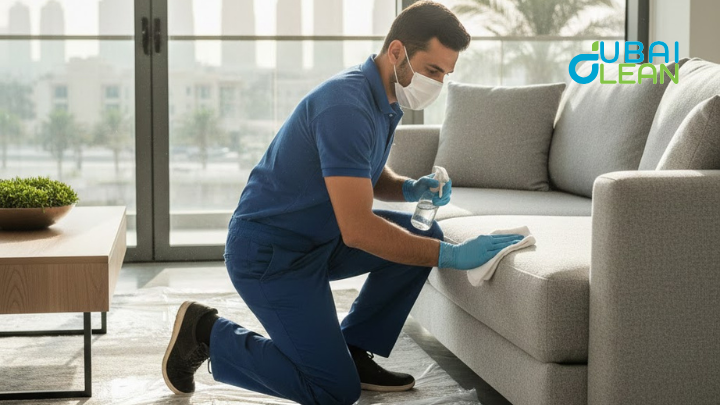
    Checking sofa fabric before cleaning

    Dry Surface Preparation Techniques

    Before cleaning, it’s important to remove surface dust and debris using gentle, fabric-safe motions that protect the fibers. Separating cushions allows for even hygiene across all areas, ensuring hidden dust or crumbs don’t remain. Cleaning in the direction of the fabric weave preserves texture and prevents wear, an often-overlooked step in many DIY methods.

    Creating a Safe Cleaning Environment at Home

    A safe cleaning environment is essential for both your sofa and your home. Make sure the area is well-ventilated to avoid spreading dust, and protect nearby floors and furniture from accidental spills or residues. Additionally, plan cleaning for the cooler parts of the day, as Dubai’s heat and humidity can affect fabric drying and cleaning efficiency. Proper preparation ensures a risk-free, professional-level cleaning result.

    4. Safe Manual Sofa Cleaning Methods Used by Professionals

    Safe manual sofa cleaning relies on low-moisture techniques that protect the fabric and structure. By gently refreshing the surface, professionals remove dust and light stains without soaking the material, preventing shrinkage or warping. Maintaining fabric tension ensures the sofa keeps its shape and durability over time. These controlled, minimal-moisture methods are especially important in Dubai’s heat and humidity, where over-wetting can damage the fibers. The result is a clean, hygienic sofa without risking structural or fabric harm.

    Low-Moisture Fabric Refreshing Techniques

    Using minimal moisture is essential to protect the sofa’s structure and prevent fabric shrinkage or warping. Professionals focus on surface-level sanitation, gently removing dust, dirt, and light stains without soaking the material. Preserving fabric tension ensures the sofa maintains its shape and durability over time, while still achieving a clean, hygienic surface. These controlled, low-moisture methods are particularly effective in Dubai homes, where heat and humidity can make over-wetting risky.

    5. Maintaining Hygiene Without Overcleaning

    Maintaining sofa hygiene without overcleaning is key to preserving both fabric and indoor health. Overcleaning can weaken fibers, while neglect allows dust, allergens, and bacteria to build up especially in Dubai’s dusty environment. Light cleaning weekly, with deeper refreshes every few months, helps maintain cleanliness. For persistent stains or odors, professional intervention is safer than aggressive home methods. Using neutral odor control instead of fragrances protects family health and keeps the sofa fresh without chemical risks.

    How Often Is Safe for Manual Sofa Cleaning?

    Finding the right cleaning frequency is essential to protect both fabric and hygiene. Overcleaning can weaken fibers, while neglect allows dust, allergens, and bacteria to accumulate. In Dubai, the frequent dust cycles make weekly light cleaning ideal, with deeper refreshes every few months. Watch for signs like persistent stains, odors, or fabric stiffness.

    Odor Control Without Artificial Fragrances

    Masking odors with fragrances may temporarily hide smells but can pose health risks, especially for children or allergy-sensitive residents. Professionals prefer neutralization techniques that eliminate odors without harmful chemicals. Ensuring proper ventilation and using safe, natural solutions helps maintain a fresh, safe indoor environment, protecting both family health and sofa integrity.

    6. When Home Cleaning Is Not Enough

    Sometimes, home cleaning isn’t enough to keep your sofa safe and hygienic. Persistent odors, skin irritation, fabric stiffness, or mold growth are signs that professional cleaning is needed. Delaying intervention can increase health risks for children, elderly family members, and allergy-sensitive residents, while also accelerating fabric damage. In Dubai’s dusty and humid environment, timely professional care ensures your sofa remains clean, safe, and durable for the long term.

    Warning Signs Your Sofa Needs Professional Help

    Sometimes, home cleaning isn’t enough to maintain hygiene and fabric health. Persistent odors, skin irritation after use, fabric stiffness or discoloration, or signs of mold in humid areas are clear indicators that professional intervention is necessary. Ignoring these issues can worsen allergens and bacteria accumulation, posing health risks for families.

    Health-First Decision Making for Families

    Delaying professional sofa cleaning may save time or money initially, but it can increase health risks and accelerate fabric wear and damage. For families in Dubai, where dust, humidity, and frequent use are common, choosing timely professional care ensures both long-term fabric longevity and a safe, hygienic indoor environment.

    Conclusion

    Cleaning your sofa at home without equipment can be both safe and effective when proper care is taken to prioritize health, hygiene, and fabric protection. By using professional-inspired, low-moisture techniques and fabric-safe methods, you can maintain a clean and comfortable sofa without causing damage. Making informed, cautious decisions rather than following risky online shortcuts or overusing chemicals protects your family from allergens, bacteria, and indoor air hazards. This approach also preserves the durability and appearance of your sofa over time.

    FAQS

  • How to Remove Stubborn Grime from Chandeliers Safely in Dubai Homes

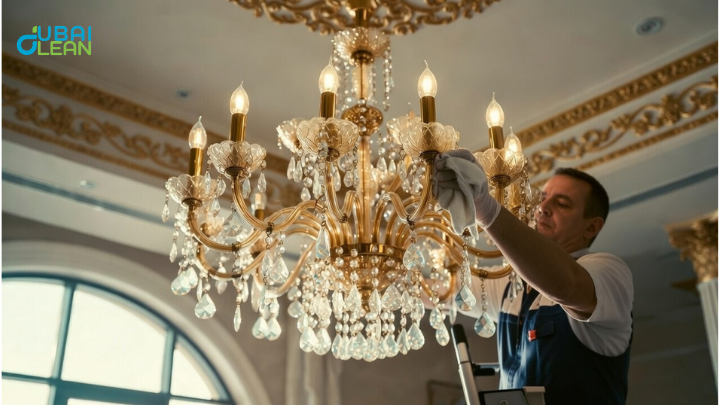
    How to Remove Stubborn Grime from Chandeliers Safely in Dubai Homes

    Removing stubborn grime from chandeliers in Dubai requires careful attention to both safety and fixture preservation. The city’s desert dust, humidity, and high-ceiling interiors make cleaning more challenging than in other regions. This guide helps homeowners maintain sparkle, protect materials, and prevent damage without risking health or electrical hazards.

    1. Why Chandeliers in Dubai Accumulate Stubborn Grime Faster

    Chandeliers in Dubai homes face unique environmental challenges that make grime buildup faster and harder to remove than in many other regions. The combination of desert dust, indoor humidity, air-conditioned interiors, and open-plan living spaces creates conditions where particles cling to delicate surfaces. Understanding these factors helps homeowners adopt effective, safe cleaning practices that preserve both fixture beauty and longevity.

    Impact of Desert Dust, Fine Sand, and Air Circulation

    Dubai’s desert environment produces fine dust and sand that enter homes through doors, windows, and ventilation systems. These tiny particles settle on elevated chandeliers, while air circulation from fans and AC vents repeatedly redistributes them, allowing dust to stick tightly to crystals, glass, and metal surfaces.

    Effect of Humidity and AC Condensation on Grime Buildup

    Continuous air conditioning creates indoor humidity, which binds dust and grease to chandelier surfaces. Over time, condensation residue hardens, turning light dust into stubborn grime that cannot be removed with simple dry wiping, especially on intricate or delicate fixtures.

    Kitchen Proximity, Indoor Pollution, and Grease Residue

    Chandeliers near kitchens or dining areas are exposed to cooking vapors, grease, and airborne pollutants. These particles mix with dust and humidity to form sticky films, dulling crystal sparkle and accelerating metal corrosion if left untreated.

    2. Understanding the Hidden Risks of Dirty Chandeliers

    Dirty chandeliers are more than an aesthetic concern in Dubai homes; they can pose serious safety, health, and property risks. Dust, humidity, and constant air circulation allow grime to accumulate in ways that reduce light output, promote corrosion, trap allergens, and even compromise electrical components. Recognizing these hidden dangers emphasizes the importance of regular, safe maintenance.

    Reduced Light Output Affecting Indoor Visibility: Layers of dust and grime can significantly dim chandeliers, reducing visibility in stairwells, dining areas, and entryways. In villas and high-ceiling apartments, this can increase the risk of trips, falls, and eye strain.

    Electrical Safety Risks from Moisture and Dust Accumulation: Dust combined with indoor humidity can infiltrate wiring and fittings, increasing the risk of short circuits, flickering lights, or overheating in air-conditioned interiors.

    Airborne Allergens Trapped in Decorative Fixtures: Crystals, beads, and intricate frames can collect dust mites, pollen, and fine sand particles. Disturbance by airflow can recirculate allergens, affect indoor air quality and trigger respiratory discomfort.

    This guidance prioritizes health, electrical safety, and long-term protection, showing that proper chandelier care is a preventive safety measure rather than just cosmetic cleaning.

    3. Identifying Chandelier Materials Before Cleaning

    Before cleaning, it’s essential to know the materials your chandelier is made of. Dubai homes often feature high-end fixtures with intricate designs, and using the wrong cleaning method can cause costly damage. Understanding crystals, glass, metals, and delicate components ensures both aesthetic preservation and functional safety. Material awareness is the first step in risk-free, effective chandelier maintenance.

    Crystal vs. Glass: Why Cleaning Reactions Differ: Crystals are softer and more porous than glass, making them prone to etching, streaking, or loss of clarity if exposed to harsh chemicals or excessive moisture. Glass is slightly more resilient but can still scratch or develop water spots if cleaned incorrectly.

    Metal Frames: Brass, Chrome, Gold-Plated Finishes: Metal frames require careful attention, as abrasive cleaners or acidic solutions can corrode finishes or leave permanent tarnish. Identifying the metal type ensures the use of safe agents that maintain shine without chemical damage.

    Fabric Shades and Beadwork Sensitivity: Delicate fabrics, silk components, and beadwork can warp, fade, or loosen if over-saturated or scrubbed. Dubai chandeliers often feature ornate embellishments, making gentle, material-specific care essential.

    Why One-Method-Fits-All Cleaning Is Unsafe: Using the same cleaning approach on all materials can cause scratches, corrosion, or structural damage. Material identification ensures that each component receives the appropriate care, protecting both longevity and value.

    This section demonstrates authority and practical knowledge, guiding homeowners to clean safely while preserving the beauty and functionality of luxury chandeliers.

    4. Safe Preparation Measures Before Removing Grime

    Proper preparation is critical before cleaning chandeliers, especially in Dubai homes with high ceilings, air-conditioned interiors, and luxury fixtures. Focusing on safety, material protection, and environmental factors reduces the risk of injury, electrical hazards, and long-term damage. Following these steps ensures an effective and worry-free cleaning process.

    Following these preparation steps protects homeowners and high-value fixtures, making chandelier cleaning both safe and efficient.

    5. Effective Methods to Loosen Stubborn Grime Without Damage

    Removing stubborn grime from chandeliers requires techniques that protect both the fixture and the home environment. In Dubai homes, excessive moisture, abrasive tools, or chemical residues can damage crystals, metal frames, and electrical components. Safe methods focus on controlled cleaning, material preservation, and minimizing exposure to humidity, ensuring the chandelier retains brilliance without compromising safety or longevity.

    How Controlled Moisture Breaks Down Grease Safely

    Using minimal, controlled moisture dissolves grease and dust without soaking delicate crystals or metal frames. Excess water can reach electrical components or cause streaking, especially in air-conditioned interiors, so dampening should be precise and gentle.

    Importance of Low-Pressure, Lint-Free Cleaning Tools

    Soft microfiber cloths, gentle sponges, or specialized brushes prevent scratches and fiber deposits. Low-pressure cleaning reduces stress on crystals and metals, preserving sparkle and maintaining long-term value in high-end Dubai fixtures.

    Why Aggressive Scrubbing Shortens Chandelier Lifespan

    Harsh scrubbing or abrasive tools may remove grime initially but can cause micro-scratches, tarnish finishes, or loosen decorative components. Over time, this accelerates wear and may require costly repairs or replacement.

    Spot-Treatment Approach for Layered Grime

    Focusing on heavily soiled areas instead of the entire chandelier allows targeted cleaning with minimal risk. Layered grime responds better to gentle, localized treatment, reducing exposure of sensitive materials to moisture or chemicals.

    This section explains informed, safe processes without encouraging unsafe DIY procedures, equipping Dubai homeowners to protect health, electrical safety, and fixture longevity.

    6. Common Cleaning Mistakes That Cause Permanent Chandelier Damage

    Even well-intentioned cleaning can unintentionally harm chandeliers, particularly high-value fixtures in Dubai homes. Mistakes such as over-wetting, using harsh chemicals, ignoring manufacturer instructions, or cleaning warm fixtures can lead to electrical hazards, surface corrosion, or permanent damage. Recognizing these errors helps homeowners understand how to safely clean luxury chandeliers and avoid common chandelier cleaning mistakes, protecting both safety and the long-term beauty of their lighting investments.

    how to remove stubborn grime from chandeliers

    Over-Wetting Electrical Components: Excess liquid can seep into wiring, sockets, and bulbs, causing short circuits or permanent damage. In air-conditioned interiors, moisture may linger, increasing the risk of corrosion or electrical hazards.

    Using Abrasive Chemicals on Luxury Finishes: Harsh or acidic cleaners can erode metal coatings, discolor gold plating, and dull crystals. High-end chandeliers require pH-neutral or manufacturer-approved solutions to maintain brilliance.

    Ignoring Manufacturer Care Limitations: Disregarding recommended cleaning frequency, approved agents, or safe handling methods can void warranties and permanently compromise fixture quality.

    Cleaning While Fixtures Are Still Warm: Applying moisture to warm crystals or metals can cause cracking, warping, or discoloration due to temperature shock.

    Highlighting these real-world mistakes reinforces informed, cautious cleaning, giving Dubai homeowners practical, authoritative guidance to protect their chandelier investment.

    7. Special Care for Chandeliers in Villas vs Apartments

    Chandelier maintenance in Dubai differs by property type, as villas, high-rise apartments, and coastal homes face unique challenges. Factors such as ceiling height, indoor air quality, and environmental exposure influence cleaning frequency, methods, and safety precautions. Understanding these differences helps homeowners preserve luxury fixtures while reducing risks and maintenance costs.

    Frequency Differences Based on Property Type

    Property TypeDust & Grime AccumulationRecommended Maintenance Approach
    Villas (high ceilings, open spaces)High, especially near kitchens & entrywaysRegular inspections, gentle cleaning, possible professional assistance
    High-Rise ApartmentsModerate, filtered AC reduces dustRoutine dusting, targeted care for delicate fixtures
    Coastal ResidencesHigh risk of corrosion from salt airFrequent cleaning, corrosion-resistant treatments, protective polishing

    Highlighting Dubai-specific property types and environmental factors improves search relevance while guiding homeowners on tailored chandelier care.

    8. How Often Chandeliers Should Be Cleaned

    Regular chandelier maintenance in Dubai is essential not only for appearance but also for safety and fixture longevity. The city’s desert climate, indoor humidity, and high-ceiling living spaces accelerate dust and grime accumulation compared to non-desert regions. Understanding these environmental factors helps homeowners plan effective cleaning schedules that preserve both brilliance and structural integrity.

    Conclusion

    Proper chandelier care in Dubai requires safe, informed cleaning practices that protect both health and high-value fixtures. By considering local environmental factors like dust, humidity, and coastal exposure, homeowners can prevent stubborn grime and damage. Proactive maintenance ensures long-term brilliance, safety, and reduced repair costs.

    FAQs

  • Pest-Related Itchy Skin Reactions – Causes, Symptoms & Care in Dubai

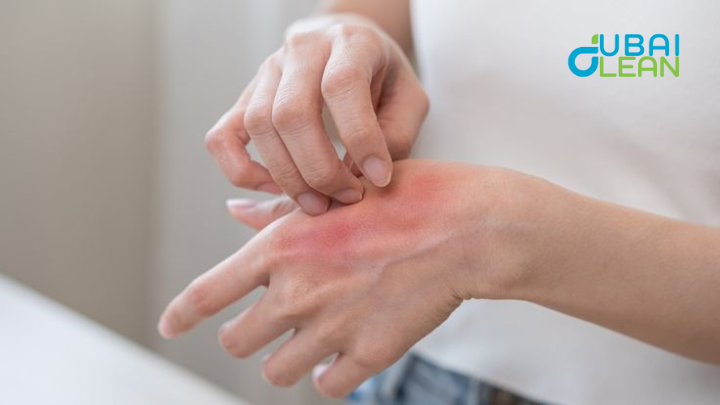
    Pest-Related Itchy Skin Reactions – Causes, Symptoms & Care in Dubai

    Living in Dubai means enjoying a warm climate, modern homes, and an active lifestyle but it also means dealing with pests that thrive in heat and humidity. From bed bugs in apartments to mosquitoes near standing water, pest-related itchy skin reactions are a common yet frustrating problem for residents. That sudden itch, redness, or swelling on your skin is not just uncomfortable, it can signal an underlying pest infestation that needs urgent attention.

    1. Why Pest-Related Itchy Skin Reactions Happen

    Pest-related itchy skin reactions are not random skin problems. They occur when your body responds to bites, allergens, or repeated exposure to household pests that are common in warm climates like Dubai. Understanding the reasons behind these reactions helps in early identification and long-term prevention.

    Insect Bites Trigger the Body’s Natural Defense System

    When pests such as bed bugs, mosquitoes, fleas, or mites bite the skin, they inject saliva or venom that contains proteins unfamiliar to the human body. The immune system treats these substances as a threat and releases histamines to protect the skin. This reaction causes itching, redness, swelling, and irritation.

    In Dubai, where bed bugs and mosquitoes are active throughout the year, these bites often appear overnight and mainly affect exposed areas like the arms, legs, neck, and face. The itching can become intense, especially at night, and scratching may worsen the skin condition or lead to infection.

    Allergens from Pests Cause Skin Irritation Without Visible Bites

    Not all pest-related itchy reactions come from direct bites. Many pests release allergens through droppings, shed skin, or microscopic particles that remain in carpets, mattresses, sofas, and air-conditioning systems. Dust mites and cockroaches are common sources of these allergens in Dubai homes, especially in humid indoor environments

    When the skin comes into contact with these allergens, it can develop persistent itching, rashes, or dryness without obvious bite marks. This often leads to confusion, as people mistake the reaction for eczema or seasonal allergies.

    Continuous Exposure Makes Skin More Sensitive Over Time

    When a pest problem is left untreated, repeated exposure can cause the skin to become increasingly sensitive. Each new bite or contact triggers a stronger reaction than before, leading to chronic itching, inflammation, and sometimes painful sores. In shared residential buildings across Dubai, pests can easily spread between apartments, making repeated exposure more likely

    Over time, the skin’s protective barrier weakens, increasing the risk of bacterial infections and scarring. This is why treating the infestation itself is essential, not just managing the skin symptoms.

    2. Signs and Symptoms of Pest-Related Itchy Skin Reactions

    Pest-related itchy skin reactions can look different from person to person, depending on the type of pest, skin sensitivity, and level of exposure. Recognizing the early signs and symptoms is important to prevent discomfort from turning into a long-term skin or health issue.

    Persistent Itching and Redness on Exposed Skin

    One of the earliest and most common signs of a pest-related itchy skin reaction is persistent itching accompanied by redness. This usually appears on exposed areas of the body such as the arms, legs, neck, shoulders, or face. The itching may start mild but often becomes more intense over time, especially at night when pests like bed bugs and mosquitoes are most active

    In many cases, scratching provides temporary relief but ends up worsening the irritation, causing the skin to become inflamed, swollen, or even cracked. This symptom is especially common in Dubai homes where warm indoor temperatures allow pests to remain active year-round.

    Red Bumps, Rashes, or Clustered Bite Marks

    Another clear symptom is the appearance of red bumps, small rashes, or bite marks that may form in clusters or straight lines. Bed bug bites often show up in patterns, while flea bites are commonly found around the ankles and lower legs. Mosquito bites, on the other hand, appear as raised, itchy welts. These marks can vary in size and may darken over time, particularly on sensitive skin.

    In some cases, blisters or fluid-filled bumps may develop, indicating a stronger allergic reaction. If new marks continue to appear daily, it is often a sign of an ongoing pest infestation rather than a one-time exposure.

    Swelling, Burning Sensation, or Signs of Infection

    In more severe cases, pest-related skin reactions can cause noticeable swelling, warmth, or a burning sensation around the affected area. This usually happens when the body has a strong immune response or when repeated scratching damages the skin barrier. Open sores created by scratching can allow bacteria to enter, leading to infection.

    Symptoms of infection may include pus, pain, increased redness, or fever. In Dubai’s humid climate, these infections can worsen quickly if not treated properly. At this stage, both medical attention and professional pest control become necessary to stop the cycle of irritation and exposure.

    3. Myths vs Facts About Pest-Related Itchy Skin Reactions

    There are many misconceptions surrounding pest-related itchy skin reactions, which often lead people to ignore the real cause or delay proper treatment. Understanding the difference between myths and facts helps you take the right action early and prevent recurring skin irritation and pest infestations.

    MythFact
    Itchy skin reactions are always caused by allergies or sensitive skinPest bites and pest allergens are a common cause of itchy skin, especially in warm climates like Dubai where pests are active year-round
    If there are no visible bite marks, pests are not the problemMany pests, such as dust mites and cockroaches, cause itching through allergens without leaving visible bite marks
    Bed bugs only exist in dirty homesBed bugs can infest even clean, well-maintained homes and are often brought in through luggage, furniture, or shared buildings
    Mosquito bites are harmless and do not need attentionScratching mosquito bites can lead to skin infections, scarring, and prolonged irritation if not treated properly
    Home remedies alone can permanently solve pest-related skin issuesHome remedies may soothe symptoms, but professional pest control is needed to eliminate the root cause
    Pest problems go away on their own over timeWithout proper treatment, pest infestations often worsen and cause repeated skin reactions

    Pest-Related Itchy Skin Reactions

    4. Why DubaiClean Is a Trusted Choice for Pest Control in Dubai

    Choosing the right pest control service is essential to protect your home and family from recurring itchy skin reactions and infestations. DubaiClean has earned the trust of residents across the city by providing safe, effective, and long-lasting solutions tailored to Dubai’s unique environment.

    • Dubai-Specific Expertise: We understand the pests that are most common in Dubai homes and apartments, from bed bugs to mosquitoes and fleas.
    • Safe and Eco-Friendly Treatments: All our solutions are approved, child-safe, and pet-friendly, ensuring a healthy living environment.
    • Thorough Inspections: Our trained technicians identify hidden infestations, entry points, and high-risk areas before treatment.
    • Targeted Pest Control: We provide pest-specific treatments that eliminate the problem at the source, not just temporarily relieve symptoms.
    • Long-Term Prevention Advice: We educate homeowners on maintaining pest-free spaces with simple, effective measures.
    • Experienced and Professional Team: Our certified technicians are skilled, reliable, and equipped to handle both small and large-scale infestations.
    • Transparent Pricing and Follow-Ups: We offer clear service plans with follow-up inspections to prevent pests from returning.

    Conclusion

    Pest-related itchy skin reactions are more than just a minor inconvenience they are a clear signal that pests are affecting your home and your health. From bed bugs and mosquitoes to fleas and dust mites, these tiny invaders can cause persistent itching, rashes, and even infections if left untreated. Preventing and addressing these reactions requires a combination of proper home hygiene, awareness of common symptoms, and professional pest control services. While home remedies can provide temporary relief, only expert solutions can eliminate pests at the source and ensure your home stays safe and itch-free.

    faqs

  • Professional Marble Floor Installation Benefits, Lifespan & Standards

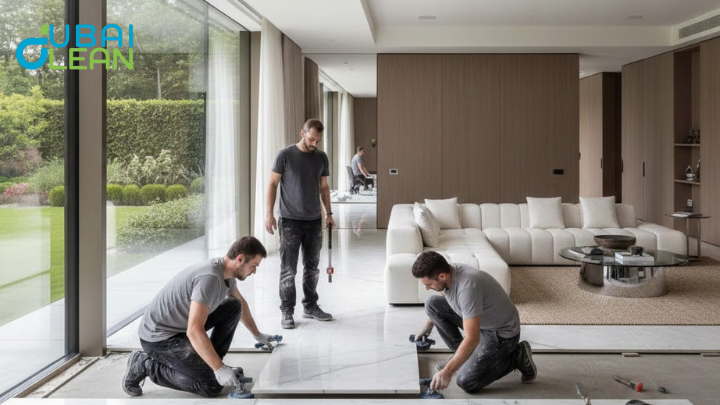
    Professional Marble Floor Installation Benefits, Lifespan & Standards

    Marble flooring has long been celebrated for its timeless elegance, durability, and ability to elevate the aesthetic of any home or office. Choosing a professional installation ensures that your investment maintains its beauty and strength for years to come. Expert installers follow strict workmanship standards, reducing the risk of damage and costly repairs. Understanding the professional marble installation benefits helps homeowners make informed decisions, protecting both their property and long-term investment.

    1. Trusted Marble Floor Installation

    Professional marble floor installation involves precise techniques and expert handling that distinguish it from DIY attempts. Certified installers follow strict marble installation workmanship standards, ensuring durability, flawless alignment, and safety. From surface preparation and leveling to cutting, polishing, and sealing, each step is performed with care to protect your investment and guarantee long-lasting results.

    Professional installation ensures that every marble slab is placed with precision, minimizing gaps, cracks, or uneven surfaces that can occur with DIY methods. Expert installers also select the right adhesives, grout, and sealants according to the type of marble, climate, and usage, following industry best practices for longevity.

    Adhering to marble installation workmanship standards not only enhances the visual appeal but also safeguards against long-term issues such as water damage, chipping, or discoloration. By relying on certified professionals, homeowners can make informed decisions that protect both the value and safety of their property.

    2. Benefits of Marble Installation homes

    Choosing professional marble installation offers numerous advantages that go beyond aesthetics. Expert installers ensure longevity and durability by reducing the risk of cracks, uneven surfaces, or premature wear. Precise cutting and alignment enhance the visual appeal, giving your floors a flawless, high-end finish. Additionally, professional installation adds value to your property and ensures safety compliance, protecting both your investment and your family.

    BenefitDescription
    Longevity & DurabilityProfessional techniques prevent damage, cracks, and wear, extending the life of your marble flooring.
    Enhanced Aesthetic AppealPrecise cutting, alignment, and polishing ensure a flawless, luxurious finish.
    Value Addition to PropertyProfessionally installed marble boosts property resale value and overall appeal.

    Always hire certified marble installers with verifiable experience to ensure adherence to marble installation workmanship standards. Checking reviews and previous projects helps confirm quality and trustworthiness. Proper professional installation not only protects your investment but also ensures your home remains safe, elegant, and long-lasting.

    3. Lifespan of Marble Flooring

    With proper installation: and routine maintenance, marble floors can last several decades, making them a long-term investment for any property. The average lifespan depends on factors such as the type and quality of marble, frequency of use, and adherence to professional installation standards. Certified installers and maintenance experts emphasize that following recommended care practices significantly extends durability.

    Several steps: can maximize the longevity of marble flooring. Regular cleaning with non-abrasive solutions, periodic sealing, and avoiding acidic or harsh chemicals prevent damage and discoloration. Professional polishing at scheduled intervals restores shine and maintains structural integrity. Relying on expert advice ensures your marble floors remain elegant, safe, and a lasting asset to your home or office.

    installation – benefits

    4. Marble Installation Workmanship Standards

    High-quality marble installation requires strict adherence to industry standards and best practices to ensure durability, safety, and a flawless finish. Following professional workmanship standards minimizes the risk of cracks, uneven surfaces, or premature wear. Certified installers rely on tested techniques and quality materials to deliver long-lasting results that protect both your investment and your property.

    • Subfloor Preparation: Ensure the surface is clean, level, and structurally sound before installation.
    • Tile Alignment and Spacing: Precise placement prevents gaps, uneven joints, and aesthetic flaws.
    • Adhesive and Grout Selection: Use materials suitable for the type of marble and environmental conditions.
    • Polishing and Sealing Techniques: Proper polishing enhances shine, while sealing protects against stains and moisture.
    • Quality Checks: Inspect for uniformity, tight joints, and smooth finishing to confirm adherence to standards.

    Maintaining these standards ensures your marble floors remain elegant and durable for decades. Relying on experienced professionals guarantees compliance with safety and quality guidelines, giving homeowners confidence and peace of mind. Following these practices protects your property while maximizing the aesthetic and functional value of your investment.

    5. Common Mistakes to Avoid in Installation

    Many homeowners unknowingly compromise the longevity and appearance of their marble floors by making avoidable mistakes. Poor preparation, unqualified installers, and neglecting proper sealing or maintenance can lead to cracks, stains, or uneven surfaces. Understanding common pitfalls helps protect your investment and ensures your marble floors remain elegant, safe, and durable. Following expert advice reduces risks and guarantees compliance with professional workmanship standards.

    • Poor subfloor preparation leading to uneven surfaces and cracks.
    • Using unqualified or inexperienced installers.
    • Skipping proper adhesive or grout selection.
    • Ignoring professional polishing and sealing requirements.
    • Overlooking regular maintenance and cleaning routines.
    • Failing to check tile alignment and spacing during installation.
    • Not verifying installer credentials, certifications, or references.
    • Overlooking warranty terms and after-service support.

    6. Choose Right Marble Installation Service

    When selecting a marble installation service, choosing a trusted and experienced provider like DubaiClean ensures exceptional results and peace of mind. Their certified installers adhere to strict marble installation workmanship standards, delivering flawless floors while prioritizing safety and durability. By reviewing credentials, past projects, and customer testimonials, homeowners can confidently rely on DubaiClean’s expertise and professionalism.

    Conclusion

    Investing in professional marble installation with DubaiClean ensures your floors are not only visually stunning but also durable and safe. Their certified experts follow strict marble installation workmanship standards and provide guidance on proper maintenance to maximize longevity. By choosing DubaiClean, homeowners gain peace of mind, knowing their investment is handled with professionalism, expertise, and long-term care.

    FAQS

  • Water Tank Disinfection & Safe Sanitization: Complete Guide

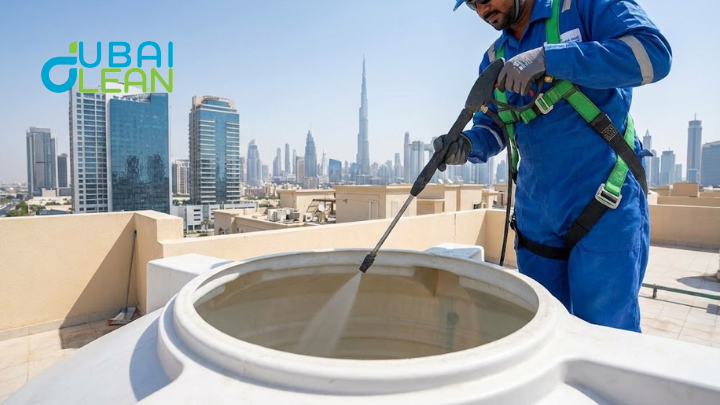
    Water Tank Disinfection & Safe Sanitization: Complete Guide

    In the UAE, high-rise residential and commercial buildings rely on clean water for health and safety. Contaminated tanks can harbor bacteria, algae, and other microbes, creating serious risks for drinking, cooking, and daily use. Regular maintenance and proper disinfection are essential to prevent waterborne diseases and unpleasant odors. This guide covers the disinfection & sanitization of water tanks, explaining how to safely use potable water tank disinfection chemicals, select the right type for your tank.

    1. Why Water Tank Disinfection & Sanitization Is Critical

    Neglected or poorly maintained water tanks can harbor bacteria, E. coli, Legionella, and other harmful microbes, putting residents and building occupants at risk of waterborne diseases. Regular water tank disinfection & sanitization is vital in high-rise and commercial buildings to ensure safe water for drinking, cooking, and daily use. Complying with WHO guidelines and Dubai Municipality standards helps maintain water quality, protect public health, and stay aligned with regulations.

    Common Contaminants in Water Tanks

    Water tanks can accumulate contaminants over time, including algae, slime, bacteria, and fungi. These are especially common in tanks exposed to sunlight or cleaned infrequently, and they can affect water quality while causing unpleasant odors.

    Health Impacts of Contaminated Water

    Contaminated water may cause serious health issues, such as stomach infections, skin irritations, and respiratory problems. Young children, older adults, and people with compromised immune systems are especially at risk. Consistent use of potable water tank disinfection chemicals reduces these risks and keeps water safe for everyone.

    2. Types of Water Tank Disinfection Chemicals

    Disinfecting water tanks involves different types of chemicals, each designed for specific purposes, safety requirements, and effectiveness in potable water. The main options include chlorine-based chemicals, hydrogen peroxide, calcium hypochlorite, and eco-friendly alternatives.

    Selecting the right chemical depends on factors like tank material, water usage, and contamination levels. Following proper dosage instructions and safety precautions, including wearing protective gear, is essential to ensure effective disinfection while keeping water safe for use.

    Chlorine & Sodium Hypochlorite

    Chlorine and sodium hypochlorite are among the most widely used disinfectants for water tanks, effectively removing bacteria, algae, and other harmful microorganisms. Approved for potable water use, they must be applied at the correct dosage, too much can leave chemical residues, while too little may allow contaminants to remain. Their reliability and effectiveness make them popular choices for both residential and commercial buildings in Dubai.

    Alternative Eco-Friendly Disinfectants

    For safer or eco-friendly alternatives, hydrogen peroxide and food-grade disinfectants are ideal for potable water tanks. These options are non-toxic, environmentally friendly, and perfect for homes sensitive to harsh chemicals. While they may be slightly less powerful than chlorine for severe contamination, they provide a safe and sustainable solution for maintaining clean water in Dubai homes and offices.

    3. Step-by-Step Guide to Disinfecting a Water Tank

    Disinfecting a water tank requires careful planning, proper chemical use, and strict safety measures to ensure that the water remains safe for drinking and daily use. Using approved potable water tank disinfection chemicals is essential for maintaining water quality, especially in residential and commercial buildings. This step-by-step guide covers preparation, chemical application, required contact time, rinsing procedures, and essential safety checks.

    Potable water tank disinfection

    Safety Preparations Before Disinfection

    Before starting the disinfection process, it is important to take safety precautions. Wear protective gloves and masks to avoid chemical exposure, shut off the water supply, and remove any debris or sediment from the tank. Ensuring a clean and safe workspace reduces contamination risks and protects the health of anyone performing the cleaning.

    Disinfection & Rinsing Process

    Apply the disinfectant at the correct concentration according to manufacturer guidelines. Allow the chemicals to remain in contact with the tank surfaces for the recommended period to effectively eliminate bacteria, algae, and other microbes. After the contact time, thoroughly flush the tank to remove any chemical residues, ensuring the water is safe for consumption. Proper rinsing and verification are critical steps in safeguarding potable water quality.

    4. Safety Precautions & Best Practices

    Handling water tank disinfection chemicals requires strict safety measures to prevent chemical exposure, poisoning, or accidental contamination. Always follow manufacturer guidelines, use proper protective equipment, and avoid mixing chemicals that could react dangerously. Safe handling not only protects the person performing the cleaning but also ensures that the water remains safe for residents and building occupants.

    In Dubai, compliance with local regulations and Dubai Municipality standards is essential when disinfecting water tanks. Regular monitoring, documentation of chemical use, and adherence to approved safety procedures help maintain water quality while meeting legal and public health requirements. These best practices are crucial for maintaining potable water safety in residential and commercial buildings.

    Chemical Safety & PPE

    Always wear protective gloves, goggles, and masks when handling disinfectants. Ensure proper ventilation in the cleaning area and store chemicals in a secure, labeled location away from children and pets. Following these precautions minimizes risks of exposure and accidents during the disinfection process.

    Post-Disinfection Checks

    After cleaning, test the water to confirm it meets potable standards, and thoroughly remove any chemical residues. Verifying that the water is safe for consumption is a critical step to ensure compliance with health regulations and to protect the well-being of residents and building users.

    5. Common Problems & Solutions in Water Tank Disinfection

    Some water tanks may continue to develop algae, slime, or unpleasant odors even after disinfection due to factors like stagnant water, sunlight exposure, or irregular cleaning. Hard-to-clean tanks, such as underground or high-rise storage systems, require careful chemical application, longer contact times, and specialized tools to ensure complete sanitation. Using approved potable water tank disinfection chemicals along with regular maintenance and inspections helps prevent these problems and keeps water safe for everyday use.

    • Some tanks may still develop algae, slime, or foul odors even after disinfection.
    • Causes include stagnant water, sunlight exposure, or irregular cleaning.
    • Regular maintenance and inspections help prevent recurring contamination and keep water safe for daily use.
    • Using approved potable water tank disinfection chemicals ensures effective sanitation.

    Conclusion

    Regular disinfection & sanitization of water tanks is crucial to ensure safe and clean water for both residential and commercial buildings in Dubai. Contaminated tanks can harbor bacteria, algae, and other harmful microbes, putting health at risk, which is why using approved potable water tank disinfection chemicals safely is essential. Following proper dosage, contact times, and rinsing procedures not only protects the water but also prolongs the life of the tank.

    FAQS

  • How to Fix Carpet Shrinkage After Cleaning in Dubai Homes

    How to Fix Carpet Shrinkage After Cleaning in Dubai Homes

    Carpet shrinkage occurs when a carpet becomes smaller after cleaning, often due to excess moisture, heat, or improper drying. In Dubai, this can damage high-quality carpets, create trip hazards, and affect home aesthetics. Experts recommend careful drying and immediate inspection after cleaning to protect your carpet and investment.

    1. Can Carpet Shrinkage Be Fixed?

    Yes, carpet shrinkage can often be corrected, depending on the severity and type of carpet. Minor wrinkles or small ripples can usually be fixed at home using gentle stretching, careful re-wetting, and smoothing techniques. Moderate to severe shrinkage, especially in luxury carpets, typically requires professional intervention to restore the carpet safely and effectively.

    How Professionals Fix Shrinkage

    Certified carpet technicians use specialized tools for stretching, re-seaming, or full reinstallation. Following UAE industry standards ensures the carpet’s durability, maintains its aesthetic appeal, and keeps your home safe from trip hazards.

    2. Understanding Carpet Shrinkage

    Carpet shrinkage happens when the fibers or backing contract after cleaning, causing wrinkles, ripples, or lifted edges. This issue is common in Dubai homes with luxury carpets, as over-wetting, heat, or improper drying can affect high-quality flooring. Understanding the causes and acting quickly helps prevent long-term damage, trip hazards, and loss of aesthetic appeal.

    What Causes Carpet Shrinkage?

    Excess moisture, high heat, and improper drying can all lead to shrinkage. Natural fibers like wool or cotton are more prone, while Dubai’s humid climate can slow drying, making carpets stay damp longer. Knowing your carpet type and environment helps determine the safest repair or prevention approach.

    Why Timely Action Matters

    Unchecked shrinkage can damage carpet backing, create trip hazards, and reduce the visual appeal of your home. Certified carpet technicians recommend inspecting carpets immediately after cleaning and using gentle stretching or proper drying methods to maintain safety and durability.

    3. Assessment Before Repair

    Before fixing carpet shrinkage, it’s essential to assess the affected areas to determine severity and the best repair method. Proper inspection protects your investment in high-quality Dubai carpets and ensures home safety by identifying ripples, lifted edges, or gaps that could cause trips or damage. Early assessment helps decide if a DIY fix is sufficient or if professional intervention is needed.

    Inspect the Carpet: Examine the entire surface for wrinkles, folds, or pulled edges. Minor shrinkage shows as small ripples, while severe cases can create noticeable gaps. Document affected areas to guide your repair approach and prevent worsening of the problem.

    Identify Carpet Type: Natural fibers like wool shrink more easily, while synthetic fibers such as nylon or polyester are more resistant but still vulnerable under extreme conditions. Blended carpets require careful handling to prevent uneven shrinkage. Knowing the type ensures safe repair and avoids further damage.

    Check Subfloor and Padding: Inspect the carpet padding and subfloor for water damage, mold, or weakening of the backing. Early detection prevents structural problems and maintains the carpet’s longevity. Promptly addressing any damp or damaged areas ensures a safer home environment and reduces the risk of costly repairs.

    4. Step-by-Step Solutions to Fix Carpet Shrinkage

    The method to fix carpet shrinkage depends on how severe it is. Minor wrinkles can often be corrected at home, while moderate to severe shrinkage usually requires professional help. Choosing the right approach ensures safety, preserves carpet quality, and maintains the luxurious look of Dubai homes. Early intervention can prevent costly repairs and trip hazards.

    Minor Shrinkage Fixes (DIY-Friendly)

    For small areas, gently stretch the carpet using a knee kicker or tucker to smooth out ripples. Lightly dampen affected sections and allow slow, even drying, or place weights on wrinkles to help fibers return to their original shape. These methods work best on small, non-luxury carpets and should be tested in a discreet area first.

    Moderate Shrinkage Solutions

    Noticeable shrinkage often requires certified technicians. Professionals use carpet stretching tools to restore tension and may re-seam or replace affected edges. In Dubai, always ensure the technician follows UAE industry standards and is certified by recognized trade associations for safe and long-lasting results.

    Severe Cases

    Extensive shrinkage or damage may require full reinstallation by certified specialists. Check your carpet warranty before attempting DIY fixes, as professionals can maintain coverage and provide long-term guarantees. Full replacement ensures safety, durability, and preserves the carpet’s premium appearance.

    5. Preventing Carpet Shrinkage in the Future

    Preventing carpet shrinkage is always easier than repairing it, especially for high-quality or luxury carpets in Dubai homes. Following expert cleaning and maintenance practices protects your investment, ensures safety, and keeps carpets looking pristine. Early prevention also minimizes costly repairs and extends carpet lifespan.

    Best Cleaning Practices for Dubai Climate

    Dubai’s hot and humid environment affects how carpets dry and respond to cleaning. Use gentle vacuuming or controlled steam cleaning, avoid over-wetting, and ensure proper ventilation for even drying. This helps prevent fiber contraction and shrinkage. Dubai’s humidity affects carpets; vacuum gently, steam carefully, avoid over-wetting.

    Avoid Excessive Moisture and High-Temperature Drying

    Too much water or heat can warp fibers and backing. Always use minimal water, avoid direct sunlight during drying, and never rely on high-temperature machines. Slow, controlled drying preserves carpet structure and prevents shrinkage. Excess water or heat can warp carpets; use minimal water, shade drying, and gentle methods.

    Regular Professional Inspections for Luxury Carpets

    Luxury carpets benefit from periodic checks by certified technicians. Professionals can detect early signs of shrinkage, damage, or moisture retention, helping homeowners address issues before they worsen. Luxury carpets should be checked regularly by certified technicians to spot early shrinkage, damage, or moisture issues, preventing costly problems and maintaining quality.

    6. Expert Tips & Common Mistakes

    Proper carpet care involves not only fixing shrinkage but also avoiding mistakes that make it worse. Dubai homeowners can protect their investment and maintain a safe home by following professional guidance and industry best practices. Early intervention and correct maintenance help preserve carpet quality and prevent hazards.

    Avoid Using Harsh Chemicals: Strong detergents or bleach can weaken fibers and backing, increasing shrinkage risk. Dubai experts recommend using pH-balanced, fiber-safe cleaning solutions suitable for your carpet type to maintain durability and appearance.

    Don’t Ignore Small Shrinkage Areas: Minor wrinkles or ripples may worsen if left untreated. Early correction prevents costly repairs, preserves carpet longevity, and reduces trip hazards in homes with children or elderly residents.

    Follow Manufacturer’s Cleaning Instructions: Carpet manufacturers provide specific guidance on water usage, drying methods, and cleaning products. Ignoring these instructions can void warranties and accelerate shrinkage, so always check care labels before cleaning.

    Prevent Slips and Trips: Shrunken or bunched carpets create uneven surfaces that can cause accidents. Ensure carpets are securely stretched, edges are flat, and damaged areas are repaired promptly to maintain a safe living environment.

    Conclusion

    Carpet shrinkage can be corrected safely with the right approach; minor wrinkles can be fixed at home with careful stretching and controlled drying, while moderate to severe cases require certified professionals for stretching, re-seaming, or full reinstallation. Following expert guidance preserves carpet quality, ensures safety, and maintains the luxury of Dubai homes. If your carpet shows significant shrinkage, consult certified specialists to prevent costly repairs and protect your investment.

    FAQs

  • Facade Water Leakage in Dubai: Moisture Problems, Damp Walls & Risks

    Facade Water Leakage in Dubai: Moisture Problems, Damp Walls & Risks

    In Dubai, facade water leakage is more than a surface issue it can weaken structures, damage interiors, and affect indoor air quality. Factors like sudden rainfall, coastal humidity, and high-rise designs make facades vulnerable, allowing water to enter through cracks, sealant gaps, and joints. Trapped moisture may cause damp walls, corrosion, and mold growth, often without visible signs, so early detection and professional assessment are essential to protect building safety and long-term property value.

    1. What Is Facade Water Leakage and Why It Happens in Dubai

    Facade water leakage occurs when water enters a building through its exterior walls instead of flowing safely away from the structure. This happens when gaps, cracks, or weak points in the facade allow rainwater or moisture to pass through the outer surface and reach internal layers of the wall. While the damage may start on the outside, the real impact often develops inside the building where it is harder to detect.

    In Dubai, facade water leakage is often caused by location-specific factors such as poorly applied waterproofing, which can fail under sudden rain or prolonged humidity. Extreme temperature changes also play a role, as intense heat makes building materials expand and contract, gradually creating cracks in concrete and weakening joints around windows, balconies, and cladding systems.

    Aging sealants are another major contributor. Sealants around glass panels, cladding joints, and concrete connections can dry out, shrink, or lose elasticity due to UV exposure and heat, allowing water to penetrate the facade. Facade water leakage is not just cosmetic beyond stains or peeling paint, it can damage insulation, reduce structural strength, promote mold growth, and affect indoor air quality.

    2. Moisture Problems in Facade and Their Hidden Impact

    Moisture problems in facade systems begin when water or humid air penetrates the building envelope and settles within the wall layers. This moisture can enter through cracks in concrete, failed sealants, poorly sealed window frames, porous cladding materials, or weak points around expansion joints. In Dubai, wind-driven rain and high humidity increase the pressure on these areas, allowing moisture to move beyond the surface of the facade.

    Why Moisture Gets Trapped: In modern buildings, moisture that enters the facade often becomes trapped because airtight designs and dense materials slow natural drying. Insulation, cladding, and decorative finishes can hide dampness, allowing water to persist inside walls for long periods. This makes proper moisture management in wall systems essential to protect structural integrity and maintain a healthy indoor environment.

    Corrosion and Structural Damage: Over time, trapped moisture can lead to corrosion of steel reinforcements embedded within concrete. When moisture reaches these steel components, it accelerates rust formation, which expands and places internal pressure on surrounding concrete. This process weakens structural elements and can contribute to cracking and surface deterioration.

    Mold and Indoor Air Quality Risks: Moisture problems in facade areas also increase the risk of mold growth inside wall cavities. Mold thrives in damp, enclosed spaces and may affect indoor air quality when spores migrate indoors. While the presence of mold varies depending on conditions, prolonged moisture exposure raises potential health concerns for occupants, particularly in residential and office environments.

    Reduced Energy Efficiency: Another long-term consequence is reduced thermal efficiency. Damp insulation loses its ability to regulate indoor temperatures effectively, forcing air conditioning systems to work harder to maintain comfort. In Dubai’s climate, this often results in higher energy consumption and increased electricity costs, adding a financial burden alongside building maintenance concerns.

    3. Damp Facade Walls – Early Warning Signs You Should Not Ignore

    Damp facade walls often signal that moisture is entering the building envelope and affecting more than just the surface. Identifying early signs helps prevent deeper structural and indoor environment issues, especially in Dubai’s high-rise buildings.

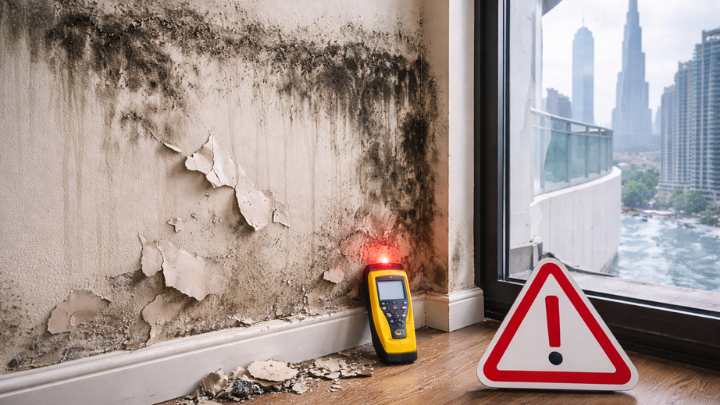
    damp facade walls

    Visible Signs of Damp Facade Walls

    The first indicators are usually visual. Discoloration on exterior walls, such as dark patches or uneven stains, suggests prolonged moisture exposure. Peeling or bubbling paint occurs when trapped moisture pushes coatings away from the wall surface. In some cases, efflorescence appears as a white, powdery residue, formed when moisture draws salts from within the wall and deposits them on the surface as it evaporates.

    Structural Changes That Indicate Moisture Damage

    Beyond surface appearance, damp facade walls can cause physical changes in building materials. Soft or weakened plaster near affected areas indicates long-term moisture absorption. Cracks forming around windows, balcony edges, or facade joints often result from repeated moisture exposure combined with thermal expansion and contraction common in Dubai’s climate.

    Why Damp Facade Walls Are Risky in High-Rise Dubai Buildings

    In tall buildings, moisture issues can spread vertically due to gravity and wind-driven rain. Dampness on an upper level may affect multiple floors below, increasing repair scope and cost. Additionally, moisture trapped within facade systems can reduce insulation performance and contribute to indoor air quality concerns. Addressing damp facade walls early helps limit structural stress and supports safer, more efficient building performance.

    4. Rainwater Penetration in Facade During Dubai’s Sudden Storms

    Rainwater penetration in facade systems is a serious concern in Dubai, where sudden storms can overwhelm building exteriors. Understanding how and why water enters facades helps property owners and facility managers take timely preventive measures.

    Why Short but Intense Rainfall Is More Damaging

    Dubai’s rainfall is often brief but heavy, unlike the steady rains seen in temperate climates. This sudden deluge can exceed the drainage and waterproofing capacity of exterior walls. When water accumulates quickly, it can find and exploit even minor cracks or gaps, penetrating deeper into wall layers before evaporating.

    Weak Points in Facade Systems

    Certain areas of a building facade are naturally more vulnerable to water entry. Window joints, expansion joints, and balcony edges are common entry points where sealants or construction tolerances may be insufficient. Even minor deterioration in these areas allows water to seep in, causing dampness, material decay, or mold development inside the walls.

    How Wind Pressure Increases Penetration in Tall Buildings

    In high-rise buildings, wind-driven rain adds an additional challenge. Wind can push water horizontally and upward, forcing it into small gaps that would remain dry under calm conditions. The combination of sudden rainfall and high wind pressure makes tall structures particularly susceptible to facade water penetration, emphasizing the need for regular inspections and preventive maintenance.

    5. Health, Safety, and Property Value Risks

    Facade water leakage and trapped moisture can have consequences that go beyond visible damage, affecting indoor environments, safety, and long-term property value. Understanding these risks is essential for Dubai property owners, where high-rise buildings and premium real estate demand proactive maintenance.

    Indoor Environment and Safety Concerns

    Moisture infiltration can degrade indoor air quality over time. Damp walls and hidden leaks create conditions conducive to mold and mildew growth. While individual sensitivity to mold varies, prolonged exposure to indoor dampness can contribute to respiratory discomfort or allergic reactions. Moisture can also reach electrical systems within walls, creating potential hazards. Early detection and professional intervention are critical to ensure safety and maintain a healthy indoor environment.

    Impact on Property Value and Maintenance Costs

    Persistent moisture issues can reduce the structural integrity of facades and compromise interior finishes, leading to higher repair costs. In Dubai’s competitive real estate market, visible signs of damp walls or water penetration can negatively influence property valuation and resale potential.

    Addressing facade water leakage early not only protects building performance but also preserves long-term investment value. Regular inspections, timely waterproofing, and professional repairs are key preventive measures that safeguard both safety and financial interests.

    6. How Professionals Diagnose Facade Moisture Issues Accurately

    Identifying moisture problems in facades requires specialized knowledge and tools. Professional inspections go beyond surface-level observation, providing accurate insights into the condition of exterior walls and hidden layers. In Dubai, where high-rise buildings and unique construction materials are common, relying on professional assessment ensures both safety and long-term building performance.

    Non-Destructive Testing Methods

    Experts use non-destructive testing (NDT) techniques to detect moisture without damaging the facade. Tools like infrared thermography, moisture meters, and ultrasonic testing allow inspectors to locate damp areas, water ingress paths, and insulation wetness behind walls. These methods provide precise information about moisture distribution, helping professionals identify problems early before they escalate.

    Moisture Mapping and Sealant Inspections

    Moisture mapping involves systematically measuring and recording moisture levels across the facade to pinpoint high-risk zones. Professionals also evaluate the condition of sealants and waterproofing layers, checking for cracks, shrinkage, or failed adhesion. These inspections highlight weak points where water could enter during heavy rainfall or high humidity periods common in Dubai.

    DIY inspections often miss these hidden issues. Without the right tools and technical knowledge, subtle moisture accumulation and compromised sealants can go unnoticed, allowing damage to progress over time. Professional assessment combines experience, accurate measurement, and understanding of material behavior under local climatic conditions, providing actionable insights to protect building integrity.

    7. Preventive Measures for Long-Term Facade Protection in Dubai

    Protecting facades from water damage in Dubai starts with applying proper waterproof coatings designed for extreme heat, UV exposure, and occasional heavy rainfall. Regular, scheduled facade inspections help identify early signs of moisture infiltration before they develop into structural issues, while using climate-appropriate materials such as durable sealants, high-quality cladding, and corrosion-resistant reinforcements enhances long-term performance.

    Compliance with UAE building standards ensures that construction and maintenance practices meet local regulations for safety and durability, reducing the risk of water penetration, structural deterioration, and costly repairs. By combining these measures, property owners can maintain facade integrity, indoor comfort, and building value over time.

    8. When Facade Water Leakage Requires Immediate Action

    While some facade moisture issues develop slowly, certain situations require urgent attention to prevent structural damage, safety hazards, or costly repairs. Recognizing these warning signs helps building owners make responsible decisions and prioritize professional intervention.

    Rapid Spread of Damp Patches and Interior Damage

    If damp patches appear suddenly or expand quickly across exterior walls, it indicates active water infiltration. When moisture reaches interior walls, ceilings, or finishes, it can compromise plaster, paint, and insulation. Early detection and immediate assessment by professionals are crucial to prevent further deterioration and maintain structural integrity, especially in Dubai’s high-rise buildings where damage can propagate across multiple floors.

    Water Near Electrical Points or High-Risk Areas

    Water intrusion near electrical outlets, wiring, or distribution panels poses serious safety risks. Even small leaks can create conditions for short circuits or electrical hazards if left unchecked. Prompt action including turning off affected circuits and arranging professional inspection is essential to protect both occupants and property value. Prioritizing these high-risk areas reinforces responsible, safety-focused building management.

    Conclusion

    Early awareness of facade water leakage and moisture problems is essential for maintaining building safety and long-term value in Dubai’s challenging climate. Prompt detection of damp patches, rainwater penetration, or structural weaknesses not only saves on costly repairs but also helps prevent health and safety risks. Professional assessment ensures that issues are accurately identified and addressed before they escalate, allowing property owners to protect both their buildings and occupants with confidence.

    FAQS

  • Repainting Old Apartments to Look New in Dubai Homes

    Repainting Old Apartments to Look New in Dubai Homes

    Old apartment, tired walls, faded colors, and that “this place needs help” feeling? You’re not alone. In Dubai’s fast-moving rental and real estate market, an outdated apartment can quietly drain its value. The good news? Repainting old apartments to look new is one of the smartest, fastest, and most cost-effective upgrades you can make whether you’re a landlord, homeowner, or tenant preparing for handover.

    1. Why Repainting Old Apartments Is a Smart Move in Dubai

    In Dubai’s fast-paced real estate market, first impressions matter more than ever. Old apartments may be structurally sound, but worn-out walls, faded colors, and visible marks can instantly reduce their appeal. Repainting is a smart, cost-effective solution that refreshes interiors, improves living comfort, and boosts property value without the need for major renovation work.

    Enhances Property Value Without Major Renovation

    Repainting old apartments instantly upgrades their visual appeal and makes the space feel newer, cleaner, and more modern. In Dubai, where tenants and buyers often judge a property within seconds, fresh paint can significantly increase perceived value. Neutral and professionally applied colors create a move-in-ready look, helping landlords command better rental prices or negotiate stronger resale deals all without the high costs associated with full renovations.

    Improves Tenant Appeal and Faster Occupancy

    A freshly repainted apartment attracts quality tenants more quickly because it signals proper maintenance and care. Clean, bright walls make rooms appear larger and more welcoming, which is especially important in Dubai’s competitive rental listings. Apartments that look well-maintained are more likely to be rented faster, reducing vacancy periods and ensuring steady rental income for property owners.

    Protects Walls from Dubai’s Climate Conditions

    Dubai’s heat, humidity, and frequent air-conditioning can cause paint to crack, peel, or discolor over time. Repainting with climate-appropriate, moisture-resistant paints helps protect walls from long-term damage. This not only improves appearance but also extends the life of the surfaces, preventing costly repairs in the future and maintaining the apartment’s overall condition.

    2. Repainting Old Apartments to Look New – Strategic Planning Matters

    Repainting an old apartment isn’t just about choosing a color and starting the job it’s about strategic planning. In Dubai, where time, budget, and property standards all matter, a well-planned repainting project ensures better results, longer-lasting finishes, and maximum return on investment. Proper planning helps avoid delays, unnecessary costs, and disappointing outcomes.

    Assessing Wall Condition Before Repainting

    Before any repainting begins, a thorough assessment of the apartment’s wall condition is essential. Older apartments in Dubai often have hidden issues such as hairline cracks, water stains from AC leaks, peeling paint due to humidity, or uneven surfaces from previous patchwork.

    Identifying these problems early allows for proper repairs, surface leveling, and priming, ensuring the new paint adheres correctly and looks flawless. Skipping this step can cause the fresh paint to fail prematurely, leading to visible imperfections and frequent touch-ups.

    Choosing the Right Paint Type and Finish

    Strategic planning also involves selecting paint types and finishes suited to Dubai’s climate and apartment usage. High-quality, washable, and moisture-resistant paints are ideal for living rooms and bedrooms, while anti-fungal or water-resistant coatings work best for kitchens and bathrooms.

    The right finish such as matte for minor wall flaws or satin for easy cleaning can dramatically improve both appearance and durability. Thoughtful paint selection reduces maintenance needs and keeps apartments looking new for years.

    Scheduling Repainting for Minimum Disruption

    Timing plays a critical role when repainting old apartments, especially in rental properties. Planning the repaint during vacant periods, before tenant move-in, or ahead of property inspections helps avoid disruptions and delays. Professional repainting teams in Dubai can complete jobs quickly when schedules are well-coordinated, ensuring faster project completion.

    Strategic scheduling not only saves time and labor costs but also allows the apartment to return to the market sooner, maximizing rental or resale potential.

    3. DIY vs Professional Repainting for Old Apartments

    When repainting an old apartment, many property owners in Dubai face the same question: Should I do it myself or hire professionals? While DIY painting may seem budget-friendly at first, older apartments come with challenges that often make professional repainting the smarter long-term choice. The comparison below highlights the real differences so you can decide wisely.

    AspectDIY RepaintingProfessional Repainting
    Cost EfficiencyLower upfront cost but higher risk of mistakes, rework, and wasted paintHigher initial cost but better value with long-lasting results
    Quality of FinishUneven coats, visible brush marks, and missed spots are commonSmooth, consistent, and flawless finishes using proper tools
    Wall PreparationLimited knowledge of crack repair, sanding, and primingFull surface assessment, repairs, priming, and expert preparation
    Time RequiredTakes longer, especially for beginnersFast, efficient completion within 1–3 days
    Paint SelectionOften uses generic or low-quality paintUses climate-appropriate, durable paints for Dubai conditions
    Cleanliness & SafetyMessy work, paint spills, and safety risksClean, organized, and insured professionals
    Long-Term DurabilityPaint may peel or fade quicklyLonger-lasting finish with fewer touch-ups

    repainting old apartments

    4. How to Maintain a Freshly Repainted Apartment

    Maintaining a freshly repainted apartment doesn’t require much effort, but a few simple habits can make a big difference. In Dubai’s climate, regular care helps keep walls clean, bright, and damage-free for a longer time.

    • Dust walls weekly using a soft cloth
    • Clean stains gently with mild soap and water
    • Avoid harsh cleaners and abrasive sponges
    • Fix water or AC leaks as soon as possible
    • Use exhaust fans in kitchens and bathrooms
    • Keep furniture slightly away from walls
    • Install door stoppers to prevent wall damage
    • Touch up small marks before they spread

    Conclusion

    Repainting old apartments to look new is one of the smartest and most cost-effective upgrades in Dubai’s competitive property market. With the right planning, quality materials, and proper maintenance, fresh paint can dramatically improve appearance, protect walls from climate damage, and increase rental or resale value. Whether you are a landlord, homeowner, or tenant, investing in professional repainting helps your apartment stay modern, clean, and market-ready for years to come.

    FAQs

  • Pest Bite Skin Reaction – Causes Symptoms & Treatment in Dubai

    Pest Bite Skin Reaction – Causes Symptoms & Treatment in Dubai

    Pests aren’t just a nuisance they can directly affect your health. One of the most common concerns in Dubai households is pest bite skin reaction, which occurs when insects such as mosquitoes, bed bugs, or fleas bite, leaving red, itchy marks. These reactions range from mild irritation to severe allergic responses that require medical attention. Understanding how to identify, treat, and prevent these reactions is crucial for maintaining a safe and healthy home environment in Dubai’s warm climate, where pests thrive year-round.

    1. Why Pest Bites Cause Skin Reactions

    Pest bites don’t just leave red marks, they trigger a range of reactions in the skin due to the body’s natural defense mechanisms. Understanding the science behind these reactions helps you manage bites effectively and prevent complications. In Dubai, where pests like mosquitoes, bed bugs, and fleas are common, knowing why bites cause irritation is especially important for families and households.

    Immune System Response to Pest Saliva or Venom

    When a pest bites, it injects saliva, venom, or other chemical substances into the skin. These substances often contain proteins that the human body recognizes as foreign invaders. In response, the immune system releases histamines and other chemicals to fight off what it perceives as a threat.

    This immune response results in redness, swelling, and itching around the bite area. The intensity of the reaction depends on an individual’s sensitivity and how often they have been exposed to similar bites, which explains why some people experience severe irritation while others barely notice it.

    Allergic Reactions and Sensitivity Differences

    Not everyone reacts to pest bites in the same way. Some individuals have allergic sensitivities that trigger exaggerated reactions. For example, a mosquito bite on one person might result in a small red bump, while another person could develop large, itchy welts that last for several days.

    In some cases, repeated exposure to pests like bed bugs or fleas can increase sensitivity over time, making subsequent bites more severe. This variability is why recognizing early symptoms and taking proper preventive or treatment measures is essential, especially for children, elderly people, and those with underlying health conditions.

    Secondary Factors That Intensify Skin Reactions

    Apart from the initial bite, several factors can worsen skin reactions. Scratching the bite area, for instance, can damage the skin’s protective barrier, allowing bacteria to enter and cause infections. Environmental factors, such as Dubai’s hot and humid climate, can also exacerbate itching and inflammation by increasing skin sensitivity.

    Additionally, the location of the bite such as areas with thinner skin or where clothing rubs can make reactions more pronounced. Understanding these secondary factors helps homeowners take proactive steps, like using anti-itch creams, avoiding scratching, and maintaining a clean environment to minimize the risk of infection and prolonged irritation.

    2. Signs and Symptoms of Pest Bite Skin Reactions

    Recognizing the signs of a pest bite early is essential to prevent complications and provide timely treatment. Skin reactions can vary depending on the type of pest, individual sensitivity, and severity of the bite. Understanding these symptoms helps you identify the pest and take appropriate action before the irritation worsens.

    SymptomDescriptionPossible Cause
    Red, raised bumpsSmall, swollen spots that appear immediately or within a few hoursMosquitoes, bed bugs, or fleas
    Intense itchingPersistent or severe itching at the bite siteHistamine release triggered by pest saliva
    Blisters or hivesFluid-filled bumps or large welts forming around the biteAllergic reactions or sensitive skin
    Swelling or warmthLocalized swelling with a warm feeling around the biteImmune response to bite venom or saliva
    Pain or discomfortMild to moderate pain, sometimes throbbingBites from ants, spiders, or stinging insects
    Secondary infectionPus, redness, or spreading irritation due to scratchingBacterial infection from broken skin
    Patterned bitesBites appearing in lines, clusters, or specific areasBed bugs often leave linear bite marks
    Delayed reactionsRedness or swelling appearing hours to days after biteAllergic reactions or repeated exposure

    3. Effective Home Remedies for Pest Bite Skin Reaction

    Not every pest bite requires a trip to the doctor. Many mild skin reactions can be treated safely at home using simple remedies. These methods help reduce itching, swelling, and redness while promoting faster healing. They are especially useful for common bites from mosquitoes, fleas, or bed bugs in Dubai’s climate.

    Cold Compress: Apply a cold pack or ice wrapped in a cloth to the bite for 10–15 minutes. This helps reduce swelling, numb the area, and relieve itching. Repeat several times a day for maximum effect.

    Aloe Vera Gel: Known for its soothing and anti-inflammatory properties, fresh aloe vera gel can calm irritation and promote skin healing. Apply directly to the affected area multiple times a day.

    Honey: Raw honey acts as a natural antibacterial agent and can prevent infection while reducing inflammation. Dab a small amount on the bite and leave it for 15–20 minutes before rinsing.

    Oatmeal Paste: Mix oatmeal with water to form a paste and apply it to the bite. Oatmeal contains compounds that reduce itching and soothe inflamed skin.

    Baking Soda Paste: Combine baking soda with a little water to make a thick paste and apply it to the bite. It neutralizes the skin’s pH, reducing irritation and redness.

    Tea Tree Oil: This essential oil has antiseptic and anti-inflammatory properties. Dilute with a carrier oil and apply lightly to prevent infection and speed healing.

    Calamine Lotion: A classic remedy for itchy skin, calamine lotion cools the area and alleviates itching while protecting against scratching-induced infections.

     pest bite skin reaction (1)

    4. How Professional Pest Control Reduces Skin Reactions

    Professional pest control is more than just keeping your home free from pests it directly helps reduce pest bite skin reactions by eliminating the source of bites and preventing future infestations. In Dubai, where mosquitoes, bed bugs, and fleas thrive, relying on expert services ensures your family’s skin health and overall safety.

    Targeted Pest Elimination

    Professional pest control services identify the exact type of pests infesting your home and use specialized treatments tailored to eliminate them. By addressing the root of the problem, the risk of repeated bites decreases significantly. For example, bed bugs hiding in mattresses or mosquitoes breeding in stagnant water are removed systematically, reducing the likelihood of skin reactions caused by repeated exposure. Targeted elimination is much more effective than DIY methods, which often miss hidden pests and leave the risk of bites intact.

    Prevention of Recurrent Bites

    Beyond immediate pest removal, professional services implement preventive measures to stop pests from returning. This includes sealing entry points, treating breeding areas, and providing guidance on maintaining a clean, pest-free environment.

    By minimizing the chance of future infestations, homeowners experience fewer bite incidents and lower occurrences of itchy, inflamed skin reactions. Consistent prevention also protects children and sensitive individuals from severe allergic responses.

    Safe and Effective Treatments

    Expert pest control companies in Dubai, such as DubaiClean, use products that are both effective against pests and safe for humans and pets. These treatments target pests without causing skin irritation or exposing residents to harmful chemicals. By combining safe application with high efficacy, professional pest control reduces the risk of bites and subsequent skin reactions while maintaining a healthy home environment.

    Expert Advice and Ongoing Support

    Professional pest controllers don’t just treat infestations; they educate homeowners on pest management strategies. Advice may include proper waste disposal, moisture control, and regular inspections to spot early signs of pests.

    This knowledge empowers residents to act quickly if pests reappear, minimizing bite incidents and associated skin problems. Ongoing support from a trusted service ensures a pest-free home year-round, reducing the likelihood of discomfort from skin reactions.

    Conclusion

    Pest bites are more than just minor annoyances; they can cause redness, itching, swelling, and even serious allergic reactions if left untreated. Understanding why bites trigger skin reactions, recognizing the signs and symptoms, and applying effective home remedies are essential for protecting your family. However, prevention remains the most powerful strategy. Professional pest control services, like DubaiClean, not only eliminate pests but also prevent future infestations, reducing the risk of skin reactions and keeping your home safe, clean, and healthy.

    faqs

  • How to Remove Grease, Stains & Burnt Food from Kitchen Walls and Cabinets

    How to Remove Grease, Stains & Burnt Food from Kitchen Walls and Cabinets

    A greasy kitchen wall, burnt food stuck on pans, and stubborn counter stains are more than just an eyesore; they can harbor bacteria and compromise your family’s health. Maintaining a clean kitchen isn’t just about looks; it’s essential for hygiene, safety, and a healthier home environment. In this expert-backed guide, we reveal safe and effective methods to tackle grease, stains, and burnt food without harmful chemicals. From walls and cabinets to counters and pans, discover professional tips that make deep cleaning simple and reliable.

    1. How to Remove Grease from Kitchen Walls

    Grease from cooking oils and fumes easily sticks to kitchen walls, creating a sticky layer over time. Left unattended, it can attract bacteria, promote mold growth, and make surfaces slippery. Regular cleaning not only keeps your kitchen looking fresh but also ensures a safer, healthier environment for your family.

    Use a mild detergent or vinegar-based solution to safely break down grease without damaging your walls. Apply the solution with a soft cloth or sponge, scrubbing gently in circular motions. For tough spots, let the solution sit for a few minutes before wiping clean. Understanding this helps you tackle the problem effectively before it worsens.

    Improve kitchen ventilation and use exhaust fans or windows while cooking. Install splash guards near stoves and wipe walls regularly to prevent accumulation. A quick weekly wipe-down keeps walls looking fresh and hygienic. Regularly check and clean vents and filters to ensure optimal airflow and reduce grease buildup over time.

    2. How to Clean Burnt Food from Pans

    Burnt food on pans is a common kitchen frustration that can ruin cookware if not treated properly. Different pan materials non-stick, stainless steel, or cast iron require specific cleaning methods to avoid damage. Using safe, expert-recommended techniques like baking soda, vinegar, or specialized cleaners can restore pans effectively. Following proper cleaning and maintenance ensures your pans last longer while keeping your meals safe and hygienic

    Pan TypeRecommended Cleaning MethodSafety Tip
    Non-stickSoak in warm water with baking soda, gentle scrubAvoid metal scrubbers to protect coating
    Stainless SteelBoil water with baking soda or vinegar, scrubDo not use harsh abrasives that scratch
    Cast IronScrub with coarse salt and warm water, dry immediatelyRe-season after cleaning to prevent rust

    • Avoid cooking on high heat for long periods to prevent food from sticking and burning.
    • Maintain pan coatings by seasoning cast iron and using non-stick-safe utensils.
    • Always soak pans immediately after cooking to make burnt food easier to remove, reducing the need for harsh cleaners and protecting your health.
    remove stains from kitchen

    3. Remove Stains from Kitchen Counters

    Kitchen counters: come in a variety of materials granite, marble, laminate, and quartz each requiring specific cleaning care to prevent damage. Identifying your counter type is the first step to choosing the right stain removal method and protecting your investment. Stains like coffee, tomato sauce, oil, or wine can quickly become stubborn if not treated properly. Knowing which cleaners are safe for your specific countertop ensures both effectiveness and long-term durability.

    Expert-recommended techniques: include using natural remedies like baking soda or vinegar for mild stains, and safe commercial cleaners for tougher marks. Regular cleaning, prompt stain removal, and sealing natural stone surfaces help maintain counters’ appearance and longevity, ensuring a hygienic and safe food preparation area.

    4. Cleaning Greasy Kitchen Cabinets

    Kitchen cabinets often accumulate grease from cooking aerosols, oils, and fingerprints, making them look dull and unhygienic. Regular cleaning is essential to maintain their appearance and prevent bacterial growth. Using safe, non-toxic methods ensures your cabinets stay clean without compromising your health.

    • Use a non-toxic degreasing spray or mild detergent for daily cleaning.
    • Wipe cabinets with a microfiber cloth to avoid scratches.
    • Make a homemade solution of vinegar and water for stubborn grease.
    • Clean cabinet handles and edges regularly where grease builds up fastest.
    • Install cabinet liners to prevent future grease accumulation and simplify cleaning.

    Maintaining clean cabinets is easier when you follow a regular wipe-down routine and address spills immediately. Safe cleaning practices protect both your family’s health and the longevity of your cabinets. With consistent care, your kitchen will stay fresh, hygienic, and visually appealing.

    5. Safety & Health Considerations

    • Always use non-toxic, food-safe cleaners for surfaces where food is prepared.
    • Wear gloves to protect your skin from harsh chemicals or prolonged exposure.
    • Ensure proper ventilation while cleaning to avoid inhaling fumes.
    • Avoid mixing different chemical cleaners, which can create harmful reactions.
    • Use separate cloths or sponges for raw food areas to prevent cross-contamination.
    • Rinse surfaces thoroughly after cleaning to remove any chemical residue.
    • Store cleaning agents in labeled containers and follow manufacturer instructions for safe use.

    Conclusion

    As you wrap up your kitchen cleaning journey, it’s worth noting that maintaining a spotless home is more than a chore; it’s a commitment to health, hygiene, and peace of mind. DubaiClean Deep Cleaning Services stands out in Dubai for professional kitchen and home cleaning, backed by hundreds of satisfied customers and a strong reputation for thorough, detailed‑oriented service. Choosing a reputed service like DubaiClean not only keeps your kitchen shining but also supports a healthier home environment you can feel confident about. 

    Frequently Asked Questions