
Clean carpets do more than just improve the look of your home-they play a vital role in maintaining a healthy living environment. Dust, allergens, and bacteria can accumulate deep within carpet fibers, affecting air quality and triggering allergies. Regular carpet cleaning not only removes these harmful particles but also keeps your floors looking fresh and vibrant. Routine maintenance and professional cleaning can significantly extend the life of your carpets. Over time, dirt and grime can wear down fibers, causing discoloration and damage. By investing in consistent carpet cleaning, you protect your investment, enhance comfort, and ensure a safer, more hygienic home or office.
Types of Carpet Cleaning Methods
Carpets come in different materials and textures, so choosing the right cleaning method is essential. Each technique has its benefits, depending on the level of dirt, carpet type, and cleaning frequency.
Steam Cleaning (Hot Water Extraction)
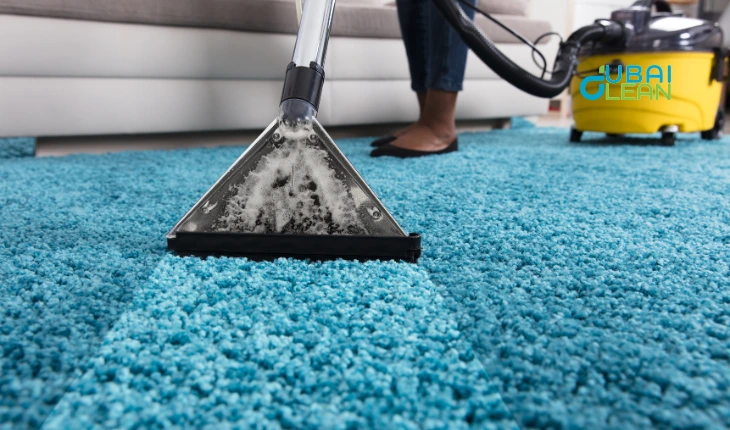
Steam cleaning uses hot water mixed with cleaning solutions that are injected into the carpet fibers under high pressure. This method loosens dirt, stains, and bacteria, which are then extracted with powerful suction.
- Ideal for thoroughly cleaning homes that experience heavy foot traffic.
- Benefits: Removes bacteria, allergens, and stubborn dirt effectively.
Dry Carpet Cleaning
Dry carpet cleaning uses minimal moisture, often in the form of special powders or cleaning compounds, to absorb dirt from the fibers. The compounds are brushed into the carpet and then vacuumed out.
- Best for: Quick cleaning and delicate carpets that cannot tolerate water.
- Benefits: Fast drying time, no risk of mold or mildew growth.
Shampooing
Carpet shampooing involves applying a foamy detergent to the carpet and scrubbing it to lift dirt. Afterward, the carpet is rinsed and dried.
- Best for: Traditional deep cleaning of residential carpets.
- Tips: Avoid over-wetting to prevent residue build-up and ensure proper drying.
Encapsulation Cleaning
Encapsulation uses polymer-based cleaning agents that crystallize dirt particles. Once dry, the crystals are vacuumed, leaving the carpet clean.
- Best for: Modern cleaning with minimal downtime.
- Pros: Efficient for routine cleaning, uses less water.
- Cons: Might be less effective at removing deeply embedded stains compared to steam cleaning.
Bonnet Cleaning
Bonnet cleaning is a surface-level method commonly used in commercial spaces. A rotating buffer with an absorbent pad is used to lift dirt from the carpet surface.
- Best for: Offices, hotels, and areas with light to moderate dirt.
- Benefits: Quick, cost-effective, and suitable for high-traffic areas.
DIY vs Professional Carpet Cleaning
Deciding whether to clean your carpets yourself or hire professionals depends on your budget, available time, and the severity of dirt or stains. Both methods have advantages, but understanding their differences ensures the best results.
DIY Carpet Cleaning Tips
DIY carpet cleaning can save money and help maintain your carpets between professional cleanings. Simple steps like regular vacuuming, prompt spot cleaning, and using homemade solutions (such as vinegar or baking soda) can make a significant difference.
- Tools Needed: Vacuum cleaner, carpet brush, microfiber cloths, and spray bottles for cleaning solutions.
- Tips: Always test homemade solutions on a small, hidden area to avoid discoloration. Consistent DIY maintenance prevents dirt buildup and prolongs carpet life.
Professional Carpet Cleaning Services
Professional carpet cleaning offers a deep, thorough clean that DIY methods often cannot achieve. Experts use industrial-grade equipment, specialized cleaning solutions, and techniques tailored to your carpet type.
- Advantages: Removes deep-seated dirt, stubborn stains, and allergens more effectively than DIY methods.
- How It Works: Professionals assess your carpet, choose the best cleaning method (steam, dry, or encapsulation), and ensure carpets are properly dried to prevent mold and damage.
Common Stains and How to Remove Them
Carpets are prone to spills, pet accidents, and everyday mishaps that can leave stubborn stains. Knowing the right techniques for each type of stain helps maintain a clean, fresh, and long-lasting carpet while preventing permanent damage.
Food and Drink Stains
Spills like coffee, juice, wine, or oily foods are among the most common carpet stains.
- Techniques: Blot the spill immediately with a clean cloth to absorb excess liquid. Use a mild detergent mixed with water or a carpet-safe stain remover for deeper cleaning. Avoid rubbing, as it can push the stain deeper into the fibers.
- Tip: Act fast-fresh stains are easier to remove than old, set-in stains.
Pet Stains
Pet accidents not only stain carpets but can leave unpleasant odors and bacteria.
- Odor Removal: Blot the area first, then use an enzyme-based cleaner that breaks down urine or feces at a molecular level.
- Tip: Regularly clean pet areas and use protective mats to reduce carpet damage.
Ink and Dye Stains
Ink or dye from pens, markers, or clothing can be tricky to remove.
- Safe Methods: Use rubbing alcohol or a commercial carpet stain remover applied gently with a cloth. Always test on a hidden spot first to avoid discoloration. Blot, don’t rub, and repeat until the stain lifts.
- Tip: Prompt treatment is key to preventing permanent staining.
Carpet Maintenance Tips
Proper maintenance is key to keeping your carpets looking fresh and lasting longer. Simple habits can prevent dirt buildup, fiber wear, and stains, saving you time and money on professional cleaning.
Regular Vacuuming and Rotation
Vacuum carpets at least once or twice a week to remove dust, dirt, and allergens. Rotating rugs and carpeted areas helps even out wear and prevents uneven fading, especially in high-traffic zones.
Use of Protective Mats and Carpet Pads
Place mats at entrances to trap dirt and moisture before it reaches your carpet. Carpet pads underneath rugs or heavy furniture reduce stress on the fibers, improving durability and comfort.
Avoiding Heavy Furniture Damage
Furniture can leave permanent dents or tears if not handled carefully. Use furniture coasters or lift items instead of dragging them. Rearranging furniture periodically can also help distribute weight evenly and reduce long-term damage.
Danger & Safety Considerations
While carpet cleaning keeps your home fresh and healthy, certain risks must be considered to ensure safety for you, your family, and pets. Proper precautions prevent accidents and long-term issues.
Chemical Exposure Risks
Many carpet cleaners contain harsh chemicals that can irritate the skin, eyes, or respiratory system.
- Tips: Always wear gloves and masks when handling cleaning solutions. Ensure proper ventilation in the room and follow the product instructions carefully to minimize inhalation and contact risks.
Mold and Bacteria Growth
Damp carpets left to dry improperly can become breeding grounds for mold, bacteria, and mildew.
- Tips: Use fans or dehumidifiers after cleaning to accelerate drying. Avoid walking on wet carpets and consider professional help for deep cleaning to reduce microbial growth.
Electrical Hazards
Carpet cleaning often involves steam cleaners, vacuum machines, and other electrical devices. Improper handling can cause shocks or short circuits.
- Tips: Check cords for damage, avoid overloading outlets, and keep electrical devices away from water. Always unplug equipment when not in use.
Allergies and Sensitivities
Some people are sensitive to chemical cleaners, fragrances, or dust released during cleaning.
- Tips: Use hypoallergenic, non-toxic products whenever possible. Keep children and pets away during cleaning, and vacuum thoroughly afterward to remove residues.
Conclusion
Regular carpet cleaning is essential for maintaining a healthy, fresh, and visually appealing home or office. By removing dust, allergens, and stains, you not only improve air quality but also extend the life of your carpets. Choosing the right cleaning method-whether steam cleaning, dry cleaning, or professional services-depends on your carpet type, level of dirt, and specific needs. Combining proper cleaning techniques with consistent maintenance, such as vacuuming and using protective mats, ensures your carpets remain clean, safe, and long-lasting.Investing time and care in carpet maintenance creates a more comfortable, hygienic, and beautiful living space for everyone.