
Nothing compares to the comfort of walking into a house with freshly cleaned carpets. Soft under your feet and welcoming to the eye, clean carpets instantly make a space feel warm, safe, and inviting.But when carpets are neglected, they can quickly lose their charm. A dirty carpet isn’t just unsightly; it can harbor dust, allergens, bacteria, and even unpleasant odors. Over time, this doesn’t just affect the look of your home, but also your health and peace of mind. No one feels truly comfortable in a space that doesn’t feel fresh.
The good news? Reviving your carpets doesn’t have to be complicated. In this guide, we’ll walk you through everything you need to know: how to sanitize carpets properly, restore bleached areas, tackle stubborn grease stains, and even pick the best carpet cleaner for long-term freshness.
1. How to Sanitize Carpet
Carpets may look clean on the surface, but deep within the fibers, they can trap hidden germs, allergens, dust mites, and bacteria. Over time, these build-ups can trigger allergies, asthma, and even unpleasant odors. That’s why regular sanitizing is about more than just appearances it’s about creating a healthier, more comfortable living space.
Step-by-Step Sanitizing Methods
Vacuum Thoroughly (with HEPA if possible)
Start with a deep vacuuming session to remove dust, dirt, and allergens. A vacuum with a HEPA filter is best, as it traps even the tiniest particles that regular vacuums often recirculate into the air.
Try Eco-Friendly or DIY Sanitizers
- Vinegar solution: Create a solution with half water and half white vinegar, spray it lightly on the carpet, and let it air dry
- Baking soda refresh: Sprinkle baking soda over the carpet, let it sit for 20–30 minutes, then vacuum. This neutralizes odors and lifts dirt.
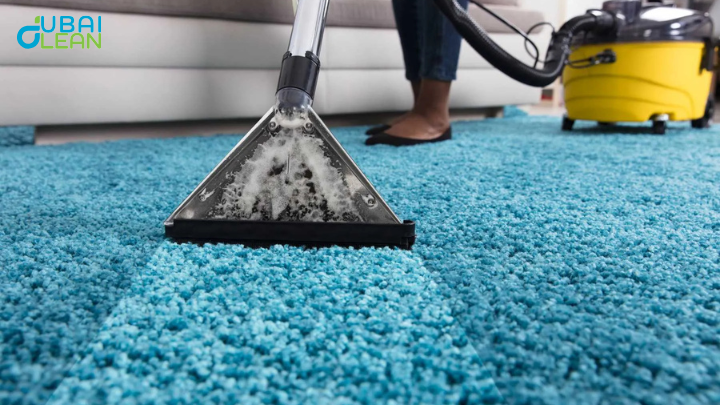
- Steam cleaning: Hot water or steam naturally kills germs without chemicals, making it one of the most effective sanitizing methods.
Professional vs. DIY Steam Cleaning
- DIY: More affordable, great for regular upkeep, and can be done with a rented or purchased steam cleaner.
- Professional: More powerful, penetrates deeper, and ideal for homes with pets, allergies, or stubborn odors.
Extra Tips for a Germ-Free Carpet
- Frequency matters:
- Homes with pets or kids: sanitize every 2–3 months.
- Allergy-prone households: once a month is ideal.
- Low-traffic homes: every 6 months is usually enough.
- Homes with pets or kids: sanitize every 2–3 months.
- Quick spot sanitizing:
For spills or messes, blot immediately (don’t rub!) and apply a mild vinegar or sanitizer solution to prevent bacteria growth.
2.How to Restore Bleached Carpet
Bleach doesn’t merely leave a stain, it changes or strips the color from carpet fibers entirely. Unlike dirt or wine spills, bleach damage is permanent discoloration. What’s left behind is a pale or yellowed patch that stands out against the rest of the carpet.
It can be frustrating to see a light patch on a carpet you’ve invested in and cared for. That single bleached spot can make the whole room look worn out, even if the rest of the carpet is in perfect condition.
DIY Color Restoration Tricks
Carpet Dyes and Fabric Markers
- Carpet dyes (available online or at specialty stores) can help restore color. You’ll need to carefully match the shade to your existing carpet.
- For minor bleached areas, using a permanent fabric or carpet marker can help the spot blend with the surrounding fibers. Apply lightly and gradually to avoid over-darkening.
Blending the Fibers
- Sometimes, trimming loose fibers around the bleached spot or gently brushing the area can make the damage less noticeable.
- In cases where the carpet has multiple shades or patterns, careful blending can help the spot fade into the background.
3. Grease Carpet Remover (Say Goodbye to Stubborn Stains)
Unlike simple spills, grease clings tightly to carpet fibers. Oils seep deep into the pile, resisting water-based cleaning methods and leaving behind dark, shiny patches.A greasy stain in the middle of your living room is more than a cleaning issue. It can feel embarrassing when guests notice, making your carpet look dirty even if you just vacuumed.
Home Remedies That Work
1. Dish Soap & Warm Water Technique
- Mix a few drops of grease-cutting dish soap with warm water.
- Gently blot the stain with a clean cloth, avoiding rubbing, until the grease begins to lift.
- Rinse with plain water and blot dry.
2. Baking Soda or Cornstarch Absorbers
- Cover the stain with a thick layer of baking soda or cornstarch.
- Let it sit for at least 15–30 minutes (overnight for tough spots).
- Vacuum thoroughly to remove the powder and absorbed grease.
These pantry staples work by drawing oils out of the fibers, making the stain easier to remove.
4.Best Grease Remover Products (SEO-Friendly Mentions)
If home remedies don’t fully do the job, try trusted commercial options. Some expert-recommended products include:
- Folex Instant Carpet Spot Remover – safe for most carpets and quick-acting.
- Resolve Carpet Cleaner – widely available and effective on grease stains.
- Bissell Professional Stain & Odor Remover – great for households with pets.
5.Good Carpet Cleaner (Finding Your Best Match)
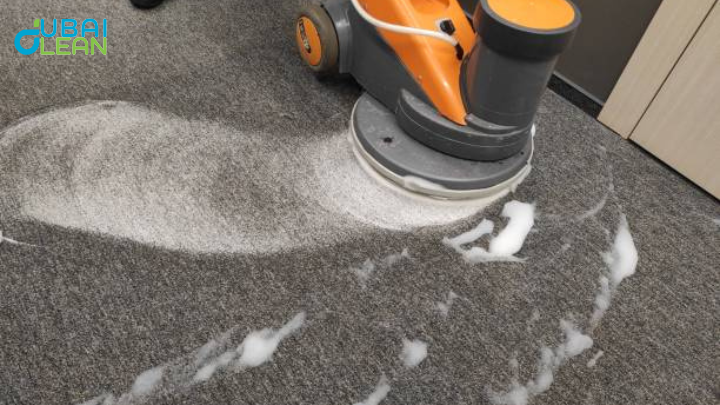
A good carpet cleaner should do more than just remove dirt. It needs to tackle stains effectively while being safe for your family and pets. The best cleaners are non-toxic, easy to use, and won’t break your budget.
When deciding between DIY and store-bought options, consider your needs. Natural solutions like vinegar and baking soda work well for everyday messes, while commercial products and carpet cleaning machines offer deep-cleaning power for tougher jobs. Reliable brands such as Bissell, Hoover, and Resolve are popular choices for their effectiveness and ease of use.
Conclusion
Keeping carpets fresh is about more than looks, it’s about restoring color, tackling grease, and finding the right cleaner for every situation. With a few simple techniques, you can extend your carpet’s life and keep your home inviting.
Clean carpets also mean a healthier, happier space for your family. Try out these tips today, and don’t forget to share your favorite carpet cleaning hack you might inspire someone else to bring new life to their floors.