
Safe water is essential, and selecting the right storage tank helps you save money and stay protected. Whether for your home, farm, or business, having a reliable water storage solution is essential. Proper water storage ensures you have a consistent supply during shortages, protects against contamination, and helps manage water efficiently for daily use or emergency situations.
From lightweight fiber tanks to durable fiberglass tanks, cost-effective PVC tanks, and space-saving elliptical underground tanks, there are multiple options to suit different needs and budgets. Understanding each type will help you make an informed choice and invest in a water tank that meets your long-term requirements.
1. Fiberglass Water Tanks
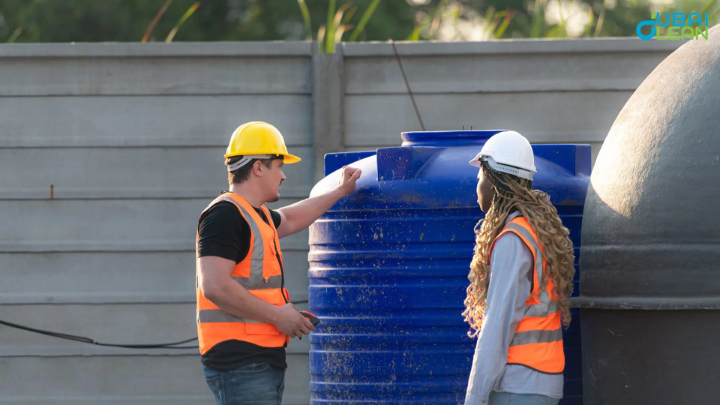
A fiberglass water tank cleaning service in dubai is a storage solution made from reinforced plastic fibers combined with resin, creating a strong and durable container for holding water. The material is lightweight yet exceptionally sturdy, allowing the tank to withstand external pressures and environmental factors without cracking or degrading over time. Fiberglass tanks don’t rust like metal ones, which makes them perfect for humid or coastal regions
Advantages of Fiberglass Water Tanks
- Corrosion Resistance: Fiberglass tanks are highly resistant to rust and corrosion, making them ideal for storing water and chemicals over long periods.
- Lightweight Yet Strong: Despite being lightweight, fiberglass is very strong and can handle significant pressure without cracking or deforming.
- Low Maintenance: These tanks require minimal maintenance compared to metal or concrete alternatives.
- Long Lifespan: With proper care, fiberglass water tanks can last for decades without significant degradation.
- Customizable Shapes and Sizes: Fiberglass tanks can be manufactured in various shapes and sizes to suit specific space and capacity requirements.
- Non-Reactive Material: Safe for storing drinking water and other sensitive liquids because it does not react chemically with the contents.
Ideal Uses
- Residential: Rainwater harvesting, household water storage, and emergency water supply.
- Commercial: Restaurants, hotels, and office buildings needing reliable water storage solutions.
- Industrial: Factories, processing plants, and agricultural operations where large-capacity storage and chemical resistance are essential.
- Situations Where Durability Matters Most: Harsh environments, outdoor installations, and areas with high corrosion risk.
Here’s a clear and detailed explanation for your section on Fiber Water Tanks:
2. Fiber Water Tanks
A fiber water tank is a type of water storage tank made using fiber-reinforced materials. These tanks are widely used for residential, commercial, and industrial water storage due to their durability, lightweight nature, and resistance to corrosion.
Differences and Similarities to Fiberglass Tanks
| Feature | Fiber Water Tank | Fiberglass Tank |
| Material Composition | Typically made from fiberglass reinforced plastic (FRP) or other composite fibers embedded in a resin matrix. | Made from fiberglass, which is glass fibers combined with resin. Essentially, fiberglass tanks are a type of fiber-reinforced tank. |
| Strength & Durability | High tensile strength due to fiber reinforcement; resistant to impact and cracking. | Similar durability, though sometimes more brittle than some newer composite fiber tanks depending on resin used. |
| Weight | Lightweight compared to metal tanks. | Also lightweight, generally similar to fiber tanks. |
| Corrosion Resistance | Excellent resistance to rust, algae, and chemical corrosion. | Excellent as well; often a primary reason for using fiberglass. |
| Manufacturing Flexibility | Can be molded in various shapes and sizes; thickness can be varied based on requirements. | Same flexibility; fiberglass molding allows complex shapes. |
| Cost | May vary depending on the type of fiber used (glass, carbon, aramid, etc.). | Generally comparable, sometimes slightly lower if standard glass fibers are used. |
Materials Used
Fiber water tanks typically use:
- Fibers: used for strength can include glass, carbon, or synthetic materials
- Resins: Polyester, epoxy, or vinyl ester resins act as the binding material.
- Additives: UV stabilizers, fire retardants, or antimicrobial agents to improve longevity.
Manufacturing Process
- Mold Preparation: The desired tank shape is prepared using molds. These can be cylindrical, rectangular, or custom designs.
- Gel Coating: A protective gel coat is applied inside the mold to prevent water leakage and chemical attack.
- Fiber Layup: Layers of fibers are placed over the mold.
- Resin Application: Resin is applied to saturate the fibers, often using hand lay-up, spray-up, or vacuum-assisted resin transfer methods.
- Curing: The composite is cured at room temperature or in an oven to harden the tank.
- Finishing: Tanks are trimmed, polished, and inspected for defects like voids or cracks.
Benefits of Fiber Tanks
Fiber water tanks provide an efficient and practical solution for water storage. Their combination of durability, low maintenance, and cost-effectiveness makes them a popular choice for both residential and small-scale commercial applications.
- Cost-effective solution for water storage
- PVC tanks cost less to make than metal tanks.
- Long-term savings due to resistance to rust, corrosion, and leakage.
- PVC tanks cost less to make than metal tanks.
- Lightweight, flexible, and easy to transport
- Can be handled and installed easily, even in tight spaces.
- Flexible construction helps withstand minor impacts without cracking.
- Can be handled and installed easily, even in tight spaces.
- Minimal maintenance required
- No rusting or corrosion; simple cleaning is usually sufficient.
- Maintains water quality over long periods with minimal effort.
- No rusting or corrosion; simple cleaning is usually sufficient.
When to Choose a Fiber Tank
Fiber tanks are most suitable in situations where lightweight, portable, and low-maintenance water storage is needed. They are ideal for small-scale or temporary setups where convenience and flexibility are more important than very large capacity or permanent installation.
- Best for small-scale water storage
- Perfect for homes, small farms, or offices.
- These tanks can hold drinking water, rainwater, or small amounts of chemicals.
- Perfect for homes, small farms, or offices.
- Temporary or semi-permanent installations
- Lightweight and portable for construction sites or emergency water storage.
- Not ideal for very large, permanent water storage projects.
- Lightweight and portable for construction sites or emergency water storage.
3. PVC Water Tanks
A PVC water tank is a storage container made primarily from Polyvinyl Chloride (PVC), a durable and lightweight plastic. These tanks are designed to safely store water and are often used where corrosion resistance and hygiene are priorities.
Construction Materials:
- Made from high-quality PVC sheets or molded PVC compounds.
- May include reinforcements or layered designs for extra strength.
Comparison with Fiber and Fiberglass Tanks:
- PVC tanks are lightweight, affordable, and highly corrosion-resistant.
- Fiber tanks are stronger than PVC, moderately durable, and cost more.
- Fiberglass tanks are very strong and corrosion-resistant but heavier and more expensive.
Advantages of PVC Tanks
- They are cheap and light, so moving and setting them up is easy.
- They don’t rust and can resist chemicals, making them safe for drinking water and some chemicals.
- Easy to clean and maintain, with smooth surfaces that prevent algae and bacterial growth.
Common Applications
- Homes, schools, and small industries for daily water storage.
- Locations requiring hygienic water storage, ideal for potable water where contamination prevention is important.
4. Elliptical Underground Water Tanks
Underground water storage involves placing water tanks below ground level. This method is ideal because it:
- Saves space above ground, allowing better land utilization.
- Enhances safety, protecting tanks from physical damage and vandalism.
- Maintains temperature stability, keeping water cooler and reducing bacterial growth.
Features of Elliptical Underground Tanks
- Shape benefits: The elliptical design provides greater structural strength and better pressure distribution, making the tank more durable under soil load.
- Materials used: Common materials include reinforced fiberglass, PVC, or concrete lining, chosen for durability and water safety.
Advantages
- Saves above-ground space, making it ideal for urban or limited-area sites.
- They keep water safe from dirt and sunlight, so the water stays clean
- Long-term investment suitable for large-scale water storage, such as in commercial, institutional, or municipal applications.
5. How to Choose the Right Water Tank for Your Needs
Key Considerations
When selecting a water tank, consider the following:
- Budget: Choose a tank that fits your financial plan while ensuring durability and quality.
- Space: Assess available space above-ground or underground options.
- Usage: Determine daily water requirements for your home, farm, or business.
- Water quality needs: Ensure the tank material is suitable for potable water if needed.
Conclusion
Picking the right water tank cleaning company in dubai to clean your water tank is important to keep your water safe. The correct tank helps maintain water quality, prevents contamination, and supports daily needs. It also provides long-term durability, saving costs on frequent replacements. In short, the tank you select directly impacts comfort and reliability.
Before making a decision, carefully evaluate your budget, available space, and usage requirements. Consider the quality of water you need to store and match it with the right material. A wise choice today guarantees peace of mind for years to come. Investing in the right water tank today ensures a lifetime of reliable water tomorrow.