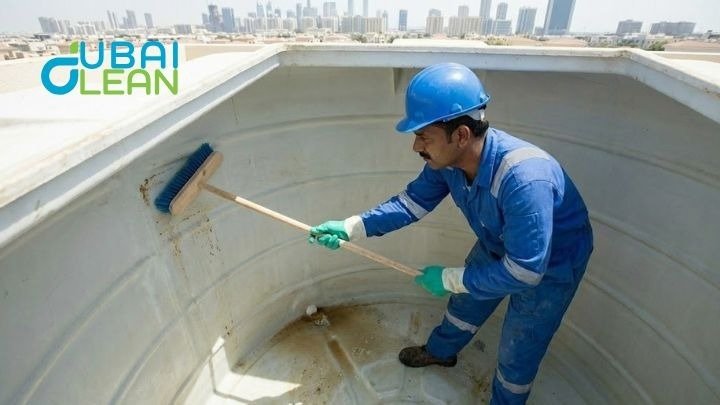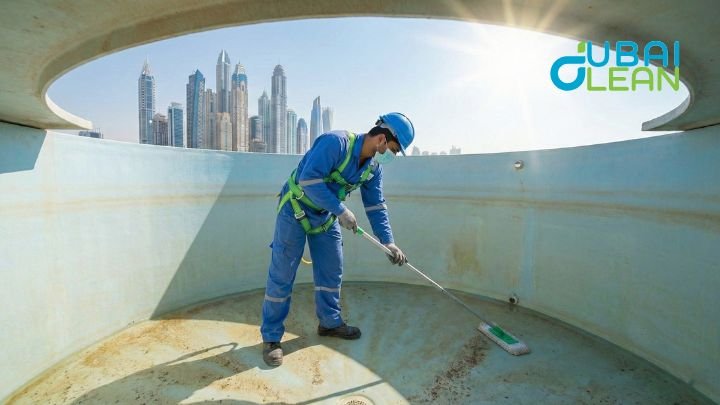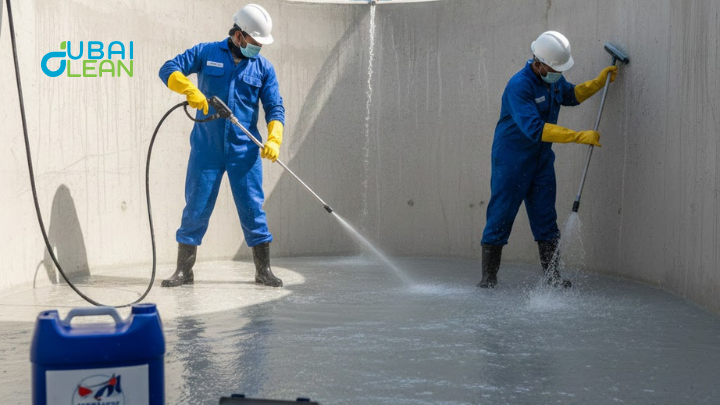
Category: Dubai Water Tank Cleaning

  • Which Water Tank Cleaning Chemical Meets Dubai Health Regulations?

    Which Water Tank Cleaning Chemical Meets Dubai Health Regulations?

    In Dubai, water tank cleaning is regulated under strict public health standards set by Dubai Municipality to protect potable water quality in residential and commercial properties. Using the wrong chemical or applying an approved disinfectant incorrectly can lead to drinking water contamination, serious health complications, and even legal penalties for property owners and facility managers.

    1. Understanding Dubai’s Water Safety Regulations

    Dubai enforces strict potable water safety standards to ensure that stored water in residential, commercial, and high-rise buildings remains safe for human consumption. Compliance is overseen by the Dubai Municipality Public Health & Safety Department, which regulates water tank cleaning chemicals in Dubai, approved disinfectants, and sanitation procedures.

    In addition, UAE federal public health laws governing drinking water quality apply across all emirates, reinforcing mandatory hygiene and safety standards for water tank cleaning chemical use in Dubai.

    Regulatory Authorities Involved

    Water tank cleaning compliance in Dubai is primarily monitored by Dubai Municipality’s Public Health & Safety Department. Their guidelines align with broader UAE federal drinking water safety laws and municipal building health codes. Property owners must ensure maintenance schedules, sanitation practices, and contractor certifications meet these standards to avoid violations.

    What the Regulations Actually Require

    Dubai regulations require the use of approved disinfectants only, typically those recognized for potable water system sanitation. Chemical concentrations must be carefully controlled to remain within safe limits, preventing toxicity or residual contamination. After disinfection, tanks must be properly rinsed, and residual chlorine or disinfectant levels must be tested to confirm safety before reuse. 

    2. Which Chemical Meets Dubai Health Regulations?

    Selecting the correct disinfectant is critical for meeting Dubai Municipality health requirements and ensuring potable water safety. Dubai’s strict regulations are designed to protect residents from waterborne diseases and maintain high hygiene standards in both residential and commercial properties.

    Approved chemicals must effectively eliminate harmful bacteria, viruses, fungi, and biofilm while remaining safe for human consumption when applied at the precise concentration levels mandated by local authorities. Using unapproved or improperly dosed chemicals not only compromises water quality but can also lead to legal penalties.

    Sodium Hypochlorite

    Sodium hypochlorite is the most widely accepted and commonly used disinfectant for water tank cleaning in Dubai. It is highly effective against bacteria, viruses, fungi, and biofilm buildup commonly found in stored water systems. However, compliance depends on using the correct concentration thresholds approved for potable water systems. Overdosing can cause chemical contamination, while underdosing may fail to eliminate pathogens. 

    Hydrogen Peroxide-Based Disinfectants

    Hydrogen peroxide-based disinfectants are used in specific sanitation cases where low chemical residue is preferred. These are sometimes suitable for sensitive systems or where rapid breakdown into non-toxic byproducts is required. Because dosing accuracy is critical to avoid ineffective disinfection or system damage, professional handling and calibrated application equipment are necessary to meet compliance standards.

    Why Bleach or Random Chemicals Are Not Always Safe

    It is important to understand that household bleach is not automatically equivalent to regulated water tank disinfection chemicals. Commercial-grade disinfectants used by certified companies are formulated and dosed according to potable water safety standards.

    Improper dilution, unverified chemical strength, or the use of unapproved substances can lead to serious contamination risks, toxic residues, corrosion of tank materials, and violations of Dubai Municipality regulations.

    3. Chemical Concentration Standards in Dubai

    Dubai Municipality sets strict standards for chemical concentrations to ensure that disinfected water remains safe for consumption. For sodium hypochlorite, the safe chlorination range for potable water tanks typically falls within regulated parts-per-million (ppm) levels, preventing both underdosing, which can leave harmful microorganisms, and overdosing, which can contaminate the water.

    Proper contact time is essential, allowing the chemical sufficient time to neutralize bacteria, viruses, and biofilm before the tank is rinsed. After cleaning, post-disinfection water testing is mandatory to verify residual chlorine levels and confirm the absence of microbial contamination.
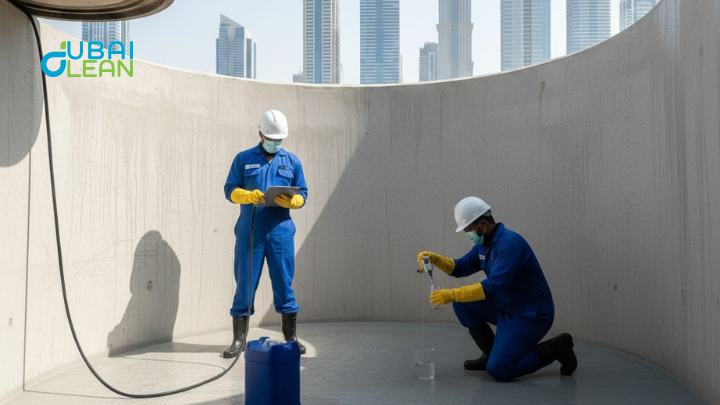
    Certified technicians ensure water tank safety

    4. How Professionals Ensure Compliance

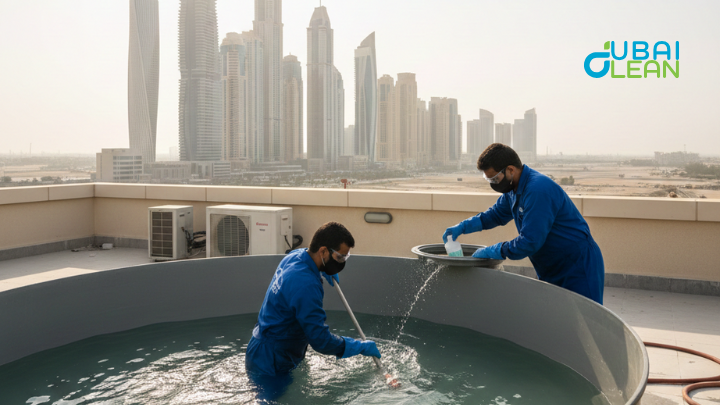
    Ensuring compliance with Dubai water safety regulations requires professional expertise, careful testing, and strict safety measures. Certified technicians from municipality-approved companies handle disinfectants at precise concentrations to eliminate harmful microorganisms while keeping water safe for consumption.

    After cleaning, they conduct residual chlorine and microbial tests to confirm water quality, maintaining proper documentation for regulatory compliance. Safety protocols, including PPE, proper ventilation, and secure chemical storage, protect both workers and residents, ensuring the entire process meets Dubai Municipality standards.

    Certified Technicians

    Water tank cleaning must be carried out by municipality-approved companies whose technicians are trained in correct chemical dosing, handling, and safety procedures. Certified professionals understand the precise concentration requirements for approved disinfectants and are equipped to apply them safely to prevent contamination or chemical hazards.

    Water Testing After Disinfection

    After disinfection, professionals perform residual chlorine testing and microbial safety checks to confirm the water meets potable standards. Proper documentation of these tests is maintained for building records and regulatory compliance, providing legal protection for property owners.

    Safety Equipment & Risk Control

    Technicians follow strict safety protocols, including the use of personal protective equipment (PPE), proper ventilation during chemical application, and secure storage of disinfectants. These measures minimize exposure risks and ensure that both workers and residents remain safe throughout the cleaning process.

    5. Signs Your Water Tank Was Not Properly Disinfected

    A poorly disinfected water tank can pose serious health risks, so it’s important to recognize warning signs. Strong chemical odors or a metallic taste in the water often indicate improper chemical use or overdosing. Cloudy or discolored water suggests residual contamination or ineffective cleaning.

    Rapid algae or microbial regrowth is another clear sign that disinfection was insufficient. Additionally, if the cleaning company does not provide a compliance certificate or testing documentation, it may indicate that the tank cleaning did not meet Dubai Municipality standards, putting residents’ health at risk.

    Conclusion

    Sodium hypochlorite remains the most widely approved and effective chemical for water tank disinfection in Dubai, offering reliable protection against bacteria, viruses, fungi, and biofilm that can compromise potable water. Proper professional handling is essential, as certified technicians ensure correct chemical concentrations, safe application, and thorough post-cleaning testing, minimizing any risk of contamination.

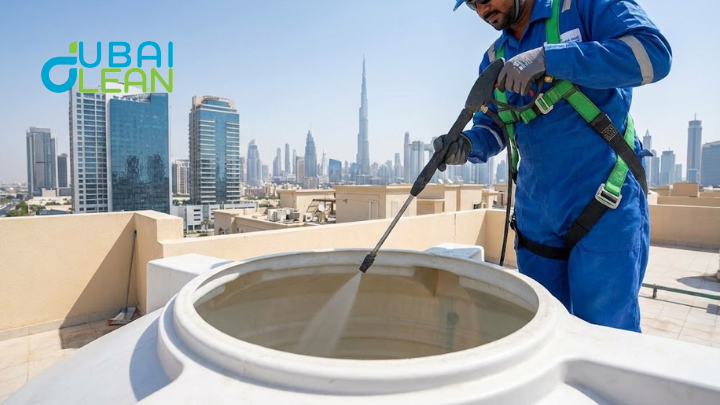
    FAQS

  • Water Tank Disinfection & Safe Sanitization: Complete Guide

    Water Tank Disinfection & Safe Sanitization: Complete Guide

    In the UAE, high-rise residential and commercial buildings rely on clean water for health and safety. Contaminated tanks can harbor bacteria, algae, and other microbes, creating serious risks for drinking, cooking, and daily use. Regular maintenance and proper disinfection are essential to prevent waterborne diseases and unpleasant odors. This guide covers the disinfection & sanitization of water tanks, explaining how to safely use potable water tank disinfection chemicals, select the right type for your tank.

    1. Why Water Tank Disinfection & Sanitization Is Critical

    Neglected or poorly maintained water tanks can harbor bacteria, E. coli, Legionella, and other harmful microbes, putting residents and building occupants at risk of waterborne diseases. Regular water tank disinfection & sanitization is vital in high-rise and commercial buildings to ensure safe water for drinking, cooking, and daily use. Complying with WHO guidelines and Dubai Municipality standards helps maintain water quality, protect public health, and stay aligned with regulations.

    Common Contaminants in Water Tanks

    Water tanks can accumulate contaminants over time, including algae, slime, bacteria, and fungi. These are especially common in tanks exposed to sunlight or cleaned infrequently, and they can affect water quality while causing unpleasant odors.

    Health Impacts of Contaminated Water

    Contaminated water may cause serious health issues, such as stomach infections, skin irritations, and respiratory problems. Young children, older adults, and people with compromised immune systems are especially at risk. Consistent use of potable water tank disinfection chemicals reduces these risks and keeps water safe for everyone.

    2. Types of Water Tank Disinfection Chemicals

    Disinfecting water tanks involves different types of chemicals, each designed for specific purposes, safety requirements, and effectiveness in potable water. The main options include chlorine-based chemicals, hydrogen peroxide, calcium hypochlorite, and eco-friendly alternatives.

    Selecting the right chemical depends on factors like tank material, water usage, and contamination levels. Following proper dosage instructions and safety precautions, including wearing protective gear, is essential to ensure effective disinfection while keeping water safe for use.

    Chlorine & Sodium Hypochlorite

    Chlorine and sodium hypochlorite are among the most widely used disinfectants for water tanks, effectively removing bacteria, algae, and other harmful microorganisms. Approved for potable water use, they must be applied at the correct dosage, too much can leave chemical residues, while too little may allow contaminants to remain. Their reliability and effectiveness make them popular choices for both residential and commercial buildings in Dubai.

    Alternative Eco-Friendly Disinfectants

    For safer or eco-friendly alternatives, hydrogen peroxide and food-grade disinfectants are ideal for potable water tanks. These options are non-toxic, environmentally friendly, and perfect for homes sensitive to harsh chemicals. While they may be slightly less powerful than chlorine for severe contamination, they provide a safe and sustainable solution for maintaining clean water in Dubai homes and offices.

    3. Step-by-Step Guide to Disinfecting a Water Tank

    Disinfecting a water tank requires careful planning, proper chemical use, and strict safety measures to ensure that the water remains safe for drinking and daily use. Using approved potable water tank disinfection chemicals is essential for maintaining water quality, especially in residential and commercial buildings. This step-by-step guide covers preparation, chemical application, required contact time, rinsing procedures, and essential safety checks.

    Potable water tank disinfection

    Safety Preparations Before Disinfection

    Before starting the disinfection process, it is important to take safety precautions. Wear protective gloves and masks to avoid chemical exposure, shut off the water supply, and remove any debris or sediment from the tank. Ensuring a clean and safe workspace reduces contamination risks and protects the health of anyone performing the cleaning.

    Disinfection & Rinsing Process

    Apply the disinfectant at the correct concentration according to manufacturer guidelines. Allow the chemicals to remain in contact with the tank surfaces for the recommended period to effectively eliminate bacteria, algae, and other microbes. After the contact time, thoroughly flush the tank to remove any chemical residues, ensuring the water is safe for consumption. Proper rinsing and verification are critical steps in safeguarding potable water quality.

    4. Safety Precautions & Best Practices

    Handling water tank disinfection chemicals requires strict safety measures to prevent chemical exposure, poisoning, or accidental contamination. Always follow manufacturer guidelines, use proper protective equipment, and avoid mixing chemicals that could react dangerously. Safe handling not only protects the person performing the cleaning but also ensures that the water remains safe for residents and building occupants.

    In Dubai, compliance with local regulations and Dubai Municipality standards is essential when disinfecting water tanks. Regular monitoring, documentation of chemical use, and adherence to approved safety procedures help maintain water quality while meeting legal and public health requirements. These best practices are crucial for maintaining potable water safety in residential and commercial buildings.

    Chemical Safety & PPE

    Always wear protective gloves, goggles, and masks when handling disinfectants. Ensure proper ventilation in the cleaning area and store chemicals in a secure, labeled location away from children and pets. Following these precautions minimizes risks of exposure and accidents during the disinfection process.

    Post-Disinfection Checks

    After cleaning, test the water to confirm it meets potable standards, and thoroughly remove any chemical residues. Verifying that the water is safe for consumption is a critical step to ensure compliance with health regulations and to protect the well-being of residents and building users.

    5. Common Problems & Solutions in Water Tank Disinfection

    Some water tanks may continue to develop algae, slime, or unpleasant odors even after disinfection due to factors like stagnant water, sunlight exposure, or irregular cleaning. Hard-to-clean tanks, such as underground or high-rise storage systems, require careful chemical application, longer contact times, and specialized tools to ensure complete sanitation. Using approved potable water tank disinfection chemicals along with regular maintenance and inspections helps prevent these problems and keeps water safe for everyday use.

    • Some tanks may still develop algae, slime, or foul odors even after disinfection.
    • Causes include stagnant water, sunlight exposure, or irregular cleaning.
    • Regular maintenance and inspections help prevent recurring contamination and keep water safe for daily use.
    • Using approved potable water tank disinfection chemicals ensures effective sanitation.

    Conclusion

    Regular disinfection & sanitization of water tanks is crucial to ensure safe and clean water for both residential and commercial buildings in Dubai. Contaminated tanks can harbor bacteria, algae, and other harmful microbes, putting health at risk, which is why using approved potable water tank disinfection chemicals safely is essential. Following proper dosage, contact times, and rinsing procedures not only protects the water but also prolongs the life of the tank.

    FAQS

  • What Can I Put in My Water Tank to Keep It Clean in Dubai Homes?

    What Can I Put in My Water Tank to Keep It Clean in Dubai Homes?

    Clean water is essential for every home, especially in Dubai, where the hot climate and unique water storage systems make water safety a top priority. Many Dubai homes rely on rooftop or underground water tanks, which, if not properly maintained, can become a breeding ground for harmful contaminants. Common issues include dust and sand entering tanks during windy months, microbial growth fueled by high temperatures and humidity, and stagnant water that promotes bacteria and algae. These problems can affect your family’s health, causing digestive issues, skin irritations, or more serious illnesses if left unaddressed. In this guide, we provide expert-recommended solutions for keeping your water tank clean and safe.

    1. Why Water Tank Cleanliness Matters in Dubai Homes

    Keeping your water tank clean in Dubai is essential to safeguard your family’s health. Contaminated tanks can harbor bacteria, mold, and algae, which may cause digestive issues, skin infections, and respiratory problems. Stagnant or untreated water increases these risks, especially during the hot months when microbial growth accelerates.

    Dubai homes are required to meet strict water safety standards set by the Dubai Municipality, which mandates regular tank cleaning, proper sealing, and safe storage practices to prevent contamination. Following these guidelines not only ensures compliance with the law but also protects your household from potential health hazards.

    According to the Dubai Municipality Water & Sanitation Guidelines, homeowners are advised to clean water tanks at least once a year and ensure proper disinfection for safe domestic use.

    2. Safe Substances to Keep Your Water Tank Clean

    Keeping your water tank clean in Dubai homes requires safe, effective, and regulated substances. Using the right treatment prevents microbial growth and ensures the water remains safe for daily consumption.

    Chlorine Tablets (USP Grade)

    Chlorine tablets are one of the most widely recommended solutions for disinfecting water tanks. For Dubai homes, it’s important to use USP-grade chlorine to ensure safety. The typical dosage is 1 tablet per 1000 liters of water, but always follow manufacturer instructions and Dubai Municipality guidelines.

    ProsConsAdditional Information / Tips
    Effective against bacteria, viruses, and algaeOveruse can affect water tasteUse 1 tablet per 1000 liters of water; adjust based on tank size and water usage.
    Easy to use and long-lastingRequires proper handling to avoid chemical burnsDissolve tablets fully before adding to tank; avoid direct skin contact.
    Ensures safe drinking water when used correctlyCan cause mild odor if dosage is slightly highFollow Dubai Municipality and WHO water safety guidelines for domestic tanks.
    Affordable and widely available in UAENeeds regular monitoringCombine with routine tank cleaning every 6–12 months for best results.

    The UAE Ministry of Health and Dubai Municipality recommend chlorine concentrations of 0.2–0.5 mg/L for domestic water tanks to ensure safety without compromising health.

    Copper Sulfate (Algae Control)

    Copper sulfate is a powerful solution to prevent and control algae growth in water tanks, especially in Dubai’s hot and humid climate, where algae can multiply quickly in stagnant water. When used correctly, it helps maintain clear, safe water and reduces the risk of microbial contamination.

    i) How to Use Safely:

    • Use only trace amounts as per Dubai Municipality recommendations (typically a few grams per 1000 liters).
    • Ensure proper mixing and dilution before using the water for domestic purposes.
    • Avoid direct consumption immediately after adding copper sulfate; allow the chemical to settle and be evenly distributed.
    • Combine with routine tank cleaning to remove sediment and algae residues.

    ii) Additional Tips:

    • Use protective gloves and avoid inhaling powder when handling.
    • Store copper sulfate out of reach of children and pets.
    • Monitor the water for cloudiness or odor after application; if present, consult a professional.
    • Consider regular water testing for larger tanks or homes with high water consumption.
    ProsConsAdditional Information / Tips
    Highly effective at controlling algae growthOveruse can be toxicUse only trace amounts per 1000 liters, as recommended by Dubai Municipality.
    Prevents discoloration and foul odor in waterNot safe for immediate consumptionAllow proper dilution and mixing before using water for drinking.
    Can complement other treatments (like chlorine)Needs careful handlingWear gloves, avoid inhalation, and store safely away from children/pets.
    Affordable and widely available in UAEMay require professional advice for large tanksRegular monitoring and water testing ensure safe levels and compliance with health standards.

    Overuse can lead to water toxicity. For small domestic tanks, a few grams per 1000 liters is sufficient, and always follow professional guidance.

    Baking Soda & Citric Acid (pH Balancing)

    Maintaining proper pH levels in your water tank is crucial for preventing microbial growth, reducing corrosion, and ensuring safe, clean water in Dubai homes. Both baking soda (sodium bicarbonate) and citric acid are natural, safe substances that help balance water pH without adding harmful chemicals.

    i) How to Use:

    • Baking Soda: Slightly increases pH to prevent acidic water from corroding tank walls and pipes. Typical dosage is 1–2 teaspoons per 1000 liters.
    • Citric Acid: Slightly lowers pH to prevent alkaline water from forming mineral deposits. Dosage should be minimal, around 1 teaspoon per 1000 liters, depending on water testing results.
    • Always test the water’s pH before and after application. Ideal pH for domestic water in Dubai is 6.5–8.5, as recommended by the Dubai Municipality and WHO guidelines.

    ii) Additional Benefits:

    • Safe for families, including children, since it’s chemical-free and eco-friendly.
    • Helps reduce scale buildup in pipes and faucets.
    • Enhances the effectiveness of other treatments like chlorine.
    • Simple to apply and low-cost, suitable for small to medium-sized domestic tanks.
    ProsConsAdditional Information / Tips
    Eco-friendly and chemical-freeNot a disinfectant on its ownShould be combined with other safe treatments for microbial control.
    Maintains clean water without affecting tasteRequires proper dosageTest water pH regularly to avoid over-alkalinity or over-acidity.
    Helps prevent corrosion and scale buildupNeeds periodic monitoringIdeal pH range: 6.5–8.5 as per Dubai health guidelines.
    Low-cost and easy to applyNot effective against algae or bacteria aloneCan be safely used alongside chlorine or copper sulfate for full water safety.

    Regular monitoring of pH levels ensures that your tank water remains within safe limits, protecting both your family’s health and your tank infrastructure.

    3. Water Tank Maintenance Best Practices

    Proper maintenance is just as important as using safe substances to keep your water tank clean. Regular care prevents contamination, ensures safe drinking water, and extends the life of your tank. Here are key best practices for Dubai homes:

    • Clean tanks every 6–12 months: Regular cleaning removes sediment, algae, and microbial buildup before it becomes a health risk.
    • Drain and scrub tank walls: Physically removing sludge and deposits ensures water stays clear and safe.
    • Install first-flush diverters for rooftop tanks: These devices prevent debris, dust, and rainwater contaminants from entering the tank.
    • Regularly check inlets and outlets: Ensure pipes and fittings are free from leaks, blockages, or contamination points.
    water tank maintenance best practices

    For large or complex tanks, professional cleaning services are highly recommended. Certified Dubai-based experts use approved disinfectants, safety procedures, and water testing to guarantee safe, contaminant-free water. This ensures your family’s health and compliance with Dubai Municipality water regulations.

    4. How Often Should You Treat Your Tank in Dubai?

    The frequency of water tank treatment in Dubai depends on water usage, tank size, and climate conditions. For average households, treating your tank every 3–6 months with safe substances like chlorine or natural pH stabilizers is generally sufficient. Smaller tanks or low-usage households may require less frequent treatment, while larger tanks need more regular attention.

    Seasonal Factors: Dubai’s hot and humid months accelerate microbial growth, meaning water tanks should be monitored and treated more often during the summer. High temperatures can lead to algae and bacterial proliferation, making timely treatment essential for safe drinking water.

    Water Testing: Homes with large families, frequent water use, or storage tanks above 2000 liters should consider periodic water testing. Simple tests for pH, chlorine levels, and microbial contamination help ensure that your treatment methods are effective and the water remains safe.

    For peace of mind, Dubai residents can hire professional services to test and treat water tanks. Certified experts follow Dubai Municipality and WHO standards, ensuring that water is healthy for daily use.

    5. Health & Safety Considerations

    While treating your water tank is essential, overusing chemicals can pose health risks. Excess chlorine or copper sulfate may cause irritation, unpleasant taste, or, in extreme cases, toxicity. For safe use in Dubai homes, chlorine concentrations should stay within 0.2–0.5 mg/L, and copper sulfate should be limited to trace amounts as per Dubai Municipality guidelines.

    Improper treatment, such as using unregulated substances or skipping proper dilution, can lead to microbial contamination or chemical hazards, affecting your family’s health. To ensure safety, follow recommended dosages, adhere to professional guidance, and consider periodic water testing.

    Both the Dubai Health Authority and World Health Organization (WHO) Water Safety Standards emphasize that domestic water must remain free from harmful bacteria and maintain safe chemical levels for human consumption. Regular monitoring and professional oversight ensure compliance with these standards, protecting your household from potential health risks.

    6. When to Call Professionals

    Even with regular maintenance and safe treatments, some situations require professional inspection to ensure your water remains safe for consumption. Homeowners should consider calling certified Dubai-based cleaning services if they notice any of the following:

    • Cloudy water: A sign of sediment, bacterial growth, or contamination.
    • Bad odor: Often caused by algae, stagnant water, or chemical imbalance.
    • Sediment buildup: Visible sludge at the bottom of the tank indicates a need for deep cleaning.
    • Recurring algae: Persistent green or slimy deposits suggest improper maintenance or environmental factors.

    Professional cleaning services in Dubai use approved disinfectants, safe handling practices, and water testing to ensure your tank meets Dubai Municipality and WHO water safety standards. Engaging experts not only protects your family’s health but also prolongs the lifespan of your tank, providing peace of mind and compliance with local regulations.

    Conclusion

    Keeping your water tank clean in Dubai homes is essential for your family’s health. Using safe substances like chlorine tablets, copper sulfate in trace amounts, baking soda, or natural methods, combined with routine maintenance such as periodic cleaning, pH balancing, and monitoring, ensures your water remains safe and contaminant-free. Regular care prevents bacterial growth, algae, and sediment buildup, protecting your household from potential health risks. Ensure your family’s water safety by maintaining your water tank regularly or contacting DubaiClean for professional tank cleaning, following expert-approved practices for peace of mind.

    FAQS

  • Is It Safe to Clean a Water Tank Without Draining Water in Dubai?

    Is It Safe to Clean a Water Tank Without Draining Water in Dubai?

    Keeping water tanks clean is crucial in Dubai’s hot and humid climate, where heat, dust, and sediments can quickly lead to bacterial growth and water contamination, posing health risks such as digestive issues and skin problems. Cleaning a water tank without fully draining it offers the benefits of saving time and water, allowing the tank to remain partially functional, and reducing disruption to daily household use. However, this method must be done carefully, as improper techniques or unsafe chemical use can worsen contamination, making it essential to follow proper cleaning steps and safety precautions to ensure the water stays clean, safe, and hygienic.

    1. Understanding Water Tank Contamination in Dubai

    Water tanks in Dubai can easily become contaminated due to environmental factors. Dust, dirt, and debris can enter through openings, while standing water encourages the growth of bacteria, algae, and other microorganisms. Mineral-rich water in the region also contributes to sediment buildup, creating grime at the bottom of tanks. To maintain safe and hygienic water, homeowners should know how to clean a water tank without draining water, which helps remove contaminants without wasting water. Contaminated water can cause digestive issues, skin irritations, foul smells, and unpleasant taste, and it may even damage plumbing and filtration systems.

    Sources of Contamination

    Water tanks in Dubai are exposed to several contamination sources. Dust, dirt, and debris can enter tanks through openings or during maintenance, while standing water provides an ideal environment for bacteria, algae, and other microorganisms to grow. Additionally, Dubai’s mineral-rich water supply often leads to sediment accumulation at the bottom of the tank, creating layers of grime that are difficult to remove without proper cleaning.

    Health Risks of Contaminated Water

    Contaminated water tanks can pose serious health risks for households. Exposure to bacteria and algae may cause digestive issues, skin irritations, and other health problems. Foul smells and unpleasant taste make the water unsuitable for drinking, while prolonged contamination can damage plumbing and filtration systems, reducing their efficiency and increasing maintenance costs. Maintaining regular cleaning and proper tank hygiene is essential to ensure safe and healthy water in Dubai homes.

    2. Is Cleaning Without Draining Water Safe?

    Cleaning a water tank without fully draining it can be safe if done correctly, but it comes with both advantages and risks. It saves time and water while allowing the tank to remain functional during maintenance, making it convenient for Dubai households. However, incomplete cleaning may leave harmful residues, and improper use of chemicals can contaminate the water. Hard-to-reach areas may also harbor bacteria if not scrubbed properly. Following proper cleaning steps and safety precautions is essential to ensure the water stays clean and hygienic.

    Advantages

    Cleaning a water tank without fully draining it offers several practical benefits. It saves both time and water, reducing unnecessary wastage, and allows the tank to remain partially functional during maintenance, so households can continue using water with minimal disruption. This method is especially convenient in Dubai, where water conservation and efficiency are important in residential and commercial settings.

    Potential Risks

    However, cleaning without draining also comes with risks. Incomplete cleaning can leave behind harmful residues, while improper use of chemicals may contaminate the water instead of disinfecting it. Additionally, hard-to-reach corners and corners may harbor bacteria if they are not scrubbed properly, which can compromise water quality. To ensure safety, it’s essential to follow proper cleaning techniques and use safe disinfectants.

    3. Methods to Clean Water Tanks Without Draining

    Cleaning a water tank without fully draining it can be done using several effective methods. Manual scrubbing with brushes or scrubbers removes slime, sediment, and debris from walls and corners. Chemical treatments, such as safe disinfectants or chlorine tablets, can sanitize the water while keeping it in the tank, but proper dosing is essential. For larger tanks, advanced techniques like ultrasonic cleaning or high-pressure systems provide thorough cleaning efficiently. Many professional cleaning services in Dubai use these methods to maintain hygiene without wasting water.

    Inspecting the water tank for algae and debris.

    Manual Scrubbing: Manual scrubbing involves using brushes or scrubbers to clean the walls, corners, and bottom of the tank. This method removes slime, sediment, and debris without the need to fully drain the water, making it a simple and cost-effective solution for smaller tanks.

    Chemical Treatment: Safe disinfectants or chlorine tablets can be used to sanitize water while keeping the tank partially filled. It is important to follow proper dosing instructions to prevent harmful residues and ensure the water remains safe for household use.

    Advanced Cleaning Solutions: For larger tanks, advanced methods like ultrasonic cleaning or high-pressure systems provide thorough and efficient cleaning. Many professional cleaning services in Dubai use these modern techniques to maintain hygiene and save time, even without fully emptying the tank.

    4. Safety Precautions

    When cleaning a water tank without draining, safety should be a priority. Always wear gloves, masks, and protective clothing to avoid contact with bacteria, algae, or chemicals. Ensure proper ventilation in rooftop or enclosed tanks to prevent inhaling fumes. Handle plumbing and valves carefully to avoid leaks or cross-contamination. Following these precautions helps keep both the water and the cleaner safe during the process.

    Protective Gear: Always wear gloves, masks, and protective clothing when cleaning a water tank to avoid direct contact with dirt, bacteria, or chemicals.

    Proper Ventilation: Ensure the tank is well-ventilated, especially for rooftop or enclosed tanks, to reduce exposure to fumes from cleaning agents and maintain safety during the process.

    Handle Plumbing Carefully: Avoid disturbing plumbing, valves, or connections to prevent cross-contamination and accidental leaks, which can compromise the cleanliness of the water.

    5. Step-by-Step Guide to Clean a Water Tank Safely Without Draining

    To clean a water tank without draining, start by turning off the water supply and gathering cleaning tools, including brushes and safe disinfectants approved for drinking water. Scrub the tank walls, corners, and bottom thoroughly to remove debris, slime, and sediment. Apply disinfectant carefully and allow it to sit for the recommended time before rinsing while leaving some water inside. After cleaning, check and clean filters, inspect for remaining dirt or algae, and test the water quality to ensure it is safe for drinking. Regular maintenance prevents future contamination and keeps the tank hygienic.

    Preparation

    Begin by turning off the water supply and gathering all necessary cleaning tools, such as brushes, scrubbers, and safe disinfectants approved for drinking water. Ensure the area around the tank is clear and that you have proper protective gear like gloves and masks. Proper preparation sets the foundation for an efficient and safe cleaning process.

    Cleaning Process

    Scrub the walls, corners, and bottom of the tank thoroughly to remove slime, sediment, and any visible debris. Carefully apply disinfectant and allow it to sit for the recommended time to kill bacteria and algae. Rinse the tank carefully while keeping some water inside to maintain partial functionality and avoid disruption to household use.

    Post-Cleaning Maintenance

    Once cleaning is complete, inspect and clean filters if necessary, and check the tank for any remaining debris or algae buildup. Test the water quality to ensure it is safe for drinking and free from chemical residues. Establish a regular maintenance schedule to prevent future contamination and ensure the tank remains hygienic throughout the year.

    Conclusion

    Cleaning a water tank without fully draining it is a practical and efficient option when done safely using the right methods and disinfectants. Regular maintenance, scheduled inspections, and professional help when needed are essential to prevent contamination and ensure the tank remains hygienic. Following proper cleaning techniques protects against bacteria, algae, and sediment buildup, keeping water safe for daily household use. These practices also improve the efficiency and lifespan of the tank and connected plumbing. For Dubai homeowners, combining DIY precautions with professional services when necessary ensures consistently clean and safe water all year round.

    FAQS

  • Environmental Stress Damages Water Tanks: Why GRP Specs Matter in Dubai

    Environmental Stress Damages Water Tanks: Why GRP Specs Matter in Dubai

    Dubai’s harsh climate with extreme heat exceeding 45°C, intense UV radiation, high humidity, and frequent sandstorms places significant environmental stress on water tanks, leading to corrosion, cracks, microbial growth, and leaks that can compromise both structural integrity and water safety. For small businesses, startups, and residential properties, these challenges are especially critical, as unsafe or damaged tanks can result in costly repairs and potential health risks. Understanding the environmental stress impact on water tanks is essential, and applying proper GRP lining technical specifications ensures long-term durability, protects potable water.

    1. Understanding Environmental Stress on Water Tanks in Dubai

    Dubai’s water tanks face constant environmental stress due to the city’s extreme climate, which can significantly reduce their lifespan and compromise water quality. High temperatures, intense sunlight, humidity, and airborne sand put tanks under pressure, accelerating corrosion and microbial growth. These harsh conditions make it essential for property owners and small business managers to understand the risks and implement preventive measures. Applying proper GRP lining for water tanks specifications creates a durable protective layer that safeguards tanks against environmental damage, ensures safe potable water, and extends tank lifespan.

    Extreme Heat and Temperature Fluctuations

    During Dubai’s scorching summers, temperatures often exceed 45°C, causing water tanks to expand and contract repeatedly. This thermal stress leads to cracking, delamination, and structural weakening over time. Unprotected tanks may develop leaks or even fail entirely, posing safety risks and expensive repair costs. Installing a heat-resistant GRP lining creates a protective barrier, maintaining tank integrity despite extreme temperature fluctuations.

    UV Radiation and Sunlight Exposure

    Constant exposure to intense UV rays degrades conventional water tank linings, causing brittleness, discoloration, and reduced lifespan. Over time, this deterioration increases the risk of leaks and contamination. UV-stable GRP lining for tanks provides a durable solution, shielding tanks from sunlight damage while preserving both structural strength and water quality critical for compliance with Dubai Municipality regulations.

    Humidity, Condensation, and Sand/Dust

    High humidity and condensation in Dubai, combined with pervasive sand and dust, accelerate corrosion and promote microbial growth inside tanks. Even small cracks or unlined surfaces can become breeding grounds for bacteria, affecting potable water safety. Properly applied GRP lining technical specifications protect against moisture penetration, reduce microbial risk, and ensure that tanks remain hygienic, durable, and compliant with local water safety standards.

    2. What GRP Lining Is and Why It Matters

    Glass Reinforced Plastic (GRP) lining is a high-performance protective layer applied to water tanks to shield them from environmental stress. In Dubai, tanks face extreme heat, intense UV radiation, high humidity, and dust, all of which can lead to cracks, delamination, and microbial contamination. A properly installed heat-resistant and UV-stable GRP lining acts as a strong barrier, preventing structural damage. This lining also ensures safe, potable water, protecting residents, businesses, and small startups while extending the lifespan of the tank.

    How GRP Protects Against Environmental Stress

    GRP lining provides a durable shield against the harsh conditions that accelerate tank deterioration. Its heat-resistant properties reduce thermal expansion and cracking during extreme temperatures, while UV-stable components protect the lining from sunlight degradation. This combination ensures the tank remains structurally sound and prevents microbial contamination, helping property owners comply with water safety regulations in Dubai.

    Technical Specifications That Ensure Durability

    The durability of a GRP lining depends on correct technical specifications, including material grade, thickness, and proper installation. Following GRP water tank lining standards approved by Dubai authorities ensures the lining can withstand environmental stress while protecting potable water. Properly specified linings reduce maintenance costs, prevent leaks, and extend the tank’s lifespan, offering long-term reliability for both residential and small business water storage systems.

    3. Heat-Resistant and UV-Stable GRP Lining

    Water tanks in Dubai are constantly exposed to extreme temperatures and intense sunlight, which can weaken the structure and compromise water quality. Using a heat-resistant and UV-stable GRP lining provides a durable solution, protecting tanks from thermal expansion, cracking, and sunlight degradation. This lining ensures that water remains safe and potable while extending the lifespan of the tank, making it a vital investment for both residential and small business properties.

    GRP lining for water tanks in Dubai

    Heat-Resistant GRP Lining

    A heat-resistant GRP lining is specifically engineered to withstand Dubai’s scorching summer temperatures, preventing thermal expansion, structural stress, and premature wear. By reducing the risk of cracks, leaks, and delamination, it ensures the tank maintains its structural integrity over time. This type of lining also minimizes maintenance needs and repair costs, providing a long-term, cost-effective solution.

    UV-Stable GRP Lining for Tanks

    UV-stable GRP lining for tanks protects the lining from the harmful effects of prolonged sun exposure, preventing brittleness and degradation. This not only preserves the structural strength of the tank but also safeguards potable water, maintaining hygiene and compliance with Dubai’s water safety standards.

    4. GRP Water Tank Lining Standards and Compliance in Dubai

    Ensuring that water tanks comply with GRP water tank lining standards and local Dubai regulations is essential in the city’s extreme climate. Following Dubai Municipality and UAE requirements guarantees that tanks remain safe for storing potable water and durable under environmental stress. Certified GRP linings adhere to strict technical specifications, including material grade, thickness, and proper installation methods. This ensures both structural integrity and long-term performance while protecting water quality and minimizing maintenance needs.

    Dubai Municipality and UAE Compliance Requirements

    Dubai Municipality and UAE authorities require water tanks to meet specific standards to protect potable water and ensure structural safety. These regulations include certifications for GRP lining technical specifications, inspection protocols, and adherence to hygiene guidelines. Following these requirements ensures that tanks are resistant to heat, UV radiation, humidity, and environmental stress, safeguarding both water quality and structural integrity for residential and commercial properties.

    Why Compliance Matters for Businesses and Residents

    Compliance with GRP lining standards is essential for both property owners and small business operators. It ensures safe potable water, reduces the risk of contamination, and prevents costly repairs or fines. Properly certified linings also minimize liability issues, maintain hygiene standards, and provide peace of mind that the tank will perform reliably under Dubai’s harsh environmental conditions. For residents and startups alike, following these standards is an investment in both safety and durability.

    5. Long-Term Benefits of Proper GRP Specifications

    Applying the correct GRP lining technical specifications provides long-term protection against Dubai’s harsh climate, helping water tanks withstand extreme heat, UV exposure, humidity, and dust. Properly specified linings reduce structural damage, prevent leaks, and minimize maintenance needs, offering a cost-effective solution for both residential and small business properties. Over time, this ensures reliable, safe water storage while extending the overall lifespan of the tank.

    Increased Tank Lifespan and Reduced Maintenance Costs

    Correctly installed GRP linings prevent corrosion, cracks, leaks, and other damage caused by environmental stress. By minimizing the need for frequent repairs or replacement, they save property owners time and money while maintaining the tank’s structural integrity. This long-term durability makes GRP linings an essential investment for Dubai homes, startups, and small businesses that rely on consistent water supply.

    Safe Potable Water for Residents and Staff

    Using the correct GRP specifications guarantees that stored water stays clean, hygienic, and safe for drinking. By preventing microbial growth, contamination, and chemical degradation, GRP linings maintain potable water quality and protect residents, staff, and customers. Following certified GRP water tank lining standards not only safeguards health but also ensures compliance with Dubai Municipality regulations, offering peace of mind for small business owners and homeowners alike.

    Conclusion

    Ensuring that water tanks in Dubai are lined according to proper GRP lining technical specifications is crucial for maintaining both structural integrity and safe potable water. Properly installed GRP linings protect tanks from extreme heat, intense UV radiation, high humidity, and environmental stress, preventing corrosion, cracks, leaks, and microbial contamination. This not only reduces maintenance and repair costs but also extends the lifespan of the tank, providing a long-term, cost-effective solution. By adhering to certified GRP water tank lining standards, property owners, startups, and small businesses can ensure compliance with Dubai Municipality regulations and safeguard residents.

    FAQS

  • Prevent Condensation & Stagnation, Keep Water Tanks Healthy in Dubai

    Prevent Condensation & Stagnation, Keep Water Tanks Healthy in Dubai

    Water tanks often face issues of condensation and stagnation due to the city’s hot, humid climate and irregular water usage, creating the perfect environment for harmful microorganisms. This can lead to serious health risks, including the growth of bacteria in water tanks and algae growth in tanks, which may contaminate your household water supply. Poorly maintained tanks can cause unpleasant odors, discoloration, and even waterborne illnesses, putting your family’s health at risk. Regular water tank cleaning and maintenance are essential not only to ensure a safe, hygienic water supply but also to extend the lifespan of the tank, prevent costly repairs, and provide homeowners with peace of mind.

    1. Understanding Condensation & Stagnation in Water Tanks

    Water tanks are prone to condensation and stagnation due to the city’s high heat and humidity combined with irregular water usage. Condensation in water tanks creates moisture on the walls and surface, encouraging the growth of bacteria and algae. Stagnant water forms when water remains unused for long periods, increasing stagnant water health risks for households. Understanding these issues helps homeowners take preventive measures, schedule regular cleaning, and ensure a safe, hygienic water supply for their families.

    How Condensation Occurs in Dubai Tanks

    Dubai’s extreme heat and high humidity make condensation in water tanks a common problem. When the temperature inside the tank is cooler than the surrounding air, moisture collects on the tank walls and water surface, creating damp conditions that can accelerate bacterial and algae growth. This not only affects the water’s taste and clarity but also increases the risk of contamination, making it essential for homeowners to monitor and manage condensation regularly.

    Causes of Water Stagnation

    Water stagnation occurs when water remains unused in a tank for extended periods, leading to layers of still water that are prone to microbial growth. Factors such as low water turnover, poor tank design, and temperature fluctuations contribute to this issue. Stagnant water can harbor harmful bacteria and algae, resulting in serious stagnant water health risks for your family if left unchecked. Regular tank maintenance and proper water circulation are key to preventing these hazards.

    2. Health Risks of Stagnant Water

    Stagnant water in tanks can become a breeding ground for harmful microorganisms, including bacteria in water tanks and algae growth in tanks, which can contaminate your household supply. This contamination may lead to gastrointestinal infections, skin irritations, and respiratory problems, especially for children and the elderly. Poorly maintained tanks also produce unpleasant odors and discoloration, making the water unsafe for daily use. Regular inspection, proper maintenance, and professional cleaning following Dubai health standards are essential to keep your family safe and ensure a clean, hygienic water supply.

    Bacteria and Algae Growth

    Stagnant water in tanks creates an ideal environment for the proliferation of harmful microorganisms. Common culprits include bacteria in water tanks, such as E. coli and Legionella, as well as algae growth in tanks that can discolor water and produce unpleasant odors. These microorganisms thrive in warm, still water, especially when tanks are exposed to sunlight or not cleaned regularly. Regular inspection and professional cleaning are crucial to eliminate these risks and maintain safe water for daily use.

    Impact on Family Health

    Contaminated or stagnant water can pose serious threats to family health. Exposure to bacteria and algae may lead to gastrointestinal infections, skin irritations, and respiratory issues, particularly for young children, the elderly, and individuals with weakened immune systems. Following Dubai Municipality water safety guidelines and employing certified water tank cleaning services ensures compliance with health standards and protects your household from these potential hazards.

    3. Signs Your Water Tank Needs Cleaning

     preventing stagnant water health risks

    Several clear signs indicate that a water tank requires cleaning. Visible algae or sediment at the bottom of the tank can harbor bacteria in water tanks and affect water quality. A foul odor or unusual taste often signals bacterial or algae contamination, posing stagnant water health risks. Excessive condensation or water layering can also create ideal conditions for microbial growth. Recognizing these signs early and arranging professional cleaning ensures safe, hygienic water for your family.

    Visible Algae or Sediment

    If you notice green or brown algae growth in tanks or sediment settling at the bottom, it’s a clear sign that the water tank needs cleaning. These buildups can harbor bacteria in water tanks and affect water quality. Regular tank maintenance helps prevent contamination and ensures safe water for your household.

    Foul Odor or Taste

    Unpleasant smells or a strange taste in your water often indicate bacterial or algae growth. Such contamination poses stagnant water health risks and should not be ignored. Prompt cleaning restores water safety and maintains hygiene for your family.

    Excessive Condensation or Water Layering

    Excess condensation on tank walls or visible layering of water may signal stagnant conditions. This encourages the growth and proliferation of harmful microorganisms. Addressing these issues through proper tank maintenance prevents health risks and keeps your water clean and fresh.

    4. Professional Water Tank Cleaning Solutions in Dubai

    Professional water tank cleaning solutions in Dubai help eliminate bacteria in water tanks, remove sediment, and control algae growth in tanks using safe, approved chemicals. Certified technicians follow strict hygiene standards to ensure proper disinfection and reduce stagnant water health risks. Eco-friendly cleaning methods and scheduled maintenance plans also help prevent condensation in water tanks. Regular professional cleaning keeps household water safe, improves water quality, and provides peace of mind for families concerned about health and hygiene.

    Certified Cleaning Services

    Professional water tank cleaning services in Dubai use approved, safe chemicals and advanced equipment to eliminate bacteria in water tanks, remove sediment, and control algae growth in tanks. Certified technicians follow strict hygiene standards to ensure proper disinfection without compromising water quality. This expert approach reduces stagnant water health risks and provides households with safe, clean water for daily use.

    Eco-Friendly and Scheduled Maintenance

    Eco-friendly water tank cleaning methods focus on protecting both family health and the environment while effectively preventing condensation in water tanks and stagnation. Scheduled maintenance plans help ensure regular cleaning, improved water circulation, and early detection of contamination. Routine professional care keeps tanks hygienic, extends their lifespan, and maintains a consistent supply of safe water for Dubai homes.

    5. Preventive Measures for Homeowners

    Homeowners can reduce water contamination by scheduling regular inspection and cleaning of their tanks to control bacteria in water tanks and sediment buildup. Using proper, well-sealed tank covers helps limit condensation in water tanks caused by Dubai’s heat and humidity. Maintaining periodic flushing and steady water turnover prevents stagnation and lowers stagnant water health risks. These simple preventive measures support clean water storage and protect household health throughout the year.

    Regular Inspection and Cleaning

    Routine inspection and timely cleaning help identify early signs of contamination, sediment buildup, or bacteria in water tanks. Regular maintenance reduces stagnant water health risks and ensures the water remains safe for daily household use.

    Proper Tank Covers to Reduce Condensation

    Using well-fitted, insulated tank covers minimizes condensation in water tanks caused by Dubai’s heat and humidity. Proper sealing also prevents dust, insects, and debris from entering the tank, reducing the risk of algae and bacterial growth.

    Periodic Flushing and Water Turnover

    Regular flushing and maintaining consistent water turnover prevent water from becoming stagnant, reducing the risk of bacteria in water tanks and algae growth in tanks. This simple practice keeps the water fresh, hygienic, and safe for daily use while minimizing stagnant water health risks for your family.

    1.Periodic flushing removes old, stagnant water that can harbor bacteria in water tanks.
    2.Consistent water turnover reduces stagnant water health risks by preventing long-term water storage.
    3.Regular flushing helps control algae growth in tanks, keeping water clear and odor-free.
    4.Improved circulation ensures a fresher, more hygienic water supply throughout the system.

    Conclusion

    Preventing condensation and stagnation in water tanks is crucial for ensuring a safe, clean, and hygienic water supply for your family. Regular cleaning and professional services not only reduce stagnant water health risks but also control bacteria in water tanks and algae growth, maintaining water clarity, taste, and overall safety. In addition, proper maintenance prevents unpleasant odors, sediment buildup, and corrosion inside the tanks, which can compromise water quality over time. By hiring certified water tank cleaning services in Dubai, homeowners can follow expert-recommended practices, extend the lifespan of their tanks, and enjoy peace of mind knowing their household water.

    FAQS

  • Moisture Inside Water Tanks: Hidden Health Threats for Dubai Families

    Moisture Inside Water Tanks: Hidden Health Threats for Dubai Families

    Moisture buildup in water tanks is a common issue in Dubai homes due to the city’s hot climate, high humidity, and temperature differences from rooftop exposure or air-conditioned interiors. This condensation can create hidden health risks by promoting the growth of bacteria, algae, and mold, which may affect children, adults, and the elderly. In this article, we explore the causes of moisture and condensation in water tanks, the potential health and hygiene implications for Dubai families, and how professional water tank cleaning can prevent contamination and ensure safe, clean water for daily use.

    1. Understanding Moisture Buildup in Water Tanks

    Moisture buildup in water tanks is a common problem in Dubai due to the city’s hot climate, high humidity, and rooftop tank exposure. Temperature fluctuations in water tanks caused by heat and air-conditioning can lead to condensation inside water storage tanks, creating damp conditions that encourage bacteria, algae, and mold growth. Poor insulation, tank material, and environmental factors like humidity further increase the risk of contamination. This hidden moisture not only affects water quality but also poses potential health risks for children, adults, and the elderly.

    How Temperature Fluctuation in Water Tanks Causes Condensation

    In Dubai, extreme heat combined with air-conditioned interiors and rooftop water tank exposure can create significant temperature fluctuation in water tanks, causing condensation inside water storage tanks. This moisture buildup can compromise water quality by encouraging bacteria, algae, and mold growth, posing hidden health risks for families. Understanding how these fluctuations affect your water helps homeowners take preventive measures.

    Environmental Factors That Increase Water Tank Moisture

    Several environmental factors can worsen moisture buildup in water tanks, including rooftop placement, the tank’s material, poor insulation, and high humidity. These conditions make it easier for water tank condensation to occur, increasing the risk of contamination. Being aware of these factors allows Dubai residents to address the problem before it affects water hygiene and family health.
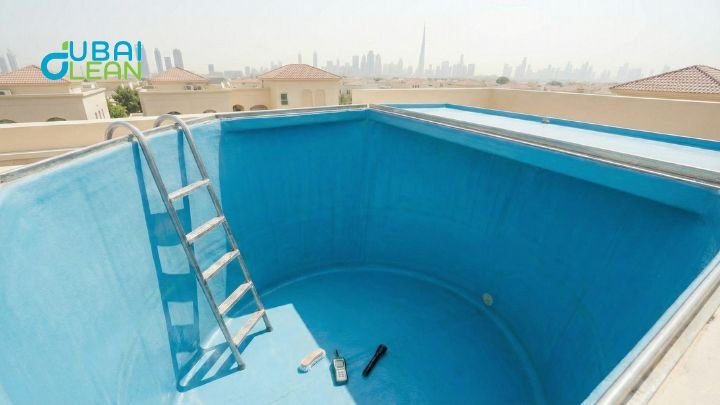
    2. Health Risks Linked to Water Tank Condensation

    Moisture buildup in water tanks can lead to the growth of bacteria, algae, and mold, creating serious health risks for families. Children, the elderly, and those with weaker immune systems are especially vulnerable to waterborne illnesses caused by condensation inside water storage tanks. Contaminated water may show signs like musty odor, discoloration, or slimy residue, but often the risk is hidden. Regular monitoring and professional water tank cleaning are essential in Dubai homes to prevent microbial contamination and ensure safe, clean drinking water.

    Bacteria, Algae, and Mold Growth

    Moisture buildup in water tanks creates the perfect environment for bacteria, algae, and mold to thrive. Over time, this water tank condensation can lead to microbial contamination, putting family health at risk. Children, the elderly, and anyone with a weakened immune system are especially vulnerable to waterborne illnesses caused by these hidden contaminants. Regular monitoring and professional cleaning are essential to maintain safe water quality.

    Signs of Contaminated Water Due to Moisture

    Contaminated water often shows subtle signs such as a musty smell, discoloration, slimy residue, or an unusual taste. Recognizing these indicators early helps Dubai residents take prompt action. By keeping an eye on water quality, families can prevent health issues associated with condensation inside water storage tanks and ensure their daily water remains safe to use.

    • Musty or unusual odor in water.
    • Discoloration or cloudy appearance.
    • Slimy residue or film inside the tank.
    • Strange or off taste.
    • Sediment or particles settling at the bottom.

    3. Identifying Condensation Problems in Your Water Tank

    Condensation Problems in Water Tank

    Identifying condensation inside water storage tanks is essential to prevent water contamination in Dubai homes. Visible signs include water droplets on tank walls or lids, damp surfaces, and leakage around the tank. Less obvious indicators may involve subtle changes in water taste or odor, or health issues linked to water consumption. Recognizing both visible and hidden signs of moisture buildup in water tanks allows families to take timely action, ensuring safe and clean drinking water for daily use.

    Visible Indicators of Moisture Buildup

    Look for water droplets on tank walls or lids and damp surfaces or leakage around the tank, which are clear signs of moisture buildup in water tanks. These visible indicators often signal that water tank condensation is occurring and that the tank may require professional cleaning or inspection.

    Less Obvious Signs to Watch For

    Some signs of contamination are harder to detect, such as health issues related to water consumption or subtle changes in water taste or odor. These less obvious indicators often result from condensation inside water storage tanks, highlighting the need for regular monitoring and maintenance to protect family health.

    4. Preventing Moisture-Related Contamination in Dubai Homes

    Preventing moisture buildup in water tanks is essential for maintaining safe water in Dubai homes. Proper tank maintenance, including sealing, insulation, and covering, helps reduce temperature fluctuation in water tanks and minimizes condensation inside water storage tanks. Regular professional cleaning by certified technicians removes bacteria, algae, and biofilm while using Dubai Municipality-approved, eco-friendly disinfectants. These measures ensure water remains clean, hygienic, and safe for daily family use.

    Tank Maintenance Strategies

    Proper tank maintenance is key to reducing moisture buildup in water tanks. Homeowners should ensure tanks are properly sealed, insulated, and covered to minimize exposure to Dubai’s extreme heat and humidity. Reducing temperature fluctuation in water tanks helps prevent condensation inside water storage tanks, maintaining water quality and protecting family health.

    Role of Professional Water Tank Cleaning

    Professional cleaning plays a vital role in preventing water tank condensation and microbial contamination. Certified technicians remove bacteria, algae, and biofilm while using Dubai Municipality-approved, eco-friendly disinfectants. Regular professional cleaning not only safeguards water quality but also ensures long-term protection against moisture buildup in water tanks, keeping drinking water safe for the entire family.

    5. Why Professional Cleaning Matters

    Professional cleaning is essential to prevent moisture buildup in water tanks and avoid hidden condensation inside water storage tanks. DIY attempts often lead to errors that worsen contamination and pose health risks for the family. Certified technicians inspect tank walls, vents, and lids, using Dubai Municipality-approved methods to safely remove bacteria, algae, and biofilm. Regular professional cleaning ensures compliance with hygiene standards and keeps water safe, clean, and healthy for daily use in Dubai homes.

    Avoiding DIY Mistakes

    Attempting to clean water tanks without proper knowledge can worsen moisture buildup in water tanks and lead to water tank condensation problems. Common DIY mistakes, such as using harsh chemicals or improper cleaning techniques, can compromise hygiene and pose serious health risks for the family.

    Certified Technicians Ensure Compliance

    Certified professionals inspect tank walls, vents, and lids to identify hidden condensation inside water storage tanks and ensure thorough cleaning. Using Dubai Municipality-approved methods, these experts maintain hygiene standards while preventing microbial contamination, giving homeowners confidence in safe and clean water.

    Conclusion

    Moisture buildup and condensation inside water storage tanks can pose serious health risks for families, as they create ideal conditions for bacteria, algae, and mold to grow. These hidden contaminants can affect water quality, leading to unpleasant odors, discoloration, and even potential illnesses, especially for children and the elderly. Regular professional cleaning not only removes these harmful elements but also prevents future water tank condensation, ensuring safe, clean water for everyday use in Dubai homes. By scheduling certified water tank cleaning services, homeowners can maintain high hygiene standards.

    FAQs

  • Pest Infestation in Water Tanks? Ensure Safe Water in Dubai Homes

    Pest Infestation in Water Tanks? Ensure Safe Water in Dubai Homes

    Maintaining clean and safe water in Dubai homes is more important than ever, especially when pest infestation in water tanks can pose serious health risks. Mosquitoes, insects, and other pests often find their way into poorly maintained water tanks, carrying bacteria and potentially spreading waterborne diseases. Left unchecked, this can lead to contaminated drinking water, foul odors, and even algae growth in water tanks, putting your family’s health at risk. Many residents are unaware of the hidden dangers lurking in their water tanks, from microscopic bacteria to visible algae, which not only affect water quality but also create breeding grounds for pests.

    1.Understanding Pest Infestation in Water Tanks

    Pests often appear in water tanks due to stagnant water, accumulated dirt, and Dubai’s warm climate, creating ideal conditions for mosquito breeding and other insects. Open or poorly maintained tanks make it easy for pests to enter, while algae and organic matter provide a food source. This pest infestation in water tanks can contaminate water, increasing the risk of waterborne diseases in Dubai. Consuming or using such water can lead to illnesses like diarrhea, skin infections, and gastroenteritis. Regular cleaning and proper maintenance are essential to ensure safe water in Dubai homes.

    Why Pests Appear in Water Tanks

    Pests often invade water tanks due to a combination of factors that create the perfect breeding environment. In Dubai’s warm climate, stagnant water can quickly become a hotspot for mosquito breeding, flies, and other insects. Accumulated dirt, sediment, and leftover debris inside the tank further attract pests and provide a food source. Open or poorly covered tanks allow insects and small animals to enter easily, while irregular cleaning schedules increase the risk of infestation over time.

    Health Risks of Pest Infestation

    The presence of pests in water tanks is not just an inconvenience, it’s a serious health concern. Contaminated water in tanks can harbor bacteria, viruses, and other microorganisms that lead to waterborne diseases in Dubai, such as diarrhea, gastroenteritis, and skin infections. Algae growth and organic matter inside the tank can exacerbate the problem by creating an environment where pathogens thrive. Families and residents consuming this water are at risk, making regular inspection and proper maintenance critical for maintaining safe water in Dubai homes.

    2.Signs of Pest Infestation in Water Tanks

    Some signs of pest infestation in water tanks are immediately noticeable, including mosquitoes, insects, larvae, foul odors, and sediment buildup at the bottom of the tank. These visible indicators often signal that pests and organic matter are contaminating the water. Less obvious signs include algae growth in water tanks, discoloration, cloudiness, or turbidity, which suggest bacterial or organic contamination. Regularly inspecting your tank for these signs is essential, as early detection can prevent serious hygiene issues.

    Visible Indicators

    Some signs of pest infestation in water tanks are immediately noticeable. You may spot mosquitoes, insects, or larvae inside or around the tank. Foul odors and sediment buildup at the bottom of the tank are also strong indicators that pests and organic matter are contaminating your water. Ignoring these signs can lead to serious hygiene issues and increased dirty water tank risks.

    Less Obvious Indicators

    Some signs are not easily visible to the naked eye. Algae growth in water tanks can indicate stagnant water and potential contamination, while discoloration or turbidity of the water suggests bacterial growth or organic debris. These subtle changes are often early warnings of a developing pest problem.

    3. How to Prevent Pests in Water Tanks

    water tank cleaning

    Preventing pests in water tanks starts with simple measures like keeping tanks properly covered, cleaning them regularly, using safe chlorine treatments, and ensuring proper drainage to avoid stagnant water. These basic steps support proper water tank maintenance and limit mosquito breeding and pest infestations. Professional water tank cleaning services in Dubai further enhance results through inspections, deep cleaning, and routine maintenance.

    Preventive Measures

    Preventing pests in water tanks starts with simple but effective steps. Always ensure that tanks are properly covered to block insect entry, maintain regular cleaning schedules, and use safe chlorine treatments to disinfect the water. Proper drainage around the tank prevents stagnant water, which reduces the likelihood of mosquito breeding and other pest infestations. These basic measures form the foundation of water tank maintenance and help keep your water safe for daily use.

    Professional Solutions in Dubai

    For optimal safety, consider hiring professional water tank cleaning services in Dubai. Certified experts provide thorough inspections, deep cleaning, and sanitization using approved methods, ensuring that your tank remains free of pests, bacteria, and algae. Many services also offer periodic maintenance schedules, giving residents peace of mind that their water supply is hygienic and compliant with health standards.

    4.Algae Growth and Other Contaminants

    Algae growth in water tanks occurs when sunlight, stagnant water, and organic matter create ideal conditions for microorganisms. This not only discolors the water but also attracts pests like mosquitoes, increasing the risk of pest infestation in water tanks. Regular water tank sanitization, proper cleaning schedules, and keeping tanks covered can control algae growth. Periodic professional inspections help maintain safe drinking water in Dubai homes, ensuring the water remains hygienic, clear, and free from contaminants.

    Causes and Impact

    Algae growth in water tanks occurs when sunlight, stagnant water, and organic matter create a favorable environment for microorganisms. This not only discolors the water but also attracts pests like mosquitoes and insects, increasing the risk of pest infestation in water tanks. Algae can harbor bacteria, making the water unsafe for drinking and daily household use.

    Solutions and Maintenance

    Controlling algae requires regular water tank sanitization, keeping tanks covered, and ensuring proper cleaning schedules. Using approved disinfectants and periodic professional inspections can prevent algae buildup and maintain safe drinking water in Dubai homes. Proper tank hygiene ensures water remains clean, clear, and free from pests and contaminants.

    5.Potential Risks of Ignoring Pest Infestation

    Neglecting pest infestation in water tanks can lead to serious health hazards. Contaminated water in tanks may carry bacteria and viruses, causing waterborne diseases in Dubai such as diarrhea, gastroenteritis, and skin infections. Mosquito breeding in stagnant water increases the risk of mosquito-borne illnesses, while algae and organic buildup further compromise water quality. Beyond health, ignoring regular cleaning can result in costly repairs, tank replacement, and long-term maintenance issues, making it essential to address these dirty water tank risks promptly.

    Conclusion

    Regular cleaning and preventive maintenance are crucial to protecting your home from pest infestation in water tanks. Stagnant water, dirt, and algae not only attract mosquitoes and other pests but also increase the risk of waterborne diseases in Dubai, compromising your family’s health. Ignoring these risks can lead to costly repairs, foul odors, and contaminated water, making preventive care essential. Dubai residents are strongly encouraged to hire professional water tank cleaning services that provide certified inspections, deep cleaning, and ongoing maintenance schedules. These services ensure your water remains clean, clear, and safe for drinking and household use.

    FAQs

  • Bad Smelling Tap Water? Ensure Safe, Clean Water for Dubai Families

    Bad Smelling Tap Water? Ensure Safe, Clean Water for Dubai Families

    Bad smelling tap water is a growing concern for families and small businesses across Dubai. Many residents notice an unpleasant odor, discoloration, or sediment when they turn on the tap, which often signals contamination in their water storage systems. In a city where most homes and offices rely on rooftop or underground water tanks, these issues are surprisingly common. Dirty water tanks can harbor bacteria, algae, and biofilm, putting both family members and office employees at risk of waterborne illnesses. Children, the elderly, and immunocompromised individuals are especially vulnerable, making regular water hygiene essential for safe daily living.

    1. Causes of Bad Smelling Tap Water in Dubai

    Bad smelling tap water in Dubai is often a result of several underlying issues in water storage and tank maintenance. Understanding these causes is the first step to ensuring safe, clean water for your family and workplace. Many residents and small business owners rely on rooftop or underground water tanks without realizing that neglect or improper maintenance can lead to bacterial growth, algae, and biofilm formation. These contaminants not only create unpleasant odors but can also pose serious health risks, especially for children, the elderly, and immunocompromised individuals.

    Stagnant Water in Tanks

    When water sits unused in a tank for long periods, it becomes stagnant. Stagnant water creates the perfect environment for bacteria and microorganisms to grow, which can produce foul odors and affect water quality. Villas, apartments, and small offices that rely on rooftop or underground water tanks are particularly susceptible. Regular usage and professional cleaning can prevent this buildup and maintain safe water.

    Algae and Biofilm Formation

    Algae and biofilm are another common cause of foul-smelling water. Biofilm is a thin layer of bacteria and organic matter that clings to tank walls, while algae can grow when water tanks are exposed to sunlight or heat. Both contribute to unpleasant odors, cloudy water, and potential health risks. Addressing these issues requires professional water tank cleaning using safe disinfectants approved in Dubai.

    Climate and Storage Factors in Dubai

    Dubai’s extreme climate also plays a role. Hot summers accelerate bacterial and algae growth, while mild winters can cause water to stagnate in tanks that are used less frequently. Poorly maintained tanks, improper covers, and irregular cleaning schedules increase the risk of dirty water tanks and foul-smelling tap water. Proper tank maintenance, seasonal inspections, and professional cleaning are essential for safe water throughout the year.

    2. Health Risks of Dirty Water Tanks

    Dirty water tanks pose serious health risks for families and workplaces in Dubai. Contaminated water can carry bacteria, algae, and biofilm, which may cause a range of illnesses and affect overall well-being. Foul-smelling tap water, sediment, or discoloration is often a warning sign that your water tank has become a breeding ground for harmful microorganisms. These health risks are not limited to just minor discomforts; they can lead to serious gastrointestinal infections, skin irritations, and other waterborne illnesses, particularly for children, the elderly, and individuals with weakened immune systems.

    Waterborne Illnesses

    Contaminated water is a major source of waterborne illnesses, including diarrhea, gastrointestinal infections, and skin conditions. Foul-smelling water is often a warning sign of bacterial growth, making it unsafe for drinking, cooking, or bathing. Regular cleaning of water tanks is crucial to prevent exposure to harmful microorganisms and ensure your family or employees have access to safe water.

    Vulnerable Family Members

    Children, elderly individuals, and people with weakened immune systems are particularly susceptible to illnesses caused by dirty water tanks. Even minor exposure to contaminated water can lead to serious health complications, including dehydration and infections. Families must prioritize safe water practices to protect their loved ones from preventable diseases.

    3. Signs Your Water Tank Needs Immediate Cleaning

    Bad Smelling Tap Water

    Regular inspection of your water tank is crucial to ensure the safety of your family and workplace in Dubai. Dirty water tanks often show early warning signs that, if ignored, can lead to serious health risks and foul-smelling tap water. Recognizing these signs can help you take timely action and schedule professional cleaning before contamination worsens. Even if the water appears visually clear, contaminants such as bacteria, biofilm, and algae may still be present, silently affecting water quality. These hidden dangers can accumulate over months, especially in rooftop or underground tanks.

    Foul Smell in Tap Water

    A bad odor coming from your tap is the most noticeable and common symptom of a dirty water tank. This smell is often caused by bacterial growth, algae, or biofilm inside the tank. Residents in Dubai frequently report this issue, especially in villas, apartments, and offices that rely on rooftop or underground water storage. Prompt cleaning by a professional can eliminate the odor and restore safe, clean water.

    Sediment and Discoloration

    Particles, cloudiness, or discoloration in water are clear indicators of contamination. Sediment can settle at the bottom of the tank over time, and discoloration may signal rust, biofilm, or algae presence. Ignoring these signs can lead to health issues such as gastrointestinal infections and reduce water quality for daily use. Regular inspection and professional tank cleaning are essential to maintain safe water standards in Dubai homes and offices.

    Slime or Algae Presence

    Visible biofilm, green deposits, or slimy surfaces inside your water tank are serious warning signs. Algae and biofilm thrive in stagnant or improperly maintained tanks, producing foul smells and harboring harmful bacteria. Professional cleaning not only removes these contaminants but also prevents the recurrence of algae and biofilm, ensuring continuous access to safe and hygienic water.

    4. Choosing a Reliable Water Tank Cleaning Service in Dubai

    Selecting the right water tank cleaning service is essential for maintaining safe, clean water for your family or workplace in Dubai. Not all cleaning providers follow the strict safety standards required, so choosing a reputable, certified service ensures both health protection and compliance with local regulations. A reliable service not only removes visible debris, sediment, and slime but also targets hidden contaminants such as biofilm and bacteria that can cause foul-smelling tap water and waterborne illnesses.

    Dubai Municipality Approval

    Dubai Municipality (DM) approval is a critical factor when selecting a water tank cleaning company. Services approved by the DM follow strict hygiene and safety protocols, use approved disinfectants, and maintain proper documentation for every cleaning session. Hiring a DM-approved service not only ensures that your water is safe but also protects you from potential fines or legal issues related to non-compliance with local water safety regulations.

    Certified Technicians and Equipment

    Professional water tank cleaning requires trained technicians and specialized equipment to remove biofilm, algae, and other contaminants effectively. Certified staff wear safety gear, follow hygiene protocols, and use approved chemical disinfectants to eliminate bacteria without compromising water quality. Choosing a service with the right expertise ensures thorough cleaning, prevents recurring contamination, and gives peace of mind that your family or employees are drinking safe, hygienic water.

    5. Seasonal Considerations and Preventive Maintenance

    Maintaining clean water in Dubai requires attention to seasonal variations that affect water quality. The city’s climate can significantly influence bacterial growth, algae formation, and foul odors in water tanks. By understanding these seasonal risks, residents and small business owners can implement preventive measures to ensure safe, clean water year-round. Neglecting seasonal maintenance can lead to stagnant water in winter or accelerated contamination during hot summer months, both of which compromise water safety. 

    Winter Water Stagnation

    During Dubai’s cooler months, water usage may decrease in some villas or offices, leading to stagnant water in tanks. Stagnation provides an ideal environment for bacteria and biofilm to grow, which can cause bad-smelling tap water and potential health hazards. Regular monitoring and preventive cleaning during winter are essential to reduce these risks and maintain water hygiene.

    Summer Heat Effects

    Dubai’s hot summers accelerate algae growth and microbial activity in water tanks. High temperatures can increase the rate of biofilm formation and contamination, resulting in foul odors, discoloration, and unsafe water. Professional cleaning before and during the summer months helps prevent these issues and ensures that water remains safe for drinking, cooking, and bathing.

    Recommended Cleaning Schedule

    For optimal water quality, water tanks in Dubai should typically be cleaned every 6–12 months, depending on usage and tank type. Villas, apartments, and small business offices may have different requirements, but adhering to a regular cleaning schedule ensures that dirty water tanks do not compromise family health or workplace hygiene. Seasonal inspections, combined with professional cleaning services, provide a reliable preventive approach to avoid foul-smelling water and contamination.

    Conclusion

    Maintaining a clean water tank is essential for family health, workplace safety, and Dubai Municipality compliance. Dirty tanks can harbor bacteria, algae, and biofilm, causing foul-smelling tap water and increasing the risk of waterborne illnesses. Hiring a DM-approved, certified water tank cleaning service ensures your water remains safe, hygienic, and odor-free. Regular professional cleaning and preventive maintenance provide peace of mind, protecting your loved ones, employees, and clients. Schedule a certified cleaning today to guarantee clean, safe water year-round.

    FAQS

  • Moisture in Water Tanks? Ensure Safe, Clean Drinking Water in Dubai

    Moisture in Water Tanks? Ensure Safe, Clean Drinking Water in Dubai

    As the cooler December nights sweep across Dubai, many homeowners remain unaware of a hidden hazard lurking in their water tanks: moisture buildup. This condensation may seem harmless, but it creates the perfect environment for dangerous bacteria like Legionella and Pseudomonas, which can cause serious illnesses, particularly for children, the elderly, and immunocompromised family members. Ignoring this issue can lead to cloudy or foul-smelling water, biofilm formation, and even health complications. Fortunately, there are safe, professional solutions to remove moisture, prevent bacterial growth, and ensure that every drop of water in your villa or apartment remains clean and safe to drink.

    1. Understanding Moisture in Water Tanks

    Moisture in Dubai water tanks is a common issue, especially during December when temperature fluctuations and high humidity cause condensation inside both rooftop and underground tanks. This trapped moisture creates an ideal environment for harmful bacteria like Legionella and Pseudomonas, as well as biofilm formation. Over time, this leads to cloudy water, foul odors, and sediment buildup, making drinking water unsafe. Compliance with Dubai Municipality regulations and Local Order 11 is crucial to prevent health risks and avoid legal liabilities.

    Causes of Tank Moisture in Dubai

    Dubai’s climate, especially during December, creates a unique challenge for water tanks. Temperature fluctuations between warm daytime water and cooler nights lead to condensation inside tanks. Combined with high humidity and improper ventilation, this moisture can accumulate quickly. Both rooftop and underground tanks are vulnerable: rooftop tanks are exposed to changing air temperatures, while underground tanks can trap humidity due to limited airflow. Without proper maintenance, this moisture becomes a breeding ground for bacteria and biofilm.

    How Moisture Affects Water Quality

    Moisture in water tanks is more than an inconvenience, it directly impacts water safety and hygiene. Stagnant moisture promotes the growth of harmful bacteria such as Legionella, the leading cause of Legionnaires’ disease, and Pseudomonas, which can cause skin and respiratory infections. Over time, biofilm forms on tank surfaces, leading to cloudy water, foul odors, and sediment buildup. These problems not only affect the taste and clarity of your drinking water but also pose serious health risks for children, the elderly, and immunocompromised family members.

    Legal & Regulatory Context

    Dubai residents are legally required to maintain clean and safe water supplies in their properties. According to Dubai Municipality regulations and Local Order 11, water tanks must be regularly inspected and cleaned to prevent bacterial contamination. Compliance is mandatory for both health and legal safety. Failure to follow these laws can result in fines and liability for any illnesses caused by contaminated water. Ensuring your tank meets these standards not only protects your family but also demonstrates adherence to local hygiene laws, enhancing the credibility of any property maintenance plan.

    2. Health Risks of Moisture in Tanks

    Moisture in water tanks can lead to serious health hazards, as it encourages the growth of harmful bacteria like Legionella, the top risk in warm stagnant water, and Pseudomonas, which can cause skin and respiratory infections. Children, the elderly, and immunocompromised family members are particularly vulnerable to these pathogens. Contaminated water can result in cloudiness, foul odor, and waterborne illnesses, making household water unsafe. Homeowners should avoid DIY chemical treatments, as improper use of chlorine or other chemicals can violate safety norms and create liability.

    Waterborne Illnesses from Contaminated Tanks

    Moisture buildup in water tanks creates the perfect environment for harmful bacteria such as Legionella, the leading risk in warm stagnant water, and Pseudomonas, which can cause skin, respiratory, and other infections. These bacteria pose serious health risks, especially for children, the elderly, and immunocompromised family members, making even a small amount of tank moisture a potential hazard.

    Household Safety Implications

    Contaminated water from moist tanks is more than just unpleasant, it can be life-threatening. Families relying on untreated or poorly maintained water tanks are at risk of waterborne illnesses, biofilm exposure, and long-term health issues. It’s critical to avoid DIY chemical treatments, such as using chlorine without professional guidance, because this can violate safety norms and create legal liability if anyone gets sick.

    3. Professional Water Tank Cleaning Solutions

    Moisture in Water Tanks

    Professional water tank cleaning in Dubai is the safest way to ensure bacteria, biofilm, and moisture are completely removed from your tanks. Certified companies use municipality-approved methods that comply with Dubai Municipality regulations and Local Order 11, providing safe and hygienic water for families. These services include thorough inspection, deep cleaning, and sanitation, eliminating harmful pathogens like Legionella and Pseudomonas. Seasonal preventive measures, such as GRP tanks, proper ventilation, and tank lids, further reduce condensation and bacterial growth, ensuring water remains fresh, clean, and safe throughout the year.

    Certified Water Tank Cleaning Services in Dubai

    Certified water tank cleaning services in Dubai use Dubai Municipality-approved methods to keep every tank safe, clean, and hygienic. Certified cleaners remove bacteria, biofilm, and accumulated moisture using specialized equipment and techniques, guaranteeing compliance with Dubai Municipality regulations and Local Order 11. These services provide peace of mind by ensuring that your water remains clean, odor-free, and safe for the entire family.

    Seasonal Moisture Prevention

    To prevent condensation and bacterial growth, experts recommend GRP tanks, proper ventilation, and secure tank lids. These measures minimize moisture accumulation, especially during December and humid months, when condensation is most common. Professional cleaning combined with seasonal prevention techniques ensures that water tanks stay dry, hygienic, and compliant with local safety standards, reducing the risk of contamination and health issues.

    4. Financial Considerations for Dubai Residents

    In Dubai, the cost of water tank cleaning often raises questions about who is responsible, the landlord or the tenant. Typically, landlords cover major maintenance and professional cleaning, while tenants may handle routine checks if stated in the rental agreement. Investing in professional cleaning might seem costly upfront, but it prevents serious health risks, potential fines under Dubai Municipality regulations, and expensive repairs caused by bacterial growth or tank damage. Ensuring regular, certified cleaning keeps water safe, hygienic, and compliant with local laws, offering long-term peace of mind for both homeowners and tenants.

    Who Pays for Water Tank Cleaning?

    In Dubai, responsibility for water tank cleaning often depends on tenancy agreements. Landlords are generally responsible for maintaining tanks in good condition, while tenants may cover routine upkeep if specified in the contract. Understanding these responsibilities helps avoid disputes and ensures timely cleaning to maintain safe, hygienic water.

    5. Homeowner Preventive Measures

    Homeowners in Dubai should take proactive steps to keep water tanks safe and hygienic. Regular inspections help detect moisture, leaks, and sediment buildup before bacteria like Legionella and Pseudomonas can grow. Ensuring tanks are properly covered and well-ventilated reduces condensation and limits biofilm formation. For sanitization, it’s essential to rely on professional-approved methods, as DIY chemical treatments can be dangerous and violate safety norms. Following these preventive measures maintains clean, safe drinking water while complying with Dubai Municipality regulations.

    Regular Tank Inspections

    Homeowners should routinely inspect water tanks for moisture, leaks, and sediment buildup, particularly during December when condensation is at its peak. Regular checks help identify early signs of bacterial growth, biofilm formation, and structural issues, preventing long-term contamination. Maintaining a log of inspections can also help track changes over time and ensure timely professional intervention, keeping drinking water consistently safe and hygienic.

    Maintain Tank Covers and Ventilation

    Properly covering tanks and ensuring adequate ventilation significantly reduces moisture accumulation and bacterial proliferation. Ventilation prevents warm, humid air from stagnating inside the tank, which is a common cause of condensation in Dubai’s climate. Using secure lids and vents designed for GRP or steel tanks not only protects water quality but also minimizes debris, insects, and other contaminants, maintaining a cleaner and safer water supply year-round.

    Safe Sanitization Practices

    Sanitization should always be conducted using professional-approved methods, such as trained technicians performing safe disinfection and biofilm removal. Avoid DIY chemical treatments, as improper use of chlorine or other chemicals can be hazardous and legally risky, potentially causing illness. Certified cleaning services follow Dubai Municipality regulations and Local Order 11, ensuring that water is both safe to drink and legally compliant, giving homeowners peace of mind and long-term protection for their families.

    Conclusion

    Ensuring water tanks are free from moisture is essential for protecting family health in Dubai, especially during December when condensation is highest. Relying on professional cleaning services not only removes bacteria like Legionella and Pseudomonas but also ensures compliance with Dubai Municipality regulations and Local Order 11, reducing legal and health risks. Homeowners should adopt preventive strategies, such as regular inspections, proper ventilation, and secure tank covers, to maintain clean, safe drinking water year-round and safeguard their families from potential contamination.

    FAQS