Category: Dubai Carpet Cleaning

Carpet Cleaning Services

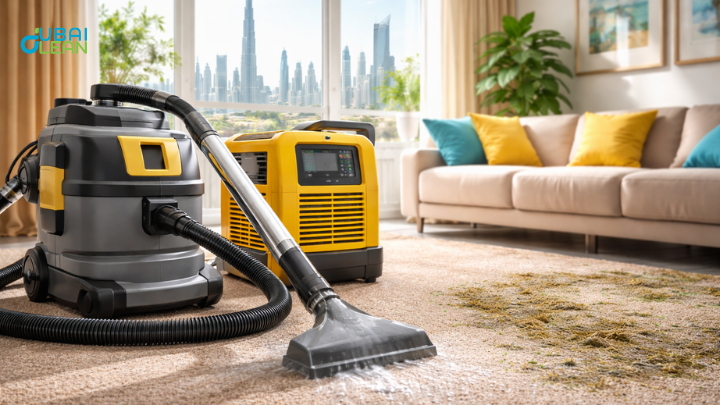
When it comes to carpet cleaning, it may not remove all the dust accumulated as the vacuum cleaner utilized in homes is different from the ones utilized by carpet cleaning companies. So, seek the help of a professional carpet cleaning company. Hence, regular carpet cleaning is necessary to maintain the best quality of air inside the house.

As part of home cleaning services in Dubai, they also offer a professional carpet cleaning service. Professional carpet cleaning procedures are 100 effective. The strategies by experts also to dry the carpet quickly.

Hire Professional Cleaning Experts

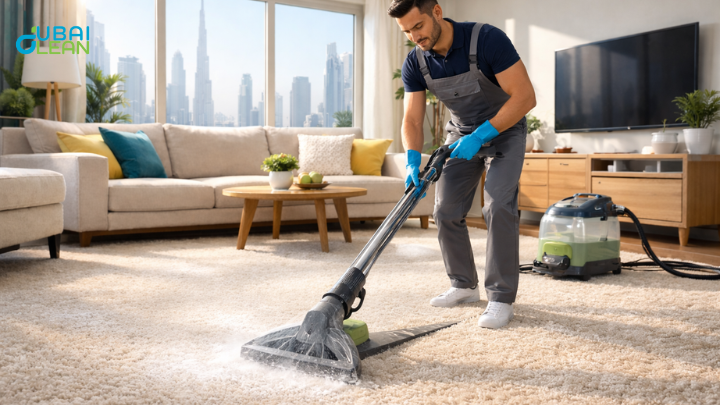
Carpet cleaning service is done in the comfort of your home, so you don’t have to worry about carpet cleaning. The team will arrive with the necessary cleaning material, and clean your carpet in the best way. They can help you get relieved of old stains and smell and appear brand new after the service is done.

The best Cleaning company isn’t only one of the topmost carpet cleaning companies in Dubai but also gives affordable carpet cleaning services. If you’re looking for the best carpet cleaning in Dubai do not wait to hire professional carpet cleaning experts right away and tell them your necessities. They will be at your home in a few minutes.

  • Does Carpet Shampooing Kill Dust Mites? Expert Insights for Dubai Home

    Does Carpet Shampooing Kill Dust Mites? Expert Insights for Dubai Home

    Dust mites are tiny creatures that thrive in warm, humid, and dusty environments common in Dubai homes. Invisible to the naked eye, they can trigger allergies, asthma, and skin irritation, posing a hidden health risk. Many homeowners wonder: “Can carpet shampooing kill dust mites?” Carpets are a primary breeding ground, so knowing effective cleaning strategies is essential. This guide provides expert-backed insights and Dubai-specific tips to help protect your family’s health and maintain cleaner indoor air.

    1. What Are Dust Mites?

    Dust mites are tiny arachnids that thrive in warm, humid environments, feeding on skin cells from humans and pets. Commonly found in carpets, upholstery, bedding, and soft furniture, they are invisible to the naked eye but can accumulate in large numbers. These microscopic pests are a hidden health risk in Dubai homes, especially with high indoor humidity and dust levels, affecting indoor air quality and overall comfort. For effective removal, many homeowners rely on professional carpet cleaning to eliminate dust mites and maintain a healthy home environment.

    How Dust Mites Affect Health

    While dust mites don’t bite or spread disease, their waste and body fragments contain allergenic proteins that can trigger sneezing, asthma, itchy eyes, and skin irritation. Inhaling these allergens worsens indoor air quality and can cause chronic respiratory symptoms, particularly in sensitive individuals.

    Why Dubai’s Climate Favors Dust Mites

    Dubai’s hot and humid climate provides ideal conditions for dust mites to survive year-round. With indoor humidity often exceeding 50%, mites absorb moisture directly from the air, making carpets, rugs, and soft furnishings a constant source of allergens in homes.

    2. How Carpet Shampooing Works

    Carpet shampooing is a common cleaning method that uses detergents, scrubbing, and water extraction to remove dirt, stains, and allergens. A specialized shampoo is applied to carpet fibers, agitated with brushes or rotating pads, and then rinsed or extracted with a wet vacuum. While it effectively lifts dust, pet dander, and surface debris, understanding its limitations and proper use is key for maintaining healthy carpets in Dubai homes.

    Surface Cleaning vs Deep Sanitation

    Surface cleaning removes visible dirt and some allergens from the carpet’s top layers but does not reach deep where dust mites reside. Deep sanitation, such as steam cleaning or hot water extraction, penetrates fibers to target allergens, bacteria, and mites more effectively, offering a more thorough clean.

    Limitations of Carpet Shampooing

    Although shampooing improves hygiene, dust mites can survive deep within fibers, especially in thick carpets and humid environments typical of Dubai. Regular shampooing reduces their numbers but rarely eliminates them completely, so additional measures are recommended.

    User-Friendly Tip

    Focus on high-traffic areas, bedrooms, and living rooms, which accumulate more dust and allergens. Rotate furniture periodically and inspect these zones, ensuring carpets remain cleaner and safer for your family. Regular deep cleaning combined with anti-allergen sprays and humidity control can significantly reduce dust mite populations and improve indoor air quality.

    3. Does Carpet Shampooing Kill Dust Mites?

    Carpet shampooing removes dirt, dust, and some surface allergens, but scientific studies show it rarely eliminates all dust mites. Mites often live deep within carpet fibers, feeding on skin cells and thriving in warm, humid conditions like those in Dubai homes. While shampooing reduces visible dust and surface-level mites, many can survive and repopulate the carpet without additional treatment. (nih.gov)

    More Effective Dust Mite Control

    Experts recommend steam cleaning or hot water extraction, which uses high temperatures to kill mites and neutralize allergens. Chemical treatments or anti-mite sprays can also help, but it’s essential to choose safe, non-toxic products suitable for homes with children and pets. Combining these methods with regular HEPA vacuuming provides the best long-term results.

    Practical Takeaway for Dubai Homes

    Thick, plush carpets and high indoor humidity create ideal conditions for dust mites. Shampooing alone may not be enough professional deep cleaning 2–3 times a year, along with humidity control and preventive routines, ensures a healthier home environment.

    In Dubai’s climate, homeowners often see recurring dust mite problems even after regular shampooing. Deep steam cleaning combined with HEPA vacuuming is the most effective way to reduce allergens,” Ahmed Al Mansoori, Certified Cleaning Specialist, Dubai.

    4. Effective Methods to Control Dust Mites in Carpets

    Controlling dust mites in carpets requires a multi-step approach that combines cleaning, preventive strategies, and environmental management. In Dubai, high humidity and dust levels make carpets an ideal breeding ground for mites, increasing allergen exposure. Homeowners can protect their families by adopting methods that remove mites, reduce allergens, and prevent future infestations, while considering safe and practical solutions for indoor health.
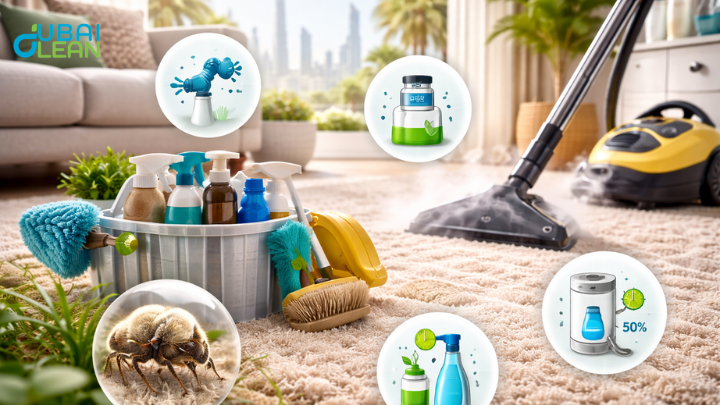
    does carpet shampooing kill dust mites

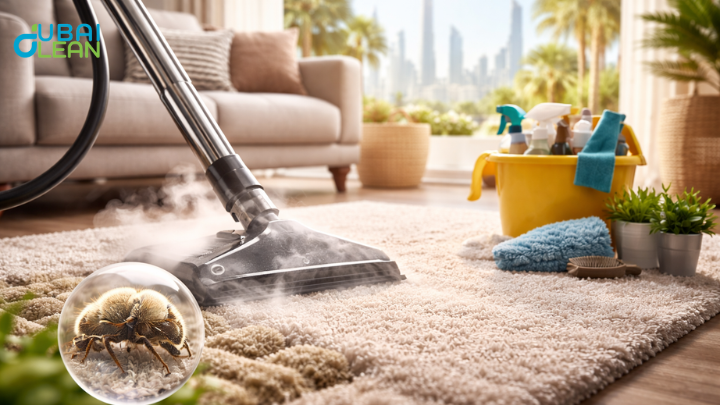
    Steam Cleaning: High-temperature steam cleaning or hot water extraction is highly effective at killing dust mites and denaturing allergens. Temperatures above 55–60°C penetrate deep into carpet fibers, reaching areas that regular shampooing cannot, ensuring a more thorough cleaning.

    Vacuuming with HEPA Filters: Using a HEPA-filter vacuum traps fine dust particles and allergens that ordinary vacuums may recirculate. For Dubai homes, vacuuming twice weekly in bedrooms and high-traffic areas helps maintain cleaner carpets and healthier indoor air.

    Anti-Allergen Sprays or Powders: Safe sprays or powders with tannin-based or enzyme formulas neutralize mite allergens without harmful chemicals. These are ideal for homes with children or pets. Always allow carpets to dry completely before use.

    Carpet Rotation & Sunlight Exposure: Rotating carpets and allowing them to get sunlight or proper airflow helps dry out dust mites and limits their growth. For apartments, placing rugs near windows or balconies periodically can provide similar benefits.

    Preventive Measures: Humidity Control: Maintaining indoor humidity below 50% is crucial for limiting mite reproduction. Dehumidifiers or central AC systems in Dubai homes help reduce allergen accumulation and create less favorable conditions for mites.

    Deep steam cleaning, regular HEPA vacuuming, and humidity control together provide the most reliable dust mite reduction, especially in humid environments like Dubai, Dr. Fatima Al Shamsi, Allergy Specialist, Dubai Health Authority.

    5. Carpet Maintenance Tips for Dubai Homes

    Maintaining carpets in Dubai requires consistent care to reduce dust mites, allergens, and dirt accumulation. The city’s hot, humid, and dusty environment makes carpets particularly vulnerable, so following a structured cleaning routine not only improves indoor air quality but also extends carpet life. Homeowners can combine vacuuming, shampooing, fiber selection, and professional cleaning to maintain a healthier home environment.

    Cleaning Frequency

    High-traffic areas and bedrooms should be vacuumed 2–3 times per week using a HEPA-filter vacuum. Light shampooing every 3–4 months removes surface dust and allergens, while professional steam cleaning 2–3 times a year ensures deep-seated dust mites are eliminated.

    Choosing Carpet Fibers

    Low-pile carpets are less favorable for dust mites than plush or shaggy types. Synthetic fibers such as nylon or polyester are easier to clean, dry faster, and prevent moisture buildup, making them ideal for Dubai homes. Choosing carpets with antimicrobial or hypoallergenic treatments can further reduce allergen buildup and protect family health.

    DIY vs Professional Cleaning

    DIY cleaning is convenient for surface maintenance but often cannot remove mites deep in fibers. Professional services use high-temperature steam, anti-allergen treatments, and expert techniques to achieve a thorough and lasting clean. Regular professional cleaning ensures a healthier home environment.

    6. When to Seek Professional Help

    Hiring professional deep cleaning services ensures that carpets are sanitized effectively. Experts use high-temperature steam cleaning, anti-allergen treatments, and specialized equipment that reach mites deep within fibers. In Dubai, choosing certified cleaning companies guarantees compliance with health and safety standards, reduces chemical risks, and provides reliable results tailored for local humidity and dust conditions.

    Some carpets show persistent signs of dust mite infestation despite regular cleaning. Watch for constant allergy symptoms, visible dust accumulation deep in fibers, unpleasant odors, or frequent sneezing and skin irritation in family members. These indicate that surface cleaning and DIY methods may no longer be sufficient.

    Conclusion

    Carpet shampooing helps reduce surface dust, dirt, and some dust mites, but it rarely eliminates all mites, especially in thick carpets or humid Dubai homes. A combined approach of HEPA vacuuming, steam cleaning, and anti-allergen treatments is more effective at minimizing dust mite populations. Carpet shampooing helps, but dust mites need deeper cleaning. Carpet shampooing removes surface dust, but deep cleaning with HEPA and steam is essential.
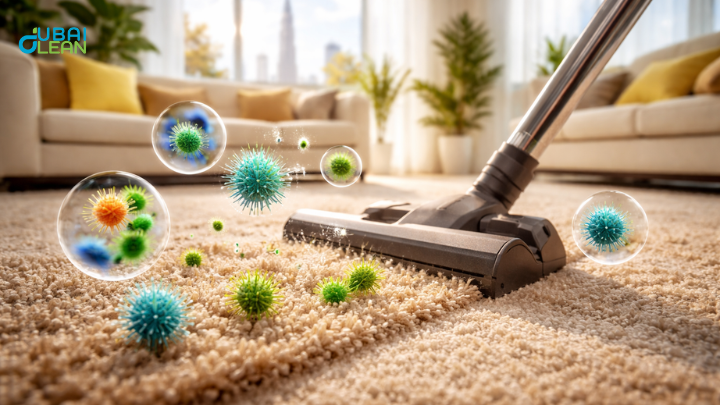
    FAQs

  • How Long Do Bacteria Live in Carpet Fibers? Complete Dubai Guide

    How Long Do Bacteria Live in Carpet Fibers? Complete Dubai Guide

    Dubai homes face unique challenges in keeping carpets clean, as dust, high coastal humidity, and constant AC use create ideal conditions for bacteria to thrive. This is especially important for families, children, pets, and allergy sufferers, since carpets can harbor hidden germs that affect health and indoor air quality. Bacteria can survive from hours to months depending on moisture, temperature, and fiber type, so this guide offers science-based prevention and cleaning strategies for Dubai homeowners.

    1. What Are Bacteria & How Do They Enter Carpets?

    Bacteria are microscopic organisms found almost everywhere in the air, on surfaces, and even on our skin. While many are harmless, some can cause allergies, infections, or respiratory issues when they accumulate in carpets. In Dubai, dusty outdoor conditions, high humidity, and indoor AC usage make carpets an ideal place for bacteria to settle and multiply. Understanding their sources and types helps homeowners maintain cleaner, healthier homes.

    Common Sources of Carpet Bacteria in Dubai Homes

    Bacteria enter carpets through outdoor sand brought in on shoes, food spills and moisture, pet dander, AC condensation leaks, and even ventilation systems in high-rise apartments. These everyday factors allow microbes to accumulate and thrive in fibers, especially if carpets are not cleaned regularly.

    Types of Bacteria Found in Carpets

    Carpets can harbor skin bacteria shed from humans, foodborne bacteria from spills, moisture-related bacteria from damp conditions, and pet-related microbes. Knowing the types helps Dubai residents target cleaning and moisture control to reduce bacterial buildup effectively.

    2. How Long Can Bacteria Live in Carpet Fibers?

    Even when carpets appear clean, microscopic bacteria can survive from hours to months, depending on moisture, temperature, and fiber type. In Dubai’s humid coastal climate and AC-cooled homes, carpets can provide ideal conditions for bacteria to thrive. Knowing how long bacteria persist helps homeowners target high-risk areas and maintain a healthier home environment.

    Survival Timeline (Science-Based Explanation)

    On dry carpets, bacteria survive hours to a few days, but moisture can extend their life. Humid environments, like coastal apartments, allow bacteria to persist weeks to months, especially in damp spots. Deep fibers with dirt, crumbs, or pet dander can harbor bacteria for months. Unlike bacteria, viruses don’t reproduce in carpets, while fungi (mold) thrive in damp fibers and may worsen indoor air quality.

    Factors That Affect Survival Time

    Bacterial lifespan depends on several factors: humidity (coastal areas like Dubai Marina increase survival), temperature (warm damp spots accelerate growth), sunlight (UV reduces survival), carpet material (synthetic traps moisture longer, wool resists bacteria), and cleaning frequency (regular vacuuming and steam cleaning greatly reduce bacteria). Understanding these conditions helps Dubai homeowners prevent bacterial buildup and protect their family’s health.

    3. Dubai Climate Impact on Carpet Bacteria

    Dubai’s hot, humid summers and dusty desert winds create ideal conditions for bacteria to survive in carpets. High humidity, AC condensation, and sand entering homes can increase bacterial growth, especially in apartments with limited airflow. Understanding these factors helps homeowners take proactive steps to maintain clean, healthy carpets and protect their family’s health.

    Humidity & Mold Growth Risk

    Coastal areas like Jumeirah and Dubai Marina experience high summer humidity, which settles in carpet fibers and encourages bacteria and mold growth. AC condensation can create hidden damp spots under carpets or in corners, prolonging bacterial survival. Practical measures like dehumidifiers, proper AC drainage, and thorough drying help prevent microbial buildup.

    Sand & Fine Dust as Bacteria Carriers

    Dubai’s sandy environment means fine particles often enter homes via shoes, pets, or open windows, trapping bacteria in carpet fibers. In high-rise apartments, limited airflow slows drying and allows microbes to persist longer. Regular HEPA-filter vacuuming and occasional professional deep cleaning remove dust, sand, and bacteria effectively.

    4. How to Test or Identify Bacterial Contamination in Carpets

    Bacterial contamination isn’t always visible, but it can affect allergies, infections, and overall indoor health. In Dubai’s humid, dusty environment, early detection is key. By combining visual checks, odor assessment, and moisture detection, homeowners can identify bacterial growth and take preventive action before it becomes a health risk. For more guidance on indoor air quality and biological contaminants, including how moisture and carpets contribute, refer to the EPA’s expert recommendations.

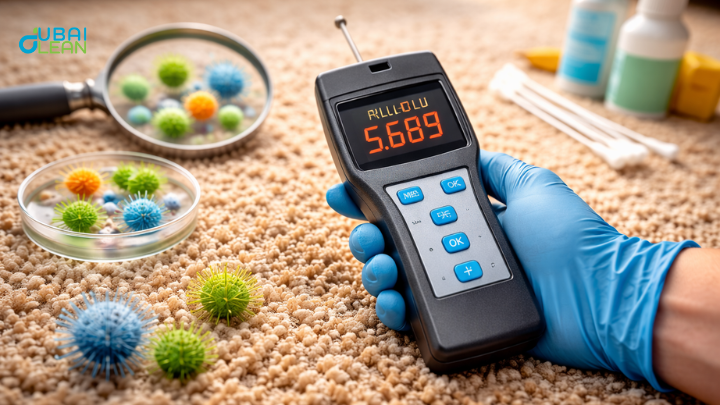
    how long bacteria live in carpet fibers

    Signs of Contamination: Look for musty or sour odors, persistent damp spots, or stains that don’t fade with regular cleaning. These are common indicators that bacteria or mold may be present in carpet fibers.

    When to Call a Professional: Call a professional if odors persist, mold is visible, family members experience health reactions, or carpets have been exposed to large spills or flooding. Inspectors use specialized tools to detect hidden moisture and microbial buildup.

    Visible Dirt vs Microbes: Visible dirt like dust, sand, crumbs, or pet hair can usually be removed with vacuuming, while microbial contamination survives in fibers even when carpets appear clean, requiring deep cleaning or professional sanitization.

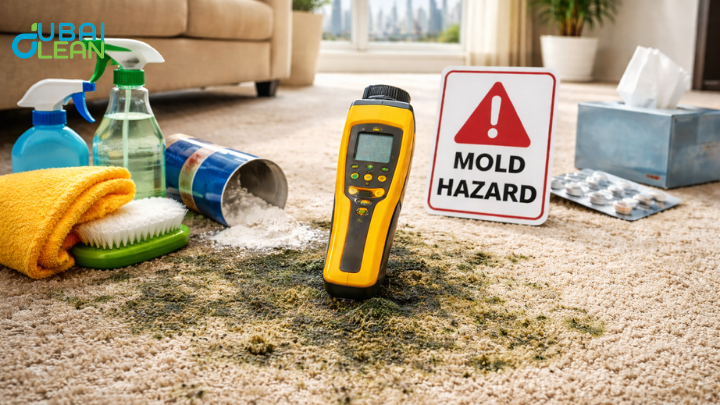
    Importance of Moisture Detection Tools: Tools like moisture meters or infrared sensors help find hidden damp spots that support bacterial growth. Early detection, especially after AC leaks, spills, or humid days, prevents long-term contamination and protects your family’s health.

    Combining these checks allows Dubai homeowners to keep carpets cleaner and safer year-round.

    5. How to Reduce Bacteria in Carpets

    Keeping carpets in Dubai homes clean and bacteria-free requires a combination of daily care, monthly maintenance, and professional sanitization. High humidity, dust, and AC use create ideal conditions for microbes, so following practical routines helps protect your family’s health and maintain fresh carpets year-round.

    Daily Prevention Tips: Encourage a shoe-free policy, clean spills immediately, and vacuum 3–4 times a week with a HEPA-filter vacuum to remove dust, sand, and microbes before they settle deep in the fibers.

    Monthly Maintenance: Perform steam cleaning once a month to kill bacteria and allergens, use deep extraction cleaning for trapped dirt, and ensure carpets dry completely in Dubai’s humid climate using fans or dehumidifiers.

    Professional Carpet Sanitization in Dubai: Homes should schedule professional sanitization every 6–12 months, with more frequent cleaning for villas, pets, or high-traffic areas. Professional deep cleaning removes bacteria, moisture, and dust that regular maintenance can’t reach, ensuring long-term health protection.

    By combining daily, monthly, and professional care, Dubai residents can significantly reduce bacterial buildup and maintain a clean, safe, and healthy home environment.

    6. Carpet Material Comparison: Which Traps More Bacteria?

    The type of carpet you choose can directly affect bacterial survival. Different fibers, pile heights, and materials hold dust, moisture, and microbes differently. Understanding this helps Dubai homeowners make informed decisions and maintain healthier homes.

    Carpet Types and Bacterial Risk

    Synthetic Carpets: Made of nylon, polyester, or polypropylene. Durable, resistant to stains, but can trap dust and moisture in dense fibers, allowing bacteria to survive longer if not cleaned regularly.

    Wool Carpets: Naturally resistant to some bacteria due to lanolin content, but high humidity or spills can reduce this protection. Wool fibers absorb moisture, so drying is crucial in Dubai’s humid climate.

    Carpet Material Comparison Table

    Carpet TypeBacteria RiskCleaning EaseBest For Dubai HomesNotes
    SyntheticMedium-HighEasyApartments, high-traffic areasNeeds frequent vacuuming
    WoolMediumModerateVillas, living roomsDry immediately after spills
    Low-Pile (any material)LowVery EasyHigh-traffic areasIdeal for daily hygiene
    High-Pile (any material)HighHardLow-traffic areasRegular deep cleaning required

    Combining low-pile carpets with regular vacuuming and professional deep cleaning provides the best balance of hygiene, durability, and comfort.

    Conclusion

    Bacteria can survive in carpets from hours to months, especially in Dubai’s humid, dusty, and AC-cooled homes, making regular cleaning, moisture control, and professional cleaning essential. Use low-pile or well-maintained carpets, vacuum frequently with a HEPA filter, and watch for odors or damp spots as signs of contamination. Maintaining proactive carpet hygiene protects your family’s health and ensures carpets stay clean, safe, and long-lasting.

    FAQs

  • How to Fix Carpet Shrinkage After Cleaning in Dubai Homes

    How to Fix Carpet Shrinkage After Cleaning in Dubai Homes

    Carpet shrinkage occurs when a carpet becomes smaller after cleaning, often due to excess moisture, heat, or improper drying. In Dubai, this can damage high-quality carpets, create trip hazards, and affect home aesthetics. Experts recommend careful drying and immediate inspection after cleaning to protect your carpet and investment.

    1. Can Carpet Shrinkage Be Fixed?

    Yes, carpet shrinkage can often be corrected, depending on the severity and type of carpet. Minor wrinkles or small ripples can usually be fixed at home using gentle stretching, careful re-wetting, and smoothing techniques. Moderate to severe shrinkage, especially in luxury carpets, typically requires professional intervention to restore the carpet safely and effectively.

    How Professionals Fix Shrinkage

    Certified carpet technicians use specialized tools for stretching, re-seaming, or full reinstallation. Following UAE industry standards ensures the carpet’s durability, maintains its aesthetic appeal, and keeps your home safe from trip hazards.

    2. Understanding Carpet Shrinkage

    Carpet shrinkage happens when the fibers or backing contract after cleaning, causing wrinkles, ripples, or lifted edges. This issue is common in Dubai homes with luxury carpets, as over-wetting, heat, or improper drying can affect high-quality flooring. Understanding the causes and acting quickly helps prevent long-term damage, trip hazards, and loss of aesthetic appeal.

    What Causes Carpet Shrinkage?

    Excess moisture, high heat, and improper drying can all lead to shrinkage. Natural fibers like wool or cotton are more prone, while Dubai’s humid climate can slow drying, making carpets stay damp longer. Knowing your carpet type and environment helps determine the safest repair or prevention approach.

    Why Timely Action Matters

    Unchecked shrinkage can damage carpet backing, create trip hazards, and reduce the visual appeal of your home. Certified carpet technicians recommend inspecting carpets immediately after cleaning and using gentle stretching or proper drying methods to maintain safety and durability.

    3. Assessment Before Repair

    Before fixing carpet shrinkage, it’s essential to assess the affected areas to determine severity and the best repair method. Proper inspection protects your investment in high-quality Dubai carpets and ensures home safety by identifying ripples, lifted edges, or gaps that could cause trips or damage. Early assessment helps decide if a DIY fix is sufficient or if professional intervention is needed.

    Inspect the Carpet: Examine the entire surface for wrinkles, folds, or pulled edges. Minor shrinkage shows as small ripples, while severe cases can create noticeable gaps. Document affected areas to guide your repair approach and prevent worsening of the problem.

    Identify Carpet Type: Natural fibers like wool shrink more easily, while synthetic fibers such as nylon or polyester are more resistant but still vulnerable under extreme conditions. Blended carpets require careful handling to prevent uneven shrinkage. Knowing the type ensures safe repair and avoids further damage.

    Check Subfloor and Padding: Inspect the carpet padding and subfloor for water damage, mold, or weakening of the backing. Early detection prevents structural problems and maintains the carpet’s longevity. Promptly addressing any damp or damaged areas ensures a safer home environment and reduces the risk of costly repairs.

    4. Step-by-Step Solutions to Fix Carpet Shrinkage

    The method to fix carpet shrinkage depends on how severe it is. Minor wrinkles can often be corrected at home, while moderate to severe shrinkage usually requires professional help. Choosing the right approach ensures safety, preserves carpet quality, and maintains the luxurious look of Dubai homes. Early intervention can prevent costly repairs and trip hazards.

    Minor Shrinkage Fixes (DIY-Friendly)

    For small areas, gently stretch the carpet using a knee kicker or tucker to smooth out ripples. Lightly dampen affected sections and allow slow, even drying, or place weights on wrinkles to help fibers return to their original shape. These methods work best on small, non-luxury carpets and should be tested in a discreet area first.

    Moderate Shrinkage Solutions

    Noticeable shrinkage often requires certified technicians. Professionals use carpet stretching tools to restore tension and may re-seam or replace affected edges. In Dubai, always ensure the technician follows UAE industry standards and is certified by recognized trade associations for safe and long-lasting results.

    Severe Cases

    Extensive shrinkage or damage may require full reinstallation by certified specialists. Check your carpet warranty before attempting DIY fixes, as professionals can maintain coverage and provide long-term guarantees. Full replacement ensures safety, durability, and preserves the carpet’s premium appearance.

    5. Preventing Carpet Shrinkage in the Future

    Preventing carpet shrinkage is always easier than repairing it, especially for high-quality or luxury carpets in Dubai homes. Following expert cleaning and maintenance practices protects your investment, ensures safety, and keeps carpets looking pristine. Early prevention also minimizes costly repairs and extends carpet lifespan.

    Best Cleaning Practices for Dubai Climate

    Dubai’s hot and humid environment affects how carpets dry and respond to cleaning. Use gentle vacuuming or controlled steam cleaning, avoid over-wetting, and ensure proper ventilation for even drying. This helps prevent fiber contraction and shrinkage. Dubai’s humidity affects carpets; vacuum gently, steam carefully, avoid over-wetting.

    Avoid Excessive Moisture and High-Temperature Drying

    Too much water or heat can warp fibers and backing. Always use minimal water, avoid direct sunlight during drying, and never rely on high-temperature machines. Slow, controlled drying preserves carpet structure and prevents shrinkage. Excess water or heat can warp carpets; use minimal water, shade drying, and gentle methods.

    Regular Professional Inspections for Luxury Carpets

    Luxury carpets benefit from periodic checks by certified technicians. Professionals can detect early signs of shrinkage, damage, or moisture retention, helping homeowners address issues before they worsen. Luxury carpets should be checked regularly by certified technicians to spot early shrinkage, damage, or moisture issues, preventing costly problems and maintaining quality.

    6. Expert Tips & Common Mistakes

    Proper carpet care involves not only fixing shrinkage but also avoiding mistakes that make it worse. Dubai homeowners can protect their investment and maintain a safe home by following professional guidance and industry best practices. Early intervention and correct maintenance help preserve carpet quality and prevent hazards.

    Avoid Using Harsh Chemicals: Strong detergents or bleach can weaken fibers and backing, increasing shrinkage risk. Dubai experts recommend using pH-balanced, fiber-safe cleaning solutions suitable for your carpet type to maintain durability and appearance.

    Don’t Ignore Small Shrinkage Areas: Minor wrinkles or ripples may worsen if left untreated. Early correction prevents costly repairs, preserves carpet longevity, and reduces trip hazards in homes with children or elderly residents.

    Follow Manufacturer’s Cleaning Instructions: Carpet manufacturers provide specific guidance on water usage, drying methods, and cleaning products. Ignoring these instructions can void warranties and accelerate shrinkage, so always check care labels before cleaning.

    Prevent Slips and Trips: Shrunken or bunched carpets create uneven surfaces that can cause accidents. Ensure carpets are securely stretched, edges are flat, and damaged areas are repaired promptly to maintain a safe living environment.

    Conclusion

    Carpet shrinkage can be corrected safely with the right approach; minor wrinkles can be fixed at home with careful stretching and controlled drying, while moderate to severe cases require certified professionals for stretching, re-seaming, or full reinstallation. Following expert guidance preserves carpet quality, ensures safety, and maintains the luxury of Dubai homes. If your carpet shows significant shrinkage, consult certified specialists to prevent costly repairs and protect your investment.

    FAQs

  • Can a Dehumidifier for Wet Carpet Effectively Prevent Mold in Dubai

    Can a Dehumidifier for Wet Carpet Effectively Prevent Mold in Dubai

    Dubai’s humid climate, especially in coastal areas like Jumeirah and Marina, makes wet carpets prone to mold, which can damage property and trigger respiratory issues or allergies. While dehumidifiers help reduce moisture, their effectiveness depends on proper use, room conditions, and carpet type, and they cannot replace thorough cleaning. This article provides expert-backed insights and practical steps for Dubai homeowners to safely prevent mold and protect both their carpets and family health.

    1. Understanding Mold Growth on Carpets in Dubai

    Mold thrives in damp, warm, and poorly ventilated environments, which are common in Dubai homes. Coastal humidity, AC condensation, and occasional leaks or flooding can leave wet carpets, creating ideal conditions for mold to grow. Untreated moisture can damage carpets, cause musty odors, and affect indoor air quality. Prevent mold on wet carpets in Dubai homes is crucial for protecting both property and family health in Dubai’s humid climate.

    Why Dubai’s Climate Increases Mold Risk

    Areas like Jumeirah, Dubai Marina, and Deira experience high humidity, which prolongs carpet dampness. AC systems may cause condensation on floors, while plumbing or minor flooding adds moisture. Immediate drying and proper ventilation are key to minimizing mold growth.

    Health Risks of Carpet Mold

    Mold exposure can trigger allergies, asthma, and respiratory problems, particularly in children, the elderly, and those with weakened immunity. Quick action to remove moisture and control humidity is essential for maintaining a safe, healthy home.

    2. How Dehumidifiers Work to Protect Carpets

    Dehumidifiers reduce indoor humidity by extracting excess moisture from the air, keeping carpets and floors dry. Maintaining relative humidity around 30–50% slows mold growth, creating a healthier environment for Dubai homes where dampness is common. Using a dehumidifier promptly after spills or leaks ensures faster drying and reduces the risk of mold spreading.

    Types of Dehumidifiers for Dubai Homes

    There are two main types: desiccant and refrigerant (compressor-based). Desiccant units absorb moisture from the air and work well in cooler, less ventilated rooms. Refrigerant dehumidifiers condense water from warm air, making them ideal for large spaces, AC-heavy rooms, or coastal apartments.

    Expert Recommendations and Limitations

    HVAC studies, including research from ASHRAE, highlight that controlling humidity is one of the most effective ways to prevent mold. However, dehumidifiers cannot replace proper cleaning or immediate drying of already-wet carpets. Using a dehumidifier alongside routine cleaning and prompt moisture removal provides Dubai homeowners with a reliable, expert-backed solution for mold prevention.

    3. Factors Affecting Dehumidifier Effectiveness

    While dehumidifiers are powerful tools for controlling indoor moisture, their effectiveness depends on several key factors, particularly in Dubai’s humid climate. Carpet type, room size, and ventilation all influence how quickly and thoroughly a dehumidifier can dry a space. Additionally, prolonged exposure to moisture or high humidity levels can reduce efficiency if complementary measures are not used.

    Carpet Material and Thickness: Dense or thick carpets, such as wool or shag, retain moisture longer than thin synthetic carpets. Moisture trapped deep within fibers can slow down the dehumidification process, requiring longer operating times or supplemental drying methods.

    Room Size vs. Dehumidifier Capacity: Choosing a dehumidifier that matches the room’s size is crucial. An undersized unit may struggle to lower humidity effectively, while an oversized unit can waste energy. For Dubai homes, where living spaces can be large and open, selecting a device rated for the specific square footage ensures optimal performance.

    Duration of Exposure to Moisture: The longer carpets remain wet, the higher the risk of mold. Prompt action after spills, leaks, or AC condensation is essential. Dehumidifiers work best when used immediately after moisture exposure to prevent spores from establishing.

    Ventilation and AC System Synergy: Proper air circulation enhances dehumidifier efficiency. Using the device alongside AC systems or strategically opening vents ensures even airflow and faster drying.

    Expert Recommendation: According to HVAC specialists, maintaining indoor relative humidity between 30–50% RH is ideal for mold prevention. Combining dehumidification with cleaning and ventilation creates the most reliable defense against mold in Dubai homes.

    4. Step-by-Step Guide to Using a Dehumidifier for Wet Carpets

    Using a dehumidifier correctly can significantly reduce mold risk on wet carpets in Dubai homes. Immediate action, proper settings, and monitoring humidity levels ensure faster drying and safer indoor air. Combining dehumidifier use with routine cleaning and ventilation maximizes effectiveness, protecting both property and family health.

    Move Furniture and Carpets: Lift carpets and remove movable furniture to improve airflow underneath. Thick rugs or heavy furniture can trap moisture, slowing drying and increasing mold risk.

    Start the Dehumidifier Immediately: Set up the device right after spills, leaks, or minor flooding. Quick moisture removal is critical, especially in high-humidity areas like Jumeirah or Marina.

    Adjust Duration and Settings: Run the dehumidifier according to room size and moisture level  6–8 hours for moderate dampness or 24–48 hours for heavy water exposure. Aim for 30–50% RH as recommended by HVAC experts.

    Track Humidity: Use a hygrometer to monitor indoor moisture levels. Ensure the room reaches safe levels, especially in enclosed spaces, confirming effective moisture removal.

    Consider Professional Support: For severe water damage, consult certified Dubai-based cleaning or HVAC services. Expert intervention ensures deep drying, mold prevention, and long-term air quality.

    5. Complementary Measures for Mold Prevention

    Dehumidifiers are effective but combining them with additional steps ensures maximum protection against mold in Dubai homes. Regular dehumidifier for wet carpet cleaning, proper ventilation, and timely moisture removal reduce the risk of mold growth. Acting quickly is critical, as prolonged dampness can damage property and trigger health issues. Pairing these measures with a dehumidifier creates a comprehensive mold-prevention strategy.

    dehumidifier for wet carpet

    Regular Cleaning and Drying

    Routine cleaning removes dirt, dust, and moisture that harbor mold spores. Carpets should be dried thoroughly using fans or lifted in well-ventilated areas to prevent prolonged dampness, especially in high-traffic spaces. Consistent cleaning habits reduce long-term mold risk and maintain healthier indoor air quality for your family.

    Efficient AC and Ventilation

    Proper use of air conditioning helps control indoor humidity. Clean vents, unblocked airflow, and occasional use of ceiling fans or open windows improve circulation and speed up carpet drying. Ensuring balanced ventilation throughout your home prevents pockets of moisture where mold could develop.

    Safe Anti-Mold Treatments

    Eco-friendly sprays or carpet-safe treatments can inhibit mold growth without health risks. These solutions are ideal for areas prone to dampness and for households with children, pets, or residents with respiratory sensitivities. Using these treatments alongside dehumidifiers provides a reliable, proactive approach to mold prevention.

    6. When a Dehumidifier is Not Enough

    Dehumidifiers are effective for preventing mold, but moisture control alone may not be sufficient in some cases. Established mold can develop quickly in Dubai’s humid climate, requiring additional intervention to protect carpets, property, and indoor air quality. Recognizing the signs early ensures timely and safe remediation.

    Signs of Mold Growth

    Look for a persistent musty odor, visible black or green patches, or discoloration along carpet edges or under furniture. These indicators show that mold has already taken hold and cannot be removed by a dehumidifier alone. If you notice these signs, it’s important to act quickly and consult certified professionals to prevent further damage and health risks.

    Health Risks of Mold Exposure

    Prolonged exposure to mold spores can trigger asthma, allergic reactions, and respiratory irritation, especially in children, the elderly, or those with weakened immunity. Ignoring these risks can compromise indoor air quality and overall health. Taking immediate action to remove moisture and address mold growth is essential for a safe and healthy home environment.

    Professional Remediation

    Certified mold inspectors or cleaning services can safely remove mold and treat affected areas. Consulting experts ensures proper prevention, protects your home and family, and provides peace of mind in Dubai’s humid environment. Professional guidance also helps identify hidden moisture sources and implement long-term strategies to prevent mold recurrence.

    Conclusion

    Dehumidifiers help prevent mold on wet carpets, but proper use, quick action, and additional measures like cleaning and ventilation are essential. Monitoring humidity and addressing spills immediately enhances protection, while professionals should handle already-affected carpets. Following these expert-backed steps helps Dubai homeowners maintain clean, dry, and mold-free carpets for a healthier home.

    FAQs

  • How to Remove Cigarette Smoke Smell From Carpet Without Health Risks

    How to Remove Cigarette Smoke Smell From Carpet Without Health Risks

    Maintaining a healthy indoor environment is essential for Dubai homes, where dust and cigarette smoke can affect comfort and air quality. Smoke penetrates deep into carpets, triggering allergies and respiratory irritation, especially for children, the elderly, and sensitive individuals. This guide shows safe, chemical-free methods to remove smoke odors, keeping your carpets fresh and your family healthy.

    1. Why Cigarette Smoke Smells Stick in Carpets

    Cigarette smoke is more than just a smell; it contains tiny particles and volatile compounds that penetrate carpet fibers and padding. Known as third-hand smoke, these residues cling to surfaces long after smoking ends and embed deep into carpets, upholstery, and underlay materials. 

    This makes odors stubborn and hard to remove with simple vacuuming, affecting indoor air quality. In Dubai homes, where dust, heat, and humidity are high, smoke particles combine with environmental factors, increasing health risks and odor persistence. For professional help, consider carpet cleaning services in Dubai to safely remove smoke odors.

    Health Implications of Smoke Residues

    Exposure to third-hand smoke can trigger allergies, respiratory irritation, and worsen air quality. WHO warns that lingering tobacco residues are a health concern, especially for children, elderly, and sensitive adults. The CDC also notes increased risk of asthma and other respiratory issues from smoke trapped in carpets. Understanding these risks highlights the importance of safe, chemical-free cleaning methods.

    Why Odors Persist in Dubai Homes

    Cigarette smoke odors mix with dust and heat, making them harder to eliminate in enclosed Dubai apartments and villas. Surface sprays often mask odors but don’t remove embedded smoke particles. Safe, effective methods like natural absorbers or professional cleaning are essential. This ensures carpets stay fresh while protecting indoor air quality and family health.

    2. Health Risks of Improper Smoke Removal

    Using strong chemical cleaners to remove cigarette smoke from carpets may seem quick, but they can release VOCs and toxic fumes, causing respiratory irritation, headaches, and skin reactions. In Dubai homes, where indoor air is often affected by dust and humidity, these chemicals pose a higher risk to children, elderly family members, and pets. Even short exposure can trigger coughing, sneezing, or allergic reactions. Proper ventilation and careful cleaning methods are essential to protect health while removing smoke odors safely.

    Ventilation and Safe Practices

    Always ensure rooms are well-ventilated by opening windows, using fans, or employing exhaust systems during carpet cleaning. Even natural solutions like vinegar or baking soda require airflow to prevent particle accumulation. Safe practices reduce the risk of chemical or odor-related health issues, keeping indoor air quality in Dubai homes healthy.

    Quick “Do Not” Safety Tips

    • Do not use harsh chemical sprays without reading labels.
    • Do not let children or pets near carpets during cleaning.
    • Do not mix different cleaning chemicals this can release toxic fumes.
    • Do not skip ventilation; closed rooms increase health risks.
    • Do not ignore patch-testing natural solutions on a small carpet area.

    By following these precautions, you can safely eliminate smoke odors while keeping your family and pets protected in Dubai homes.

    3. Preparation Before Cleaning

    Before tackling cigarette smoke odors in your carpet, proper preparation is key to ensuring safe and effective cleaning. Following these steps will protect your family’s health and prevent damage to your carpet. Ventilate the room, vacuum dust with a HEPA filter, patch-test solutions, and gather safe, eco-friendly products like baking soda, vinegar, or activated charcoal for a healthy Dubai home.

    Step 1: Ventilate the Room: Open all windows and doors to allow fresh air to circulate. Use fans if available to improve airflow, helping to disperse lingering smoke particles. In Dubai, where indoor spaces can get hot and dusty, good ventilation is essential to improve indoor air quality while cleaning.

    Step 2: Remove Loose Debris and Dust: Use a vacuum cleaner with a HEPA filter to remove dust, dirt, and loose particles from the carpet surface. HEPA filters are recommended because they capture even microscopic smoke residues, preventing them from re-entering the air while you clean. This step ensures that your cleaning solution can reach the embedded smoke particles effectively.

    Step 3: Test a Small Patch: Before applying any cleaning solution to the entire carpet, test it on a small, inconspicuous area. This precaution ensures that the solution whether natural or commercial does not cause discoloration or damage to the carpet fibers.

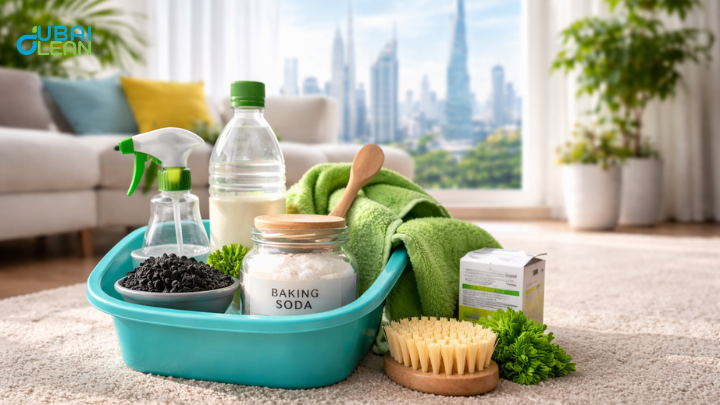
    Step 4: Gather Safe Cleaning Products Available in Dubai: For safely removing cigarette smoke from carpets in Dubai, use baking soda, which naturally absorbs odors and is available in supermarkets. White vinegar acts as a gentle deodorizer and can be found in most grocery stores. Activated charcoal and Dubai-approved chemical-free carpet sprays also neutralize lingering smells safely around children and pets.

    By taking these preparatory steps, you ensure that your carpet cleaning is both safe for your family and effective at removing cigarette smoke odors.

    4. Natural, Safe Methods to Remove Smoke Smell

    For Dubai homeowners, natural methods provide a safe and effective way to remove cigarette smoke odors from carpets without harsh chemicals. Using simple solutions like baking soda, vinegar, activated charcoal, or essential oils protects your family and pets while improving indoor air quality. These methods are eco-friendly, affordable, and easy to apply at home. Following step-by-step instructions ensures carpets stay fresh and odor-free.

    how to remove cigarette smoke smell from carpet

    Baking Soda Method: Sprinkle a generous layer of baking soda on the carpet and let it sit for at least 24 hours, longer if odors are strong, then vacuum thoroughly. Baking soda naturally absorbs smoke particles and neutralizes odors without chemicals, making it safe for family and pets.

    White Vinegar Spray: Mix 1 part white vinegar with 3 parts water and lightly mist the carpet, avoiding over-saturation, then let it air dry completely. Vinegar neutralizes smoke odors naturally, offering a safe, chemical-free, eco-friendly solution for Dubai homes.

    Activated Charcoal: Place bowls or sachets of activated charcoal around the room or on the carpet for 24–48 hours to absorb lingering smoke particles. Replace or recharge charcoal as needed. This non-toxic method works silently and is safe for children and pets.

    Essential Oil Boost (Optional): Add a few drops of lavender, eucalyptus, or tea tree oil to water and lightly mist the carpet after cleaning with baking soda or vinegar. Let it air dry. Essential oils provide a pleasant, natural fragrance while keeping your home free from harmful chemicals.

    5. Professional Carpet Cleaning Options in Dubai

    For stubborn cigarette smoke odors in older or heavily smoked-in carpets, professional carpet cleaning in Dubai offers safe and effective solutions. Certified cleaners use steam extraction or eco-friendly products to remove embedded smoke particles while protecting indoor air quality. These methods are health-safe, chemical-free, and ideal for families, children, and pets. Choosing a trusted service ensures carpets are fully cleaned and odor-free without compromising safety.

    6. Preventing Future Smoke Odors in Carpets

    After removing cigarette smoke odors, preventing them from returning is key to keeping your Dubai home fresh and healthy. Simple, proactive measures like smoke-free zones, regular vacuuming, and natural odor absorbers maintain indoor air quality. These steps protect carpets from dust and smoke buildup and reduce the need for frequent deep cleaning. Consistent care ensures a safe, odor-free environment for family, children, and pets.

    Implement Smoke-Free Zones

    Designate areas such as living rooms or bedrooms as smoke-free zones and encourage smoking outdoors or in well-ventilated spaces. This prevents smoke from settling into carpets and furniture, helping maintain long-term freshness.

    Regular Vacuuming and Airing

    Vacuum carpets 2–3 times per week using a HEPA-filter vacuum to capture fine smoke and dust particles. Air rooms and carpets daily, especially during cooler, less dusty times in Dubai, to reduce airborne particle accumulation.

    Use Odor Absorbers Proactively

    Sprinkle baking soda on carpets every 1–2 weeks and vacuum after a few hours, or place activated charcoal bowls in rooms to absorb lingering odors. These natural solutions help prevent smoke smells from returning without chemicals.

    Conclusion

    Cigarette smoke odors in carpets can be removed safely with baking soda, vinegar, charcoal, or essential oils, protecting family and pets. Preventive steps like smoke-free zones, regular vacuuming, and odor absorbers keep Dubai homes fresh and healthy. For stubborn odors, professional eco-friendly carpet cleaning services ensure clean carpets and safe indoor air quality.

    FAQs

  • How to Clean Carpet with Bicarbonate of Soda for a Healthy Home

    How to Clean Carpet with Bicarbonate of Soda for a Healthy Home

    Keeping your home clean and healthy is a top priority for families in Dubai. Carpets can harbor dust, allergens, and odors that affect your indoor air quality and overall health. Using bicarbonate of soda (baking soda) is a simple, natural, and effective way to clean carpets without harsh chemicals. This guide explains step-by-step methods and tips to maintain a healthier home environment.

    1. Why Bicarbonate of Soda is Ideal for Carpet Cleaning

    Bicarbonate of soda, also known as baking soda, is a natural, non-toxic cleaner that effectively lifts dirt, stains, and odors without harming carpet fibers. Its chemical composition neutralizes acids and absorbs moisture, making it safe for homes with children, pets, and allergy sufferers. It naturally deodorizes carpets and reduces bacteria in high-traffic areas. For Dubai families, it provides a chemical-free, eco-friendly way to maintain a clean and healthy home environment.

    Natural Deodorizing and Antibacterial Properties

    Bicarbonate of soda binds with odor-causing molecules, leaving carpets smelling fresh. It also has mild antibacterial effects that reduce germs and allergens. This makes it a safe, effective, and eco-friendly option for keeping carpets clean and healthy.

    2. Step-by-Step Guide to Clean Your Carpet with Bicarbonate of Soda

    Cleaning your carpet with bicarbonate of soda is simple, natural, and highly effective for every home. This method helps lift dirt, remove odors, and reduce allergens without using harsh chemicals. By following a few easy steps, you can achieve a fresh, hygienic, and long-lasting clean carpet. It’s a safe and eco-friendly solution, perfect for families in Dubai who want a healthy home environment.

    Step 1: Vacuum Thoroughly: Start by vacuuming your carpet carefully to remove loose dust, dirt, and debris. This ensures that the bicarbonate of soda can work directly on stains and odors rather than getting trapped in surface dirt.

    Step 2: Sprinkle Bicarbonate of Soda Evenly: Generously sprinkle bicarbonate of soda over the entire carpet or focus on problem areas with stains or odors. Make sure the layer is even to allow maximum absorption.

    Step 3: Gently Rub or Brush Into Fibers: Use a soft brush or carpet broom to gently work the powder into the carpet fibers. This helps the bicarbonate reach deep into the pile, lifting dirt and neutralizing odors more effectively.

    Step 4: Let it Sit: Allow the bicarbonate of soda to sit for 30–60 minutes. This gives it enough time to absorb moisture, trap odors, and provide a mild antibacterial effect. For stubborn odors, you can leave it longer, even overnight.

    Step 5: Vacuum Again: Vacuum the carpet thoroughly to remove the bicarbonate of soda along with the trapped dirt and dust. Repeat in high-traffic areas if needed for a deeper clean.

    Optional Step: Add Essential Oils for Freshness: For an extra touch, mix a few drops of natural essential oils like lavender or tea tree with the bicarbonate before sprinkling. This not only enhances the scent but also adds antibacterial properties.

    3. Tips for Maintaining a Healthy Carpet in Dubai Homes

    Keeping your carpet clean goes far beyond occasional deep cleaning. Regular maintenance not only prolongs its life but also helps reduce dust, allergens, and bacteria that accumulate over time. In Dubai, where sand and indoor pollutants are common, consistent care is essential for a healthy and hygienic home environment. Simple practices like vacuuming, spot cleaning, and using natural solutions can make a significant difference in keeping your carpets fresh and safe for your family.

    Vacuum Regularly and Spot Clean: Vacuum your carpets at least 2–3 times a week to remove dust, dirt, and allergens. For spills or stains, act quickly with gentle spot cleaning using bicarbonate of soda or natural cleaners to prevent permanent marks.

    Avoid Excessive Moisture: Carpets exposed to too much water can develop mold and mildew, which are harmful to health. After cleaning, make sure carpets are completely dry before walking on them or replacing furniture.

    Rotate Carpet Placement: High-traffic areas can wear out faster than others. Rotating carpets periodically ensures even wear, prevents uneven fading, and helps maintain the carpet’s appearance for longer.

    Use Eco-Friendly Sprays or Natural Solutions: To keep carpets fresh between deep cleans, apply eco-friendly carpet sprays or natural solutions like diluted vinegar or essential oil mixes. This reduces chemical exposure and keeps your home healthier for children and pets.

    By following these simple tips, Dubai homeowners can maintain clean, safe, and long-lasting carpets, supporting a healthier indoor environment year-round.

    4. Common Mistakes to Avoid When Using Bicarbonate of Soda

    While bicarbonate of soda is a safe and effective carpet cleaner, using it incorrectly can reduce its cleaning power or even harm your carpet fibers. Common mistakes like over-wetting, skipping vacuuming, or ignoring stains can make results less effective. Applying harsh chemicals immediately afterward can also counteract its natural benefits. By avoiding these errors, you can ensure your carpet stays fresh, hygienic, and long-lasting, keeping your Dubai home safe and healthy.

    how to clean carpet with bicarbonate of soda (3)

    Using Too Much Water

    Bicarbonate of soda works best as a dry-cleaning agent. Adding excessive water can make the carpet damp, reduce the powder’s effectiveness, and increase the risk of mold or mildew growth in Dubai’s humid environment.

    Neglecting to Vacuum Thoroughly

    After sprinkling and letting the bicarbonate sit, failing to vacuum it completely can leave residue trapped in the fibers, which may attract more dirt and reduce the carpet’s freshness. Always vacuum carefully, especially in thick or high-pile carpets.

    Ignoring High-Traffic Areas and Stains

    Bicarbonate of soda needs to be applied where it’s needed most. Skipping high-traffic zones or stubborn stains can leave odors and dirt behind. Focus on problem areas for optimal cleanliness. This ensures a fresher, healthier carpet and reduces allergens throughout your home.

    Using Harsh Chemicals Immediately After Soda Treatment

    Applying strong chemical cleaners right after bicarbonate treatment can counteract its natural benefits and may even damage your carpet fibers. Stick to gentle, natural solutions if additional cleaning is necessary.

    By avoiding these mistakes, you ensure that your carpets stay clean, fresh, and healthy, contributing to a safer home environment for your family.

    5. Additional Benefits for Your Home and Health

    Using bicarbonate of soda for carpet cleaning does more than just remove dirt—it actively improves the health and hygiene of your home. For families in Dubai, where dust, sand, and indoor pollutants are common, these benefits are particularly important. It helps reduce allergens, neutralize odors, and lower bacteria levels in your carpets. By incorporating this natural cleaning method into your routine, you can maintain a fresher, safer, and healthier living environment for your entire family.

    Reduces Allergens and Dust Mites

    Bicarbonate of soda helps lift dust, pollen, and dust mites trapped in carpet fibers. This reduces allergy triggers and supports better respiratory health for children, adults, and elderly family members. It keeps carpets fresh and safe for your family’s health.

    Eliminates Lingering Odors Naturally

    Unlike chemical deodorizers, bicarbonate of soda neutralizes odors at the source, leaving carpets smelling fresh without artificial fragrances that can irritate sensitive noses. It also absorbs moisture and prevents the buildup of bacteria, keeping your carpets cleaner and healthier for longer.

    Cost-Effective and Safe for Pets and Children

    It’s a budget-friendly cleaning solution that is completely non-toxic, making it safe for homes with children and pets. There’s no need to worry about harmful residues or accidental exposure. Regular use also helps maintain carpet fibers, prolonging their life while keeping your home fresh and healthy.

    Incorporating bicarbonate of soda into your regular carpet cleaning routine is a simple, natural way to maintain a clean, healthy, and fresh home environment in Dubai.

    Conclusion

    Using bicarbonate of soda is a safe, natural, and effective way to clean carpets while protecting your family’s health. Regular maintenance helps reduce allergens, odors, and bacteria, ensuring a fresh and hygienic home. By adopting these simple tips, Dubai homeowners can enjoy clean carpets and a healthier living environment all year round.

    FAQs

  • How to Get Mildew Smell Out of Carpet Without Damaging Fibers

    How to Get Mildew Smell Out of Carpet Without Damaging Fibers

    In Dubai’s humid climate, carpets are prone to absorbing moisture, which can lead to stubborn mildew odors. Left untreated, these smells aren’t just unpleasant they can also trigger allergies, worsen respiratory conditions, and affect your family’s health. The good news is that you don’t need harsh chemicals or risk damaging your carpet fibers to eliminate mildew. In this guide, we’ll share practical, safe, and fiber-friendly solutions to keep your carpets fresh and healthy all year round.

    1. Carpet Mildew Causes and Health Risks in Dubai

    Maintaining clean, odor-free carpets in Dubai requires understanding why mildew forms and the risks it poses. This knowledge helps homeowners take proactive steps to protect both their property and health, establishing expertise and trustworthiness in the process. Understanding why mildew forms and its health risks helps Dubai homeowners protect both their carpets and family.

    What Causes Mildew in Carpets

    In Dubai, carpets often develop mildew due to high humidity, temperature fluctuations, and common factors like spills, condensation, and poor ventilation. Mildew growth in carpets is common in Dubai due to the region’s high humidity and temperature fluctuations. Key contributors include:

    • High humidity and AC condensation: Air conditioning units often create condensation, which can accumulate under carpets or near windows.
    • Water spills and leaks: Unattended spills from drinks, plumbing issues, or minor floods provide a perfect breeding ground for mildew.
    • Poor indoor ventilation: Enclosed spaces without proper airflow trap moisture, allowing mildew spores to thrive.

    Health Risks of Mildew Smell

    Mildew in carpets isn’t just unpleasant it can also pose health risks including allergies and respiratory issues for your family. Mildew is not just a nuisance; it can also impact your family’s health. Some common risks include:

    • Respiratory issues: Inhaling mold spores can trigger asthma attacks or worsen existing respiratory conditions.
    • Allergic reactions: Mildew may cause sneezing, itchy eyes, or skin irritation, especially in children and sensitive individuals.
    • Odor discomfort: Lingering mildew smells make indoor spaces unpleasant and affect overall comfort.

    According to the World Health Organization’s guidelines on indoor air quality, prolonged exposure to mold and damp environments increases respiratory risks and should be addressed promptly.

    2. Protecting Yourself While Cleaning

    Removing mildew from carpets requires careful attention to safety to protect both your health and your family. Always wear gloves and a mask, and ensure the area is well ventilated to avoid inhaling spores. Avoid using harsh chemicals that can release toxic fumes or damage your carpet fibers. Keep children and pets away from the cleaning area until the carpets are completely dry and safe to use. Following these precautions ensures a safe and effective cleaning process, especially in Dubai’s humid climate where mildew can spread quickly.

    3. Step-by-Step Methods to Remove Mildew Smell Without Damaging Fibers

    Mildew in carpets can develop quickly in Dubai’s humid homes and needs prompt attention. Removing mildew odor from carpets doesn’t have to involve harsh chemicals or risk damaging your fibers. These expert-backed, safe methods are tailored for Dubai’s humid climate and will help restore freshness while protecting your carpet investment.

    Dry the Carpet Thoroughly: Moisture is the main cause of mildew, so drying your carpet is the first step. Use dehumidifiers or your AC system to remove trapped moisture, and avoid direct sunlight on delicate fibers like wool or silk. Make sure carpets are fully dry before moving to the next step to prevent mildew from returning.

    Use Safe Cleaning Solutions: Natural solutions can remove mildew odor without damaging carpet fibers. Sprinkle baking soda over the affected area for 24 hours and then vacuum to absorb moisture and odors. For stubborn smells, gently blot a 1:1 vinegar and water solution, avoiding soaking the carpet.

    Steam Cleaning – Expert Tip: Steam cleaning is very effective for carpets that can tolerate moisture. Using low-temperature steam kills mold spores without damaging fibers. For high-value or delicate carpets, professional-grade steam cleaning services in Dubai ensure safety and the best results.

    Essential Oils for Odor Neutralization (Optional): Natural essential oils can help restore a fresh scent to your carpet. Mix a few drops of lavender or tea tree oil with water in a spray bottle, lightly mist the carpet, and allow it to air dry. Always test on a small area first to make sure the oil doesn’t stain or react with the carpet fibers.

    Preventing Mildew Return: Prevention is better than cure in Dubai’s humid climate, so keep indoor humidity below 60 percent, vacuum regularly, attend to spills, and use carpet protectors in high-risk areas.

    4. When to Call Professionals in Dubai

    Some mildew problems are too deep or persistent to handle with DIY methods alone. While DIY methods can often remove mild mildew odors, certain situations require professional guidance on mold and mildew in carpets to protect both your health and carpet investment. Calling a professional not only ensures effective odor removal but also prevents potential long-term damage.

    how to get mildew smell out of carpet (1)

    Some mildew problems are too deep or persistent for DIY methods. While mild odors can be handled at home, stubborn cases require professional help to protect your health and carpet. Experts ensure thorough odor removal and prevent long-term damage.

    Signs That DIY Methods Aren’t Enough

    Not all mildew problems can be solved with DIY methods. Sometimes the odor persists or the mold is hidden deep within the carpet fibers. Recognizing the signs early helps protect your health and prevents further damage to your carpet.

    • Persistent odor: If the mildew smell remains after thorough cleaning, it may indicate deep-seated mold or bacterial growth.
    • Visible mold or stains: Dark spots or fuzzy growth under or within the carpet fibers signal active mold that needs professional attention.
    • Fiber damage: Fraying, discoloration, or weakened fibers can make DIY cleaning risky and less effective.

    Benefits of Professional Carpet Cleaning

    Professional carpet cleaning offers more than just a fresh smell. Experts use safe solutions and specialized equipment to remove deep-seated mildew and odors. Their services help protect your carpet investment and ensure a healthier home environment.

    • Safe and approved cleaning solutions: Professionals use non-toxic, fiber-friendly chemicals that are safe for children and pets.
    • Specialized equipment: High-grade steam cleaners, extraction machines, and dehumidifiers remove moisture and odors far more effectively than home methods.
    • Thorough odor and mold removal: Expert technicians target both surface and deep-seated mildew, preventing recurrence and improving indoor air quality a critical health consideration in Dubai’s humid climate.

    Certified carpet cleaning professionals follow industry standards and guidelines for mold remediation, ensuring both safety and long-term carpet preservation.

    5. Maintaining a Healthy Indoor Environment in Dubai

    Keeping your carpets fresh goes hand-in-hand with maintaining a tips for maintaining a healthy, mildew-free home, especially in Dubai’s humid climate. Proper indoor care not only prevents mildew but also protects your family’s health. Regular vacuuming, prompt attention to spills, and controlling indoor humidity are key to long-lasting freshness. Using eco-friendly cleaning products further ensures a safe, healthy living space for everyone in your home.

    • Ensure good air circulation: Regularly open windows when possible and use ceiling fans or HVAC systems to circulate air. Proper airflow helps prevent moisture buildup that encourages mildew growth.
    • Regular AC filter cleaning: Air conditioning systems in Dubai work year-round. Cleaning or replacing AC filters prevents dust, mold spores, and moisture from spreading into your living spaces.
    • Use eco-friendly cleaning products: Choose natural or certified safe cleaning solutions for your carpets and floors. This reduces exposure to harsh chemicals, safeguarding your family’s health and maintaining indoor air quality.
    • Link clean carpets to overall well-being: Maintaining odor-free, mildew-free carpets contributes to a fresher, healthier home. A clean living environment reduces allergy triggers, improves comfort, and enhances overall quality of life.

    Combining regular carpet care with good indoor air practices creates a safer, healthier home environment especially crucial in humid regions like Dubai.

    Conclusion

    Removing mildew smell from carpets can be done safely using methods like drying, baking soda, vinegar, low-temperature steam, or essential oils without damaging fibers. Keeping carpets clean not only improves appearance but also protects health, comfort, and well-being in Dubai’s humid climate. If odors persist, professional carpet cleaning ensures deep mold removal and keeps your family and carpet safe.

    FAQs

  • How to Clean Glass Out of Carpet Without Damage in Dubai

    How to Clean Glass Out of Carpet Without Damage in Dubai

    Accidents happen, and broken glass on carpets can pose serious risks for Dubai residents, families, tenants, and Airbnb hosts. Handling glass isn’t just about cleanliness it protects bare feet, pets, children, and prevents carpet damage. This guide covers safety-first techniques, essential tools, and a step-by-step cleanup process. Following these tips ensures your home stays safe, carpets remain in top condition, and injuries or costly repairs are avoided.

    1. Why You Can’t Leave Glass in Carpet

    Even tiny pieces of glass in your carpet can be more dangerous than they seem. They pose serious safety risks to children, pets, and barefoot adults, especially in Dubai’s hot homes. Beyond injuries, glass can damage carpet fibers and trap dirt, leading to long-term wear. Understanding these risks makes prompt cleanup essential for both safety and carpet preservation.

    Safety Risks 

    Even the tiniest pieces of broken glass pose a serious injury risk. Invisible shards can easily cut the feet of adults, children, or pets. In Dubai’s hot climate, where walking barefoot indoors is common, the danger increases significantly. A small shard hidden in carpet fibers can cause painful cuts, infections, or even lead to tetanus if left untreated.

    Long-Term Carpet Damage

    Glass doesn’t just threaten safety it can also harm your carpet. Sharp shards can abrade carpet fibers, leading to fraying or permanent damage. Over time, dirt and stains may accumulate around the embedded shards, making the carpet look worn and dirty. Neglecting to remove glass properly may result in costly carpet repairs or replacements, especially for high-quality carpets commonly found in Dubai homes, such as wool, Persian, or silk-blend varieties.

    Safety and carpet preservation principles emphasize that swift and careful cleanup protects both people and property, which aligns with expert cleaning practices worldwide.

    2. Essential Safety First Steps

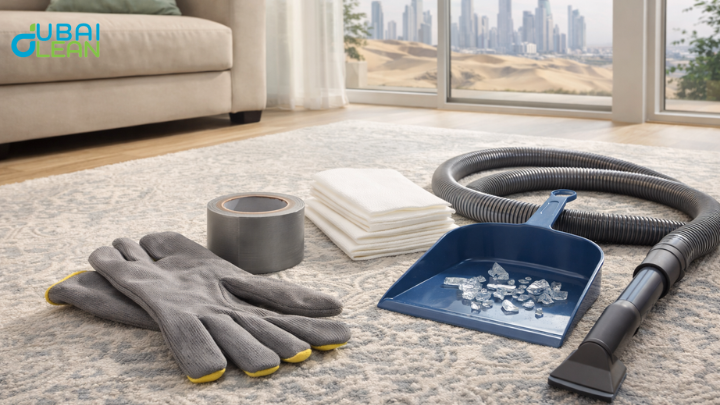
    Before you start removing glass from your carpet, it’s crucial to prioritize safety. Handling broken glass can lead to serious injuries if proper precautions are not taken. Be sure to use gloves, closed-toe footwear, and eye protection while handling broken glass. Additionally, keep children and pets away from the area until cleanup is fully completed.

    Protect Yourself: Before handling broken glass, always wear closed-toe shoes, thick gloves, and eye protection to prevent injuries. Keep children and pets away until the area is completely safe. Emphasizing these protective measures builds trust and ensures safe cleanup.

    Prepare the Area: Before cleaning, move furniture and remove rugs to access all glass shards safely. Ensure good lighting so tiny pieces are visible, and consider placing warning signs or tape to keep others away. These safety-first steps reduce injury risk and make cleanup more effective.

    3. How to Remove Glass From Carpet (Safe & Effective)

    Removing broken glass from carpet requires patience and careful technique. Follow these steps to ensure safety, prevent carpet damage, and remove every shard efficiently. Start with larger shards first before tackling tiny pieces. Using the right tools and methods will make cleanup faster and safer for your home. Following these steps also helps protect your family and pets from injury.

    Large Pieces First

    Start by carefully picking up the larger glass shards with gloves, using a rigid dustpan or cardboard to prevent them from embedding deeper. Avoid sweeping aggressively and dispose of shards immediately in a sturdy, puncture-proof container. For light-colored carpets, work slowly to prevent scratches or visible marks.

    Tape Method for Small Pieces

    Even tiny micro shards can be dangerous, so use duct or packing tape to lift them safely. Press the tape gently onto the carpet and lift slowly, repeating across the area until all shards stick. This method works especially well for high-pile carpets common in Dubai living rooms and majlis areas.

    Vacuum with Care

    A vacuum can help remove smaller, hidden shards, but it must be used carefully. Attach the hose only and avoid brush rolls that could scatter glass. Go over the area multiple times in different directions, and empty the vacuum immediately to prevent damage. For wall-to-wall carpets, using a handheld vacuum provides better control over tiny shards.

    Damp Paper Towel Sweep

    For the finest glass splinters, press a damp paper towel lightly onto the carpet so tiny shards stick. Carefully fold and dispose of the towel in a sealed container to prevent injury. This final sweep ensures your carpet is safe for barefoot walking, especially in Dubai’s hot homes.

    4. Tools Dubai Homes Should Have for Incidental Glass Cleanup

    Having the right tools on hand makes cleaning broken glass from carpet safer, faster, and more effective. For Dubai residents, these items are especially important due to high-value carpets and barefoot indoor culture. Essential tools include thick gloves, eye protection, duct tape, a rigid dustpan, a vacuum with hose, and disposable towels. Keeping these items ready ensures efficient and injury-free cleanup whenever accidents happen.

    how to clean glass out of carpet (2)

    Essential Tools

    • Thick Safety Gloves – Protects your hands from cuts while handling shards.
    • Eye Protection – Prevents tiny glass pieces from injuring your eyes, especially when vacuuming or lifting shards.
    • Tape (Duct or Packing) – Ideal for picking up micro shards that are invisible to the naked eye.
    • Rigid Sheet or Paperboard – Helps scoop up larger pieces safely without pushing glass deeper into carpet fibers.
    • Vacuum with Hose Attachment – Efficiently removes small shards while avoiding scattering them.
    • Disposable Towels – Useful for the final sweep to catch tiny splinters and for safe disposal.

    This structured list is optimized for featured snippets, helping Dubai users quickly find essential safety tools for glass cleanup.

    5. Common Mistakes to Avoid

    Even small errors during glass cleanup can increase injury risk or cause carpet damage. Avoid these common mistakes, such as rubbing shards deeper, using sweeping brushes, skipping protective gear, or vacuuming too soon. Following these tips ensures a safe, efficient cleanup and preserves your carpet’s quality.

    Rubbing Glass Deeper Into Carpet

    Aggressive wiping or scrubbing can push glass shards deeper into carpet fibers, making them harder to remove and increasing the risk of injury. Always use gentle lifting methods like gloves, dustpans, or tape. Avoid any actions that might embed shards further or damage carpet fibers.

    Using Sweeping Brushes That Spread Shards

    Bristle brushes can scatter glass across the carpet or push shards deeper into the fibers, making cleanup more difficult. Instead, use rigid sheets, dustpans, and strong tape to collect shards safely. This method reduces the risk of injury and helps preserve your carpet’s condition.

    Skipping Protective Gear

    Using bare hands, open-toe shoes, or skipping eye protection can lead to cuts or serious injuries when cleaning broken glass. Always wear thick gloves, closed-toe shoes, and eye protection. Taking these precautions keeps you safe and prevents accidents during cleanup.

    Vacuuming Too Soon Without Clearing Large Pieces First

    Large shards can damage your vacuum cleaner or scatter further into the carpet if not handled properly. Always remove bigger pieces manually first to prevent this. This step also protects your family and pets from injury. Doing so ensures a safer and more thorough cleanup.

    Following these insider tips ensures both personal safety and carpet preservation, reflecting professional cleaning standards and trusted household practices.

    6. When to Call a Professional Carpet Cleaner in Dubai

    Sometimes, DIY cleanup isn’t enough, especially for large or complex glass spills. Knowing when to call a professional can save you time, prevent injuries, and protect your carpet investment. Professionals bring specialized tools and expertise to safely remove shards. This ensures your carpets remain undamaged and your home safe.

    Signs You Need Help

    • Large Spills Over a Wide Area: If broken glass covers most of a room, a professional team can efficiently and safely remove it.
    • High-Value Carpets: Persian rugs, wool, or silk-blend carpets require specialized handling to prevent permanent damage.
    • Shards Deeply Embedded: Tiny shards that have penetrated deep into the carpet pile may be impossible to remove completely with household tools.

    Benefits of Professional Equipment

    • High-Powered Extraction Vacuums: Professionals use equipment that safely lifts embedded glass without spreading it.
    • Specialized Tools for Deep Cleanup: Tools designed for fragile or high-pile carpets ensure thorough cleaning without fiber damage.
    • Damage Prevention: Expert techniques prevent tears, fraying, or long-term wear, preserving the value and appearance of your carpet.

    Professional carpet cleaners combine experience, advanced tools, and safety protocols to protect both residents and their property, a trusted solution in Dubai households.

    7. Estimated Costs in Dubai for Glass Cleanup

    Understanding the cost implications of cleaning broken glass from carpet can help Dubai residents make informed decisions. Costs vary depending on whether you handle the cleanup yourself or hire professionals. DIY cleanup is cheaper but time-consuming, while professional services ensure safety and thorough removal. Considering carpet type, spill size, and urgency will help you choose the best option.

    Conclusion

    Cleaning broken glass from carpet requires careful, step-by-step action to protect both your family and your carpet. Prioritizing safety, using the right tools, and knowing when to call professionals ensures effective cleanup without damage. Share your experiences or questions below to help others in Dubai stay safe and keep their homes pristine.

    FAQs

  • How to Effectively Dry Soaked Carpets After Flood in Dubai

    How to Effectively Dry Soaked Carpets After Flood in Dubai

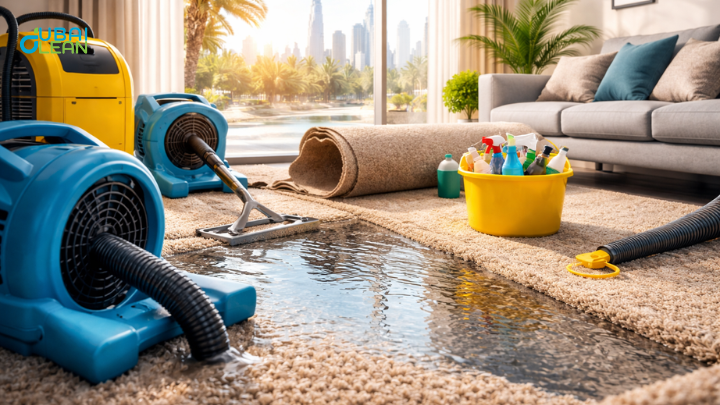
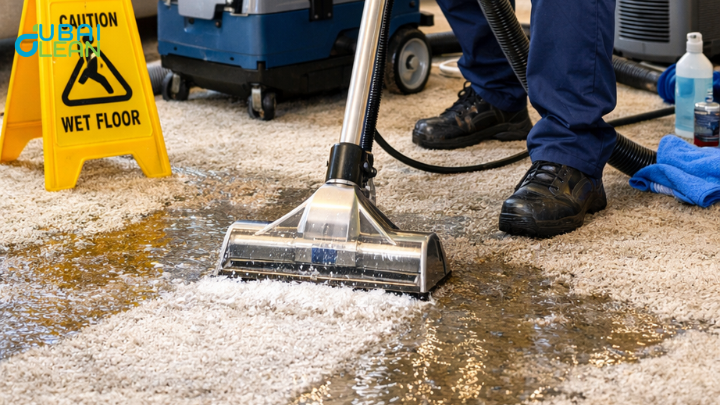
    Floods and water damage in Dubai homes, caused by heavy rains, plumbing leaks, or AC issues, can quickly ruin carpets if not dried properly. A soaked carpet risks mold, bacteria growth, and structural damage, affecting both health and property. Knowing the best way to dry soaked carpet is essential to protect your family and home investment. This blog shares expert-backed, safe, and actionable methods for drying carpets after floods efficiently and preventing long-term damage.

    1. Understanding the Risks of Wet Carpets

    When a carpet becomes soaked from flooding or water leaks, it’s not just an inconvenience it poses real health and structural risks to your home and family. Acting quickly isn’t just about aesthetic restoration; it’s about preventing dangerous problems that can develop in a short period of time. Prompt action also helps save your carpet investment and avoids costly repairs with carpet drying and flood repair solutions. Taking the right steps early ensures a safer, healthier indoor environment for everyone in your home.

    Health Risks: Mold, Allergens, and Bacteria Growth

    A wet carpet quickly becomes a breeding ground for mold, mildew, and harmful bacteria, which can trigger allergies, asthma, and infections, especially in children and the elderly. Even after the surface seems dry, deep moisture can persist in fibers and padding, allowing allergens and microbes to thrive. Prompt and proper drying is essential to protect health and maintain indoor air quality.

    Structural Risks: Weakened Carpet Backing and Floorboards

    Carpets aren’t just decorative; they sit atop layers including padding and the subfloor. Prolonged moisture exposure weakens the carpet backing and padding, causing fibers to lose resilience and texture. Over time, water can seep through to wood or concrete subfloors, leading to rot, warping, or long‑term structural compromise that often requires expensive repairs or full replacement.

    Impact on Home Value and Family Health

    Ignoring wet carpet issues doesn’t just affect comfort it can lower your property’s market value and impact health long‑term. Homes with visible water damage, lingering odors, or mold problems are often rated lower by buyers and inspectors because of the costs and risks associated with remediation.

    2. Immediate Steps to Take After a Carpet Gets Soaked

    When your carpet gets soaked, acting quickly can make the difference between a simple cleanup and long-term damage. Time is critical to prevent mold growth, structural problems, and health hazards. Using the right tools and methods ensures faster drying and protects both your home and family.

    Prioritize Safety First: Before cleaning a soaked carpet, prioritize safety by unplugging nearby electrical appliances, wearing shoes with good grip to avoid slips, and using protective gloves if the water is dirty or flood-related to prevent exposure to bacteria or chemicals.

    Remove Excess Water Immediately: Quickly removing standing water is essential to prevent mold, bacteria, and odors. Blot excess water with mops or towels, and for larger areas, use a wet vacuum or water extractor to remove moisture from deep within the carpet and padding, speeding up the drying process.

    Act Fast to Minimize Damage: The longer water sits, the greater the risk of damage. Mold can develop within 24–48 hours, and carpet backing or subfloor materials may warp or weaken. Acting immediately helps protect your health and preserve your property’s value.

    Dubai’s hot and humid climate may seem like it would help dry carpets faster, but indoor humidity can actually slow natural drying. Air-conditioned homes often trap moisture, making it harder for carpets to dry on their own. Using fans, dehumidifiers, or professional drying equipment is often necessary to prevent long-term damage.

    3. Best Way to Dry Soaked Carpet

    When it comes to protecting your home and health, knowing the best way to dry soaked carpet is essential. Proper drying not only prevents mold, bacteria, and odors, but also preserves the integrity of your carpet fibers and flooring. Follow these expert-recommended steps for a safe and effective drying process. Taking action quickly also helps maintain your home’s value and ensures a healthier living environment for your family.

    Step 1: Elevate Carpet Edges to Allow Airflow

    Carefully lift the edges of the wet carpet and padding to allow air to circulate underneath. For smaller sections, roll them up and place on a clean, dry surface. This helps reduce trapped moisture, preventing mold growth and damage to the carpet backing. Ensuring proper airflow also speeds up drying and restores the carpet’s texture more effectively.

    Step 2: Use Industrial Fans or Blowers

    For larger areas, set up high-powered fans or blowers to speed up evaporation. Position fans to create cross-ventilation, pushing air beneath and over the carpet. In Dubai homes, where indoor spaces are often air-conditioned, circulating air is far more effective than relying on natural ventilation alone.

    Step 3: Apply Moisture Absorbers or Dehumidifiers

    Use moisture absorbers like silica gel packets or specialized carpet drying powders to pull water from deep within the fibers. Dehumidifiers help combat indoor humidity, which can slow drying even in air-conditioned rooms. For heavy flooding, consider commercial-grade dehumidifiers available in Dubai hardware or cleaning supply stores.

    Step 4: Maintain Carpet Fibers and Prevent Shrinkage

    Avoid direct sunlight or high heat, which can shrink or fade the carpet, and gently fluff fibers during drying to restore texture. Ensure the padding underneath is fully dry before placing furniture back to prevent indentations or mold growth. For best results, combine these steps with professional carpet drying equipment for a safe, fast, and effective process that protects your carpet and family’s health.

    4. Drying Carpet After Flood: Advanced Techniques

    After a major flood or severe water damage, simple mopping and fans may not be enough. Knowing the best methods for drying carpet after flood can prevent long-term damage, health hazards, and expensive repairs. Using professional techniques or proper equipment ensures thorough drying and protects both your home and family. Acting quickly also helps maintain the carpet’s quality and prevents hidden mold growth.

    dry soaked carpets after flood

    Professional Solutions

    For serious water damage, professional carpet restoration services use advanced equipment to ensure a safe and thorough drying process. These techniques help remove moisture deep within the carpet and padding. They also prevent long-term damage and protect your home and family’s health.

    • Truck-mounted extractors: These powerful machines remove water deep from carpet fibers and padding.
    • Heat drying systems: Controlled heat speeds up evaporation without damaging carpet fibers.
    • Antimicrobial treatments: Prevent mold, bacteria, and unpleasant odors, especially critical in flood-affected homes.

    These professional approaches are often necessary for large areas, long-duration water exposure, or contaminated water (e.g., floodwater or sewage).

    DIY Alternatives for Dubai Residents

    For minor floods or small wet areas, you can combine professional knowledge with safe home techniques. Use high-powered fans and open windows to speed up drying. Apply mild, carpet-safe cleaning solutions to remove contaminants and prevent odors.

    • High-powered fans: Direct airflow across the carpet to speed drying.
    • Open windows: Encourage natural ventilation, especially during dry, windy days in Dubai.
    • Safe cleaning solutions: Mild detergents or carpet-safe disinfectants can remove contaminants while drying.

    Always monitor moisture levels to ensure no hidden damp spots remain, which could lead to mold later.

    Tips to Prevent Mold and Odor After Flooding

    After a flood, wet carpets can quickly develop mold and unpleasant odors if not dried properly. Taking the right steps early helps prevent microbial growth and lingering smells. The following tips show how to keep your carpets clean, dry, and safe after flooding.

    • Lift carpets periodically and fluff fibers to allow even airflow.
    • Place moisture absorbers under carpets in humid areas.
    • Use dehumidifiers to reduce indoor humidity, especially in Dubai’s hot and humid climate.
    • Regularly check the subfloor and carpet padding for lingering dampness.

    5. Preventing Future Damage

    Preventing carpet water damage is always better than repairing it. Implementing the right precautions can protect your home, your health, and your investment while reducing the risk of costly restoration. Simple steps like using water-resistant pads and regular maintenance can make a big difference.

    Use Water-Resistant Carpet Pads: Water-resistant or waterproof carpet pads act as a barrier between your carpet and the subfloor, reducing moisture absorption. They help maintain carpet integrity during spills or minor flooding and are widely available in Dubai’s home improvement stores.

    Elevate Carpets in Flood-Prone Areas: In areas like balconies, basements, or laundry rooms, raise carpets slightly off the floor using small supports or trays. This prevents direct contact with water during seasonal rains or plumbing leaks.

    Regular Maintenance and Immediate Action: Vacuum and clean carpets regularly to remove dust and debris that trap moisture. Act immediately if a spill occurs, and monitor hidden areas like carpet edges and padding to prevent mold growth and fiber damage.

    Dubai-Specific Advice: Dubai’s climate brings occasional heavy rains and high humidity, and AC leaks are a common cause of indoor carpet soaking. Use portable dehumidifiers, fans, and regularly inspect AC drip pans and drain lines. For flood-prone areas, consider tiles or water-resistant rugs, which are easier to dry and maintain.

    6. Choosing Professional Carpet Restoration Services in Dubai

    After severe flooding, hiring a certified and insured carpet restoration service in Dubai ensures thorough cleaning, drying, and treatment. Choose providers with experience, safety practices, eco-friendly products, and local expertise for the best results. Professionals use industrial extractors, dehumidifiers, and antimicrobial treatments to remove deep moisture and prevent mold. Clear communication and guidance on preventive measures protect your family, home, and property value.

    Conclusion

    Properly drying soaked carpets in Dubai is essential to prevent mold, protect your family’s health, and preserve your home’s value. By following expert-backed methods and acting quickly, you can safely restore your carpets and avoid long-term damage. Contact certified carpet restoration professionals in Dubai to ensure a fast, thorough, and worry-free cleanup.

    FAQs

  • How to Clean Carpet After Water Damage Safely in Dubai Homes

    How to Clean Carpet After Water Damage Safely in Dubai Homes

    Water damage in Dubai homes is more common than many residents realize, caused by the humid climate, plumbing leaks, or AC condensation. Left untreated, wet carpets can develop mold and mildew, posing health risks and causing permanent fiber damage that shortens carpet lifespan. This blog shares safe, expert-backed methods to restore carpets, prevent mold, and protect your home investment. Whether from minor leaks or accidental spills, these strategies help you clean wet carpets safely and effectively.

    1. Understanding Carpet Water Damage

    Water damage can happen quickly, and the type of water that soaks your carpet determines both the level of risk and the cleaning method required. Recognizing whether the water is clean, grey, or black is crucial to protect your family’s health and prevent permanent carpet damage. Understanding these factors is essential for safe and effective carpet restoration in Dubai homes.

    Causes of Water Damage in Dubai Homes

    Water damage in Dubai homes often results from plumbing leaks, burst pipes, AC condensation, or rare flooding. Understanding these causes helps homeowners prevent costly carpet damage and health risks. Several factors contribute to water damage in residential properties across Dubai:

    • Burst Pipes and Plumbing Leaks: Aging or faulty plumbing can release clean water into carpets, especially in kitchens, bathrooms, or laundry areas.
    • Air Conditioning Condensation: With Dubai’s hot and humid climate, AC units often produce condensation. If drainage is blocked or improperly installed, this water can accumulate and seep into carpets.
    • Accidental Spills or Appliance Leaks: Washing machines, dishwashers, and water dispensers sometimes leak, causing localized water damage.
    • Rare Heavy Rain or Flooding: While uncommon, sudden heavy rainfall can flood ground-floor apartments or poorly drained areas, leading to carpet saturation.

    According to Dubai Municipality guidelines, homes with improper drainage or plumbing maintenance are at higher risk of indoor water damage, making proactive measures essential.

    Types of Water Damage and Their Risks

    Water damage can vary in severity depending on the source and contamination level. Knowing the types of water clean, grey, or black helps Dubai homeowners assess risks and choose safe cleaning methods. Water damage is categorized based on contamination levels, which directly affect health and safety risks:

    Clean Water: Comes from sources like burst pipes or sink overflows and poses a low risk. However, if left untreated, prolonged exposure can weaken carpet fibers and encourage mold growth.

    Grey Water: Comes from leaks in appliances, dishwashers, or washing machines and carries a moderate risk. It may contain chemicals or bacteria, so carpets must be disinfected thoroughly to prevent illness.

    Black Water: Comes from sewage leaks, floodwater, or contaminated stormwater and carries a high risk. It contains harmful pathogens and poses serious health hazards, so professional cleaning is strongly recommended.

    Untreated carpets, especially those affected by grey or black water, can become breeding grounds for bacteria and mold. This not only damages the carpet fibers but can also compromise indoor air quality, posing health risks to families, children, and pets.

    2. Safety First: Personal & Home Protection

    Before attempting to clean a water-damaged carpet, safety should always be your top priority. Handling wet carpets improperly can pose health risks, electrical hazards, and further property damage, making this step critical for Dubai homeowners. Wearing protective gear, ensuring proper ventilation, and keeping children and pets away are essential measures to prevent accidents and contamination.

    Wear Protective Gear: Always use gloves and masks when handling wet carpets, especially if the water may be contaminated (grey or black water). Protective gear prevents skin irritation, allergic reactions, and inhalation of harmful mold spores.

    Ensure Electrical Safety: Water and electricity are a dangerous combination. Before starting, unplug nearby electronic devices and ensure that extension cords or floor outlets are dry and safe. Avoid walking on wet carpets near live sockets.

    Ventilate the Room: Proper airflow helps reduce moisture buildup, which prevents mold and mildew growth. Open windows, use fans, or run a dehumidifier to accelerate drying while maintaining good indoor air quality.

    Keep Children and Pets Away: Water-damaged carpets can harbor bacteria and other pathogens, especially from grey or black water. To protect the health of your family and pets, restrict access to affected areas until the carpet is fully cleaned and dried.

    Following these safety measures not only protects your health but also prevents costly property damage. Acting responsibly demonstrates a trusted, expert approach to carpet water damage in Dubai homes.

    3. Step-by-Step Carpet Cleaning After Water Damage

    Restoring a water-damaged carpet requires prompt and careful action to protect your home and family’s health. Acting quickly prevents mold growth and permanent fiber damage. This section provides expert-backed steps for cleaning wet carpets safely in Dubai homes. Following these methods ensures your carpet is hygienic, dry, and long-lasting.

    how to wash carpet at home (1)

    Quick Water Extraction

    Restoring a water-damaged carpet begins with quick water extraction. Using wet vacuums, mops, or absorbent towels, you should remove as much standing water as possible immediately. Acting within 24 to 48 hours is crucial, as prolonged moisture dramatically increases the risk of mold growth and permanent damage to carpet fibers. Prompt extraction helps protect both your property and indoor air quality.

    Drying Techniques

    Once the excess water is removed, the carpet must be dried properly. Using fans, dehumidifiers, and ensuring proper airflow accelerates the drying process while reducing room humidity. It is important to avoid direct sunlight, which can fade or warp carpet fibers. Proper drying preserves the carpet’s appearance and prevents hidden moisture from promoting mold and mildew growth.

    Cleaning & Disinfecting

    After drying, the carpet should be cleaned and disinfected. Mild detergents or professional-grade carpet cleaners safe for Dubai homes help remove bacteria, dirt, and contaminants without damaging fibers. For a natural approach, vinegar or baking soda can be applied to neutralize odors and maintain hygiene. Effective cleaning ensures a safe and healthy environment for your family.

    Preventing Mold & Mildew

    Preventing mold and mildew is the final and most important step. Inspect the carpet backing and padding for early signs of mold, especially in humid areas of the home. Applying eco-friendly antimicrobial sprays adds an extra layer of protection. Regular monitoring for 7 to 10 days after cleaning ensures that moisture pockets or mold growth do not develop, keeping your carpet safe and extending its lifespan.

    4. When to Call Professionals

    Water damage can sometimes be more severe than a homeowner can safely manage. Knowing when to call professional help protects both your family’s health and your carpet investment. Experts have the tools and experience to handle contaminated or heavily soaked carpets safely. Seeking timely assistance ensures effective restoration and prevents long-term damage.

    Black Water or Severe Flooding: If your carpet has been exposed to black water, such as sewage leaks or floodwater, do not attempt to clean it yourself, as it contains harmful pathogens that pose serious health risks. Carpets affected by severe flooding may also require specialized equipment for safe and effective restoration.

    Persistent Odors or Visible Mold: Even after initial cleaning, some carpets may retain strong odors or show visible signs of mold growth. These issues indicate that moisture is trapped deep within the fibers or padding. Professional intervention is necessary to prevent further damage and eliminate health hazards.

    Dubai-Certified Carpet Restoration Services: Dubai residents should hire certified local professionals for water-damaged carpet restoration, as they use advanced extraction, drying, and antimicrobial treatments to ensure safety and compliance. Trusted experts not only restore carpets effectively but also protect your family from health risks.

    5. how much does it cost to wash a carpet

    The cost of washing a carpet in Dubai varies depending on several factors, including the size of the carpet, the level of dirt or damage, and the cleaning method used. Professional services may charge more for heavily soiled or water-damaged carpets that require specialized treatment. Understanding these costs helps homeowners plan their budget effectively and avoid unexpected expenses. In this section, we break down typical carpet cleaning prices and what influences them.

    Carpet Size / AreaEstimated Cost in Dubai (AED)Notes
    Small (up to 50 sq. ft.)150 – 300 AEDMinor spills or pipe leaks, DIY possible for very small areas
    Medium (50 – 150 sq. ft.)300 – 600 AEDProfessional cleaning recommended for faster drying
    Large (150+ sq. ft.)600 – 1,200 AEDCovers full-room carpet cleaning and drying
    Small250 – 500 AEDContains mild contaminants, requires disinfecting
    Medium500 – 900 AEDIncludes sanitization and deodorization
    Large900 – 1,800 AEDMay require professional extraction and padding treatment
    Small400 – 800 AEDHigh-risk, professional restoration mandatory
    Medium800 – 1,500 AEDAdvanced cleaning and antimicrobial treatment needed
    Large1,500 – 3,000+ AEDFull professional restoration with safety compliance

    6. Prevention Tips for Future Water Damage

    Preventing water damage before it occurs is always better than repairing it afterward. Dubai’s hot and humid climate, combined with occasional plumbing issues, makes proactive measures essential for every homeowner.

    Regular Plumbing and AC Inspections

    One of the most effective ways to avoid carpet water damage is to regularly inspect plumbing lines, air conditioning units, and rooftop drains. Early detection of leaks, blocked drains, or AC condensation issues can prevent minor problems from escalating into costly water damage. Scheduling routine maintenance with certified professionals in Dubai helps ensure that your home stays dry and safe year-round.

    Use Water-Resistant Carpets or Underlayments

    In high-risk areas such as kitchens, bathrooms, or near AC units, consider installing water-resistant underlayments or carpets. These products reduce the risk of water seeping into the carpet fibers and padding, protecting your investment while making cleanup easier in case of minor spills.

    Quick Cleanup Protocols

    Even with preventative measures, accidents can happen. Establishing quick response protocols for spills or leaks can minimize water penetration and prevent mold growth. Keep absorbent towels, wet vacuums, and mild cleaning agents readily available, and act immediately to extract water before it causes lasting damage.

    Conclusion

    Prompt action, proper cleaning, and following safety measures are essential to protect your health and preserve the value of your home after carpet water damage. For severe flooding or contamination, consulting Dubai-based professionals ensures effective restoration and peace of mind. Protect your carpet and family health with expert carpet cleaning in Dubai to maintain a safe, hygienic living environment.

    FAQs