
Choosing the right grout may seem like a small detail, but it can make a world of difference. From saving you extra repair costs to ensuring your project lasts for years, grout is the hidden strength that protects your investment.Ever faced cracks in your walls, loose tiles in your flooring, or anchor bolts that just don’t hold? These problems often come down to one thing the wrong grout. Grout is far more than a simple filler it’s the hidden strength that holds structures together and ensures they remain durable over time..
In this guide, we’ll break down the most common types of grout: cementitious grout, anchor grout, non-shrink grout, and self-leveling grout in simple terms. By the end, you’ll know exactly which type to use, where to use it, and how each one can save you time, money, and unnecessary frustration.
1. Cementitious Grout – The Trusted Classic
Cementitious grout cleaning services in dubai is the most common and traditional type of grout. As the name suggests, it’s made from cement, water, and sometimes additives to improve performance. It’s the go-to choice for many construction and renovation projects because of its simple yet effective composition.
Why It Matters
This grout type has stood the test of time because it’s:
- Reliable – proven to work in countless applications.
- Affordable – budget-friendly without compromising strength.
- Easily Available – found in almost every hardware or building supply store.
In short, it’s a practical solution for everyday needs.
Best Applications
Cementitious grout is versatile and widely used for:
- Tile installations (both walls and floors).
- Repairing cracks in concrete or masonry.
- Filling voids and gaps in various structures.
Emotional Angle
Think of cementitious grout as the dependable friend who never lets you down. It may not be flashy or high-tech, but when you need strength, simplicity, and trust, this grout always delivers.
2. Anchor Grout – Securing Strength in Every Fix
Anchor grout is not just an ordinary filler; it is a high-performance material engineered to hold bolts, dowels, and heavy machinery with unmatched precision and strength. Wherever there is a need for stability under extreme loads and constant vibrations, anchor grout steps in as the silent protector, ensuring long-term safety and structural integrity.
What is Anchor Grout?
A specialized grout designed to fix and secure components like bolts, dowels, and machinery, making sure they remain firmly locked in place.
Key Benefits
Known for its high bonding strength, durability, and resistance to vibrations, it ensures stability even in demanding environments.
Where It’s Used
Commonly applied in bridges, industrial machines, and structural supports where safety and reliability are non-negotiable.
Emotional Angle
Like a strong handshake, anchor grout provides reassurance it grips firmly, never letting go, and gives confidence that everything will stay secure.
3. Non-Shrink Grout Uses – No More Cracks, Just Confidence
Non-shrink grout is a specially engineered material designed to retain its volume even after it sets and hardens. Unlike traditional grouts that may shrink and leave behind gaps or cracks, non-shrink grout stays solid and reliable, making it a preferred choice for heavy-duty applications where strength and stability are non-negotiable.
Why Non-Shrink Is a Game Changer
By eliminating shrinkage, this grout prevents cracks and voids, ensuring structures remain stable and durable for the long term.
Common Applications
It is widely used for machinery base plates, column grouting, and areas exposed to heavy loads or constant stress.
Emotional Angle
Say goodbye to the frustration of cracks and gaps—non-shrink grout delivers peace of mind by keeping everything solid and dependable.
4. Self-Leveling Grout – Smooth, Flawless, Hassle-Free
What is Self-Leveling Grout?
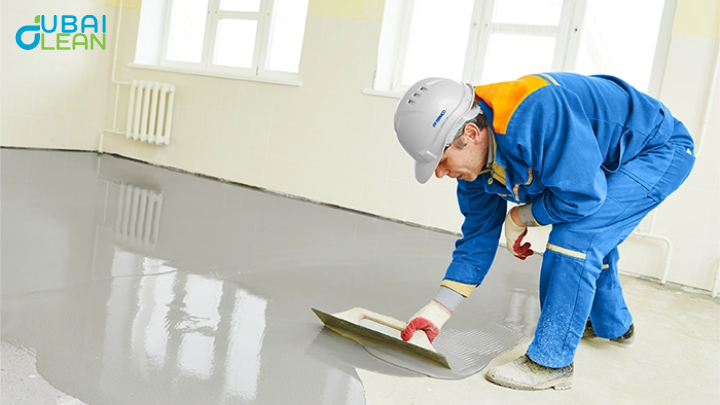
Self-leveling grout is a specially formulated, flowable material designed to spread evenly across surfaces with very little manual intervention. Unlike traditional grout, which often requires careful smoothing and adjusting, self-leveling grout naturally finds its level as it flows, filling gaps and creating a smooth, even surface.
Why People Love It
There are several reasons why self-leveling grout has become a favorite in both residential and commercial projects:
- Time Savings: Traditional grouting methods can be slow and labor-intensive. Self-leveling grout eliminates much of the manual spreading and smoothing.
- Professional Finish: Because it flows evenly, it minimizes the risk of lumpy, uneven lines, resulting in a flawless, high-end appearance that looks like it was installed by a pro even if you did it yourself.
- Reduced Physical Strain: Grouting can be tough on the body, involving a lot of bending, kneeling, and repetitive motion. With self-leveling grout.
- Consistency: Its uniform flow ensures that coverage is even, making it especially helpful when working with large or irregular surfaces.
Where It Works Best
Self-leveling grout shines in situations where precision and surface quality matter:
- Flooring Projects: It’s ideal for filling tile joints on expansive floor areas, where maintaining consistent grout lines can otherwise be challenging.
- Uneven Surfaces: If you’re dealing with slightly irregular or imperfect surfaces, the self-leveling properties help smooth out inconsistencies for a stable finish.
- Decorative Finishes: Beyond practicality, it’s also used to achieve seamless, polished looks in decorative applications, enhancing the visual appeal of a space.
- Large-Scale Installations: In commercial or industrial projects where efficiency and uniformity are crucial, self-leveling grout reduces errors and rework.
5. How to Choose the Right Grout for Your Project
With so many types of grout available, it can feel overwhelming to decide which one suits your project best. The good news is that by focusing on just a few key factors: load, location, finish, and budget you can quickly narrow down your options and make a confident choice. Think of it as matching the right tool to the job: once you know what you need, the answer becomes clear.
Quick Decision-Making Guide
- Cementitious Grout → Best for everyday use, tiles, and crack repairs.
- Anchor Grout → Ideal when fixing bolts, machinery, or structural supports.
- Non-Shrink Grout → grout is the ideal choice for projects that demand maximum stability
- Self-Leveling Grout → Go-to choice for smooth, even surfaces without extra effort.

Factors to Consider
Before choosing, ask yourself:
- Load: Will the area carry heavy weight or machinery?
- Location: Is it for tiles, structural supports, or flooring?
- Finish: Do you need a neat, smooth look or just structural strength?
- Budget: Are you looking for cost-effective or high-performance solutions?
Pro Tip
When in doubt, it’s always wise to consult a professional contractor or engineer. Their experience can save you from costly mistakes and ensure your project stays safe, durable, and worry-free.
Conclusion
From the dependable cementitious grout to the strength of anchor grout, the reliability of non-shrink grout, and the smooth finish of self-leveling grout, each type has its own unique role to play. Choosing the best grout cleaner one is less about complexity and more about matching the right solution to your project’s needs.The right grout doesn’t just hold things together it gives you confidence that your structure will stand the test of time.
Ready to choose the perfect grout? Explore trusted brands, weigh your project’s requirements, and don’t hesitate to consult an expert to ensure long-lasting results. Strong foundations start with the right grout make your choice with confidence today.