
Water is the backbone of life, yet it remains one of the most misused resources worldwide. In the United Arab Emirates, where the climate is naturally arid and freshwater resources are extremely limited, water conservation is not just an option it’s a responsibility. With rising population growth, urban development, and high per-capita water consumption, protecting every drop is essential for long-term sustainability, economic resilience, and environmental balance.
1. Water Scarcity in the UAE The Reality
The UAE is among the most water-scarce countries in the world. Unlike other nations that rely on natural lakes, rivers, and underground reserves, the UAE primarily depends on desalinated seawater, which is an expensive and energy-intensive process. Approximately 42% of the country’s potable water comes from desalination plants, which consume massive amounts of electricity and contribute to carbon emissions.
While the UAE government continues to invest heavily in desalination, smart infrastructure, and conservation initiatives, everyday water loss still occurs at homes and commercial properties. One of the biggest contributors to this hidden wastage is inefficient plumbing. Undetected leaks, aging pipes, faulty fixtures, and poorly designed irrigation systems can waste thousands of liters of water each year, driving up utility costs and putting unnecessary strain on national water resources.
At DubaiClean, we play an active role in supporting water conservation across the UAE through professional plumbing inspections, leak detection, and system optimization. By identifying problem areas early and upgrading inefficient plumbing components, we help residents and businesses reduce water wastage, lower bills, and contribute to a more sustainable future. In the sections ahead, we’ll highlight why water conservation matters, how plumbing impacts water efficiency, and what practical steps can be taken to safeguard this precious resource.
2. Key Water Scarcity Challenges in the UAE
Water scarcity in the UAE is driven by a combination of environmental and human factors that demand urgent attention. Extremely high per-capita consumption, limited natural freshwater sources, and harsh climatic conditions place continuous pressure on the nation’s water supply. When combined with unnoticed leaks and inefficient water usage in homes and industries, the risk to long-term sustainability increases significantly. Addressing these challenges requires awareness, responsible consumption, and professional plumbing solutions to minimize water loss.
| Challenge | Impact on Water Resources | Practical Solution |
|---|---|---|
| Extreme Water Consumption | Rapid depletion of water reserves and high desalination dependency | Install water-efficient fixtures and promote mindful daily usage |
| Limited Freshwater Resources | Groundwater depletion and long-term water insecurity | Regular plumbing audits to prevent leaks and water loss |
| Climate Change & High Temperatures | Increased evaporation and higher water demand | Smart irrigation systems and climate-adaptive water management |
| Wasteful Household & Industrial Practices | Unnecessary water wastage and inflated utility bills | Professional leak detection, pipe repairs, and efficient appliances |
3. Your Role in Water Conservation
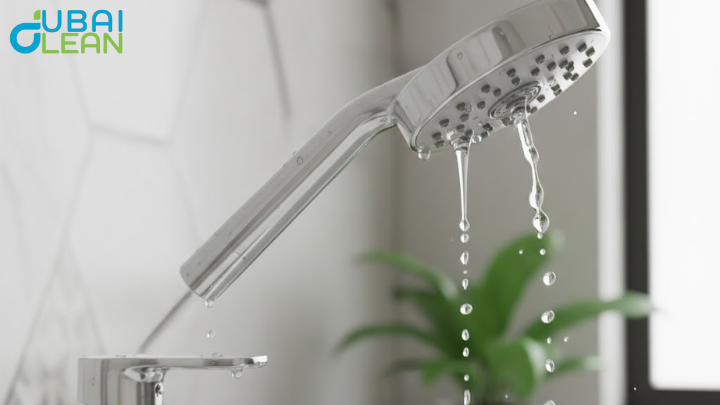
Water conservation is a shared responsibility that goes beyond government initiatives it starts with everyday choices made by individuals, households, and businesses across the UAE. By becoming more mindful of how water is used, even small actions can lead to meaningful reductions in wastage. Simple habits, such as turning off taps when they’re not in use during brushing, shaving, or dishwashing, can save up to 15 liters of water per minute and make a noticeable difference over time.
In addition to mindful usage, adopting efficient practices at home and work can dramatically reduce water loss. Fixing leaks immediately prevents thousands of liters from being wasted annually, while installing water-efficient appliances like low-flow showerheads and dual-flush toilets helps control daily consumption. Watering plants wisely, limiting unnecessary water heating, and upgrading plumbing systems can collectively cut water usage by up to 30%, easing pressure on the UAE’s limited water resources and supporting a more sustainable future.
4. The Importance of Plumbing and Water Leak Fixing
Plumbing maintenance plays a crucial role in reducing water wastage, especially in regions like the UAE where water resources are limited. Even minor plumbing faults can silently waste thousands of liters of water if left unattended. Undetected leaks, aging systems, and inefficient fixtures often go unnoticed until water bills spike or structural damage occurs. Proactive plumbing inspections are essential to prevent large-scale water loss and ensure long-term water efficiency.
- Leaky faucets and toilets can waste hundreds of liters of water daily if not repaired on time
- A single leaking toilet may lose over 200 liters of water per day, increasing annual utility costs
- Underground or concealed pipe leaks are hard to detect and often cause major water loss before discovery
- Hidden leaks inside walls can lead to mold growth, structural damage, and higher repair expenses
- Outdated plumbing fixtures consume more water than modern, efficient alternatives
- Old pipes and fittings are more prone to cracks, corrosion, and pressure-related leaks
- Faulty irrigation systems often overwater gardens and landscapes unnecessarily
- Poor irrigation planning leads to water runoff and evaporation instead of proper soil absorption
5. Tips to Preserve Water on Your Own
At DubaiClean, we go beyond traditional plumbing services to help Dubai residents and businesses achieve exceptional water efficiency and long-term savings. With our expert team, we identify hidden leaks, upgrade outdated fixtures, and optimize plumbing systems to ensure every property uses water responsibly. Our commitment to quality, efficiency, and customer satisfaction has made us one of Dubai’s most trusted names for water-saving solutions. By combining professional maintenance with smart water practices, DubaiClean helps you protect both your wallet and the environment.
6. Our Professional Leak-fixing Services in the UAE
- At DubaiClean, we provide top-notch plumbing solutions that focus on water conservation, efficiency, and sustainability.
- Advanced Leak Detection & Repair – We use state-of-the-art technology to detect hidden leaks without damaging your property.
- Eco-Friendly Plumbing Installations – Upgrade to low-flow faucets, dual-flush toilets, and high-efficiency water systems.
- Pipe Replacement & Maintenance – We inspect, clean, and replace old, corroded pipes to prevent costly leaks.
- Smart Irrigation Systems – We install water-efficient irrigation systems to reduce water waste in gardens.
- 24/7 Emergency Leak Repair – Got a sudden leak? We offer immediate assistance to prevent further damage.
Conclusion
Water conservation is essential for securing a sustainable future in the UAE, and every small effort makes a meaningful impact. By adopting mindful water-saving habits, maintaining efficient plumbing systems, and addressing leaks promptly, individuals and businesses can significantly reduce water wastage while lowering costs. At DubaiClean we are committed to delivering reliable, eco-friendly plumbing and leak-fixing solutions that protect valuable water resources and support a greener environment. Together, let’s build a more water-efficient UAE contact DubaiClean today to take the first step toward sustainable water management.