
Wallpaper can instantly transform a space, adding elegance, texture, and personality to your home or office. But here’s a hard truth many Dubai homeowners discover too late: wall surface damage before wallpaper fixing is one of the biggest reasons wallpaper fails, peels, bubbles, or cracks within months. In Dubai’s climate where humidity, heat, and frequent AC usage affect walls, ignoring wall surface issues can cost you time, money, and frustration. Whether you live in an apartment, villa, or commercial space, understanding wall surface damage before wallpaper installation is critical for long-lasting results.
1. What Is Wall Surface Damage?
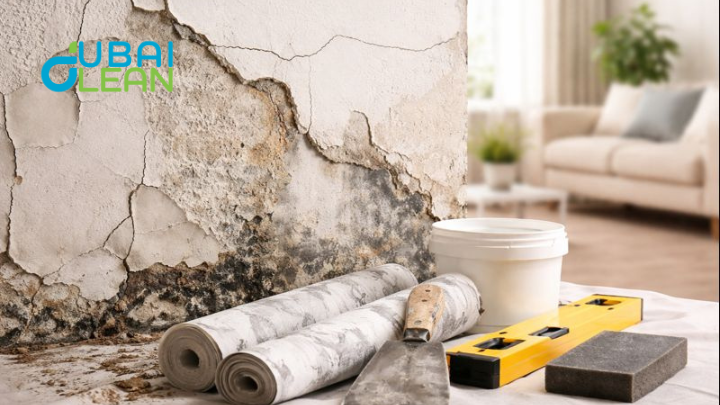
Wall surface damage refers to any visible or hidden imperfections on a wall that affect its strength, smoothness, and ability to hold finishes like paint or wallpaper. These issues may seem minor at first, but if left untreated, they can lead to peeling wallpaper, uneven finishes, and long-term structural problems especially in Dubai’s hot and humid environment.
Cracks and Structural Weakness
Cracks are one of the most common forms of wall surface damage and can occur due to building movement, temperature changes, or poor construction materials. Hairline cracks may look harmless, but they often expand over time, causing wallpaper seams to split or patterns to misalign. If structural cracks are not repaired properly before wallpaper fixing, they can compromise both appearance and durability.
Moisture, Dampness, and Mold
Moisture-related damage is a serious concern in Dubai homes, particularly in kitchens, bathrooms, and walls near air conditioning units. Damp walls may show stains, discoloration, or emit a musty smell, while mold growth poses health risks. Wallpaper applied over moisture-damaged walls is likely to peel, bubble, or develop mold underneath, making proper treatment essential.
Uneven, Peeling, or Contaminated Surfaces
Walls with peeling paint, old wallpaper adhesive, dust, or uneven patchwork create an unstable surface for wallpaper. These imperfections prevent proper bonding and result in visible bumps or early lifting at the edges. Professional surface leveling and cleaning ensure the wall is smooth, clean, and ready for a flawless wallpaper finish.
2. Why Wall Surface Damage Matters Before Wallpaper Fixing
Before applying wallpaper, it’s essential to assess the condition of your walls carefully. Any type of wall surface damage such as cracks, dents, peeling paint, or moisture stains can have a significant impact on the durability and appearance of wallpaper. Ignoring these imperfections may result in uneven adhesion, bubbling, or peeling over time, making the walls look sloppy and reducing the lifespan of the wallpaper. In addition, damaged walls may also hide underlying problems like structural issues or mold, which can worsen if not addressed beforehand. By properly repairing and preparing your walls, you ensure a smooth, even surface that allows the wallpaper to adhere securely, creating a visually appealing and long-lasting finish.
Cracks and Holes
Cracks and holes in walls, whether minor or extensive, are one of the most common issues homeowners face before wallpaper installation. Even small cracks can cause wallpaper to bubble or peel because the adhesive cannot form a uniform bond with the surface. Over time, these small imperfections can expand due to natural settling of the building, vibrations, or environmental factors like heat and humidity conditions that are particularly common in Dubai. Moreover, unaddressed cracks may allow moisture to seep in, leading to further deterioration and weakening the wall’s structural integrity. Repairing these cracks involves filling them with a suitable plaster or filler, sanding them down to create a smooth surface, and sometimes priming the area to ensure proper adhesion. By taking these precautions, you not only prevent future damage but also ensure that your wallpaper lays perfectly flat, giving your interiors a professional and polished look.
Moisture Issues
Moisture damage is another critical factor that can compromise wallpaper installation. Walls that have been affected by leaks, seepage, or condensation often retain dampness, which prevents wallpaper from sticking properly. This can lead to bubbling, peeling, or even discoloration over time. More importantly, persistent moisture behind wallpaper can create an ideal environment for mold and mildew growth, which poses serious health risks to occupants and may also damage the structural integrity of the wall. In Dubai, where high humidity is common in certain seasons, addressing moisture issues is especially important. This may involve repairing leaks, using dehumidifiers, or applying moisture-resistant primers to prepare the surface.
Uneven Surfaces
Walls with uneven textures, dents, bumps, or peeling paint can drastically affect the appearance of wallpaper. Even minor imperfections can be highly noticeable once wallpaper is applied, creating an uneven and unattractive finish that undermines the overall design. Wallpaper is designed to lay flat against a smooth surface, so any irregularities can disrupt patterns and make seams more visible. Professional wall preparation is crucial and typically involves sanding rough areas, filling dents, and priming the surface for better adhesion. In some cases, multiple layers of filler or skim coating may be required to achieve a perfectly smooth finish.
3. Common Types of Wall Surface Damage Before Wallpaper Fixing
Before installing wallpaper, it’s important to identify the type of wall surface damage present. Recognizing these issues early helps prevent wallpaper failure and ensures a smooth, long-lasting finish. In Dubai homes, several common problems frequently affect wall surfaces.
- Cracks and Hairline Fractures: Small or large cracks caused by building movement, temperature changes, or poor plaster.
- Dampness and Water Stains: Moisture from AC condensation, bathrooms, or plumbing leaks that weakens wall strength.
- Peeling Paint or Old Wallpaper Residue: Leftover paint or adhesive that prevents proper wallpaper adhesion.
- Uneven Plaster or Patchy Repairs: DIY or previous repair work leaving bumps or inconsistent textures.
- Mold and Mildew Spots: Hidden fungal growth caused by trapped moisture, which can affect health and wallpaper durability.
- Dusty or Chalky Wall Texture: Loose surface particles that reduce adhesive bonding and lead to early wallpaper peeling.
4. DIY vs Professional Wall Repair Before Wallpaper Fixing
When it comes to fixing wall surface damage before wallpaper installation, homeowners often wonder whether they can handle it themselves or should hire professionals. The choice depends on the type of damage, wall condition, and the desired quality of the wallpaper finish.
| Aspect | DIY Wall Repair | Professional Wall Repair |
| Best For | Minor hairline cracks, dry and stable walls | Major cracks, moisture damage, uneven surfaces, mold issues |
| Skill Level Required | Basic tools and skills | Expert knowledge, specialized tools, and techniques |
| Time Required | Short-term, but may require repeated fixes | Efficient, done right the first time |
| Cost | Low upfront, may lead to additional costs if mistakes occur | Higher upfront, saves money long-term by preventing damage |
| Durability | Shorter lifespan, higher risk of wallpaper peeling | Long-lasting, smooth, and flawless wallpaper finish |
| Safety | Safe for minor issues | Handles mold, damp walls, and structural risks professionally |
5. Professional Wall Preparation Process Before Wallpaper Fixing
Proper wall preparation is the key to achieving a smooth, long-lasting wallpaper finish. Professionals follow a structured process to repair, clean, and prime walls, ensuring that your wallpaper adheres perfectly and looks flawless.
- Deep Cleaning: Removal of dust, grease, old adhesive, and loose paint to create a clean surface for better wallpaper adhesion.
- Crack and Surface Repair: Filling cracks, holes, and uneven areas with appropriate fillers or plaster to ensure a smooth wall.
- Moisture and Mold Treatment: Applying damp-proof coatings and anti-mold solutions to prevent peeling and health risks.
- Priming and Leveling: Applying a primer and sanding the wall to create an even, sealed surface ready for wallpaper installation.
Final Thoughts
Wall surface damage before wallpaper fixing is not something to overlook. Even minor cracks, moisture, or uneven patches can ruin the appearance and longevity of your wallpaper. Proper inspection, repair, and preparation are essential steps to ensure a smooth, durable, and beautiful finish. By addressing wall surface issues early and choosing professional wall preparation services, Dubai homeowners can protect their investment, enhance their interiors, and avoid repeated repairs. At DubaiClean.com, we specialize in expert wall repairs and flawless wallpaper installation tailored to Dubai’s unique climate and building conditions.