
Dubai’s humid climate, combined with occasional water leaks, can turn your dream home into a hotspot for mold and moisture walls. Not only does this affect the aesthetics of your property, but it can also harm your health and reduce the lifespan of your walls. If you’ve noticed dark patches, peeling paint, or a musty smell in your home, it’s time to act fast. In this guide, we’ll explore why mold and moisture damage happens, how expert painting can protect your walls, and actionable steps Dubai residents can take to safeguard their homes.
1. Why Mold & Moisture Walls Are a Growing Concern in Dubai
Dubai’s unique climate, with its combination of high humidity and occasional heavy rainfall, makes homes more vulnerable to moisture-related problems. Many residents are unaware that even minor water leaks or poor ventilation can cause significant damage over time. Mold and damp walls not only affect the appearance of your home but can also impact health and structural integrity. Understanding the key reasons behind this growing concern is the first step toward effective prevention and protection.
High Humidity Levels
The coastal environment of Dubai naturally brings high levels of humidity, especially during the summer months. This persistent moisture in the air tends to settle on walls and ceilings, leading to condensation that can gradually seep into the paint and wall material. Over time, this trapped moisture creates a favorable environment for mold growth, causing unsightly stains and weakening the structure of walls. Even well-ventilated homes are not entirely immune if the humidity levels remain unchecked.
Poor Ventilation in Modern Homes
Modern architectural designs in Dubai often focus on energy efficiency and closed air-conditioned spaces. While this is excellent for cooling costs, it also reduces natural airflow, allowing moisture to accumulate in indoor areas. Poor ventilation prevents damp walls from drying out properly, which increases the likelihood of mold forming in hidden corners or behind furniture. Without regular airflow, even minor leaks or condensation can become a persistent problem.
Water Leakage and Plumbing Issues
Water leaks from pipes, roofs, or windows are a common problem in Dubai homes, often going unnoticed until the damage becomes visible. These leaks allow water to penetrate walls, saturating the materials beneath the paint. Continuous exposure to moisture creates conditions ideal for mold and mildew to develop, which not only ruins the aesthetic appeal of walls but can also compromise the building’s structural safety. Addressing leaks promptly is essential to prevent long-term damage.
2. How Professional Painting Solves Mold & Moisture Problems
Dealing with mold and moisture in your Dubai home requires more than just regular paint. Professional painting services provide advanced solutions that protect your walls from dampness, mold growth, and long-term damage. By combining expert techniques with high-quality materials, professionals ensure your home remains beautiful, healthy, and durable. Here’s how professional painting addresses these common issues effectively.
Moisture-Resistant Paints
One of the most important aspects of professional painting is the use of moisture-resistant paints. Unlike standard paints, these specialized coatings create a protective barrier that repels water and prevents condensation from penetrating the walls. This barrier not only stops water from seeping into the paint layer but also helps maintain the structural integrity of the walls. In Dubai’s humid climate, moisture-resistant paints are a crucial investment to avoid peeling, blistering, and long-term damage.
Anti-Mold Coatings
Professional painters often use anti-mold or antimicrobial coatings to safeguard walls against harmful fungi. These coatings are specially formulated to inhibit mold spores from taking hold and spreading, even in areas prone to dampness such as bathrooms and kitchens. By applying these treatments before the topcoat, experts create an additional layer of protection that keeps your walls cleaner, healthier, and free from the unsightly stains caused by mold growth.
Expert Surface Preparation and Application
Effective protection starts with proper surface preparation, which is often overlooked in DIY projects. Professional painters inspect walls for cracks, leaks, and areas of moisture accumulation before beginning the painting process. They repair damages, seal the surface, and ensure the paint adheres perfectly. Proper application techniques, including priming and layering, significantly increase the durability of the paint, preventing future moisture problems and giving your home a flawless, long-lasting finish.
3. Choosing the Right Expert Painter in Dubai
Not all painting services offer mold and moisture protection. When selecting a professional, consider the following:
- Experience with Mold Prevention: Ensure they have a track record of tackling moisture issues
- High-Quality Materials: Request premium paints and anti-mold coatings
- Inspection & Consultation: Professionals should assess the problem before providing solutions
- Warranty & Service Guarantee: A reliable service backs their work for long-term peace of mind
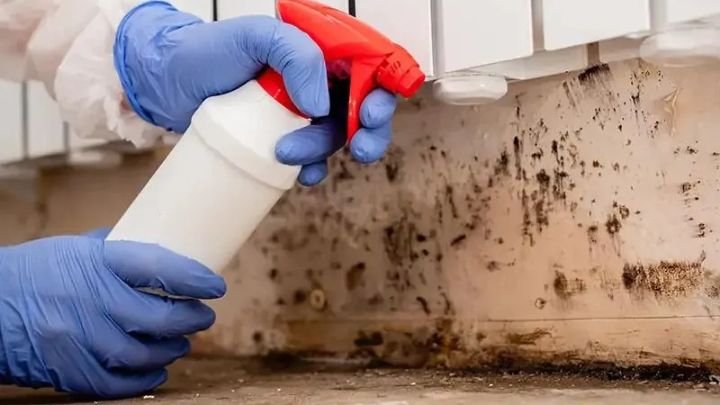
4. Real Dubai Results – Before & After Wall Painting
Seeing is believing! Many Dubai homes struggle with mold and moisture-damaged walls, but professional painting solutions deliver lasting results. Here’s a snapshot of real-life transformations:
| Problem | Solution | Result |
| Mold patches in living room | Anti-mold primer + moisture-resistant paint | Walls remained mold-free for 3+ years |
| Damp kitchen walls | Professional wall treatment + eco-friendly paint | No recurring discoloration; safe for family |
| Peeling paint in office | Surface repair + specialized coating | Smooth, durable walls; improved aesthetics |
5. Benefits of Professional Mold & Moisture-Proof Painting
Choosing expert painting services in Dubai offers numerous benefits:
- Long-Lasting Wall Protection: Reduces peeling, blistering, and water damage
Healthier Indoor Environment: Prevents mold-related allergies and respiratory issues - Enhanced Property Value: Well-maintained walls increase home aesthetics and resale value
- Time & Cost Efficiency: Prevents frequent repairs, saving money in the long run
- Peace of Mind: Professionals handle inspections, surface preparation, and painting safely
Conclusion
Mold and moisture on walls are more than just a cosmetic issue; they can affect your family’s health and your property’s value. Professional painting solutions in Dubai, including anti-mold primers and moisture-resistant paints, provide long-lasting protection against these problems. By hiring certified painting experts, you ensure your walls stay healthy, aesthetically pleasing, and durable. Protect your home today and enjoy a mold-free, safe living environment.