
Stink bugs are small but troublesome insects that can become a serious nuisance in homes and gardens. While they do not typically pose a direct threat to humans, their presence can cause frustration, damage plants, and invade indoor spaces in large numbers. Understanding the risks associated with stink bugs, their invasive behavior, and their flying abilities is essential for homeowners looking to protect their property and maintain a pest-free environment. In this guide, we’ll explore everything you need to know about these pests and share practical tips for prevention and control.
1. What Are Stink Bugs?
Stink bugs are shield-shaped insects known for releasing a strong, unpleasant odor when threatened. They are found in homes, gardens, and agricultural areas, and while they are more of a nuisance than a direct threat, their presence can be alarming. Here’s a closer look at their characteristics and behavior.
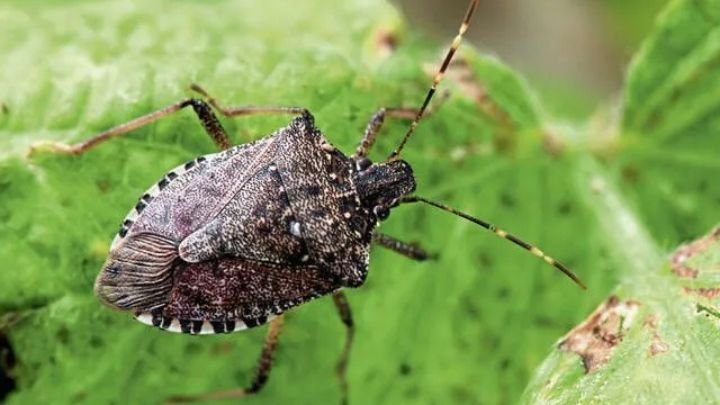
Physical Appearance: Stink bugs typically have a shield-like body shape, measuring about 1–2 cm in length. They come in a range of colors, from brown and green to more vibrant patterns, depending on the species. Their distinct shape and coloration make them relatively easy to identify in homes and gardens.
Behavior and Habits: These insects are mostly active during the warmer months and tend to seek shelter indoors as temperatures drop. They feed on plants, fruits, and crops, often leaving behind small puncture marks that can damage the produce. Stink bugs are slow-moving but can become bothersome in large numbers.
Common Species Found in Homes: The most commonly encountered species indoors is the brown marmorated stink bug. Other species may also invade homes in certain regions. Understanding which species you are dealing with can help determine the best methods for control and prevention.
2. Are Stink Bugs Dangerous?
Stink bugs are generally not dangerous to humans or pets, as they do not bite, sting, or carry diseases. However, they can still pose problems in several ways. Their most noticeable defense mechanism is the strong, unpleasant odor they release when threatened or crushed. This smell can linger on surfaces, clothing, or furniture, making them a nuisance indoors.
- Emit a foul smell that lingers on fabrics and furniture
- Contaminate fruits and vegetables if they invade kitchens
- Trigger allergies in sensitive individuals
- Cause property aesthetic issues if large numbers accumulate
3. Can Stink Bugs Fly?
Stink bugs are capable of flight, which allows them to move from gardens to homes and other areas in search of food, shelter, or mates. While they are not the fastest fliers, their ability to fly makes it easier for them to spread and potentially infest multiple areas. Understanding how stink bugs fly, their anatomy, and seasonal patterns can help homeowners take preventive measures and reduce the risk of infestations.
Stink Bug Anatomy and Flight Mechanics
Stink bugs have two pairs of wings that work together to enable flight. The forewings are hardened and protect the delicate hind wings, which are used for flying. When preparing to take off, stink bugs lift their forewings to allow the hind wings to move freely, providing lift and maneuverability. Despite their seemingly bulky body, stink bugs can fly relatively efficiently over short distances, allowing them to escape threats or locate food sources. Their flight is typically slow and deliberate, which makes them easier to spot and manage indoors.
How Far and Fast Can They Travel?
Although stink bugs are not long-distance travelers like some insects, they can cover moderate distances while searching for food or shelter. Their flight is usually limited to a few meters at a time, but repeated short flights can lead to a significant spread over weeks or months. Seasonal migration also contributes to their movement, especially when they seek warmer areas during cooler months. Understanding their typical flight range can help homeowners identify potential entry points and focus on areas that require sealing or preventive measures.
Seasonal Flight Patterns and Behavior
Stink bugs are most active during late summer and early fall, which is when they begin to enter homes in search of warmth. During these months, their flight activity increases, often leading to noticeable indoor invasions. Recognizing this seasonal behavior is important for timely intervention. Homeowners can prepare by inspecting doors, windows, and other openings, using screens or sealing cracks, and implementing natural repellents before the bugs become a major nuisance. Awareness of these patterns ensures effective prevention and minimizes the risk of infestations.
4. How to Remove Stink Bugs Safely
Removing stink bugs from your home or garden requires care, as squashing them can release their unpleasant odor. Using safe and effective methods ensures you protect your living space without causing additional nuisance or harm to yourself. Here are some practical ways to get rid of them:
| Method | How It Works | Safety Tips |
| Vacuuming | Use a vacuum to suck up bugs indoors | Empty vacuum bag immediately to avoid odor |
| Soap & Water Spray | Mix mild soap with water and spray directly | Avoid contact with skin and eyes |
| Seal Entry Points | Close gaps around doors, windows, and vents | Inspect regularly for new openings |
| Sticky Traps | Place traps near windows or light sources | Replace traps when full; keep away from pets |
| Professional Pest Control | Experts remove infestations safely | Choose licensed services with eco-friendly options |
5. How to Prevent Stink Bug Infestations
Preventing stink bugs from entering your home is easier than dealing with an infestation. By taking a few simple precautions, you can keep your space pest-free and avoid the unpleasant odor they release.
- Seal Entry Points: Close gaps around doors, windows, vents, and cracks in walls.
- Repair Screens: Fix or replace torn window and door screens.
- Reduce Outdoor Lighting: Stink bugs are attracted to lights at night; use yellow bulbs when possible.
- Remove Food Sources: Keep fruits, vegetables, and plants protected.
- Keep the House Dry: Reduce moisture in and around the home, as stink bugs seek humid areas.
- Use Natural Repellents: Essential oils like neem or garlic can deter stink bugs.
Conclusion
Stink bugs may seem harmless at first, but their invasive nature and unpleasant odor make them a nuisance in homes and gardens. Understanding their behavior, flying patterns, and potential risks is essential for effective prevention and control. By sealing entry points, using safe removal methods, and following simple prevention tips, you can protect your home from infestations and maintain a comfortable, pest-free environment. Acting early is the key to keeping stink bugs at bay and ensuring your space remains safe and enjoyable.